




Hear a route
50,000 stories are waiting to be told. Press play on one.
Routes
On the map
Every pin is a route, and every route is full of stories.
 Route Stories
50,000 stories are waiting to be told. Press play on one.
Every pin is a route, and every route is full of stories.
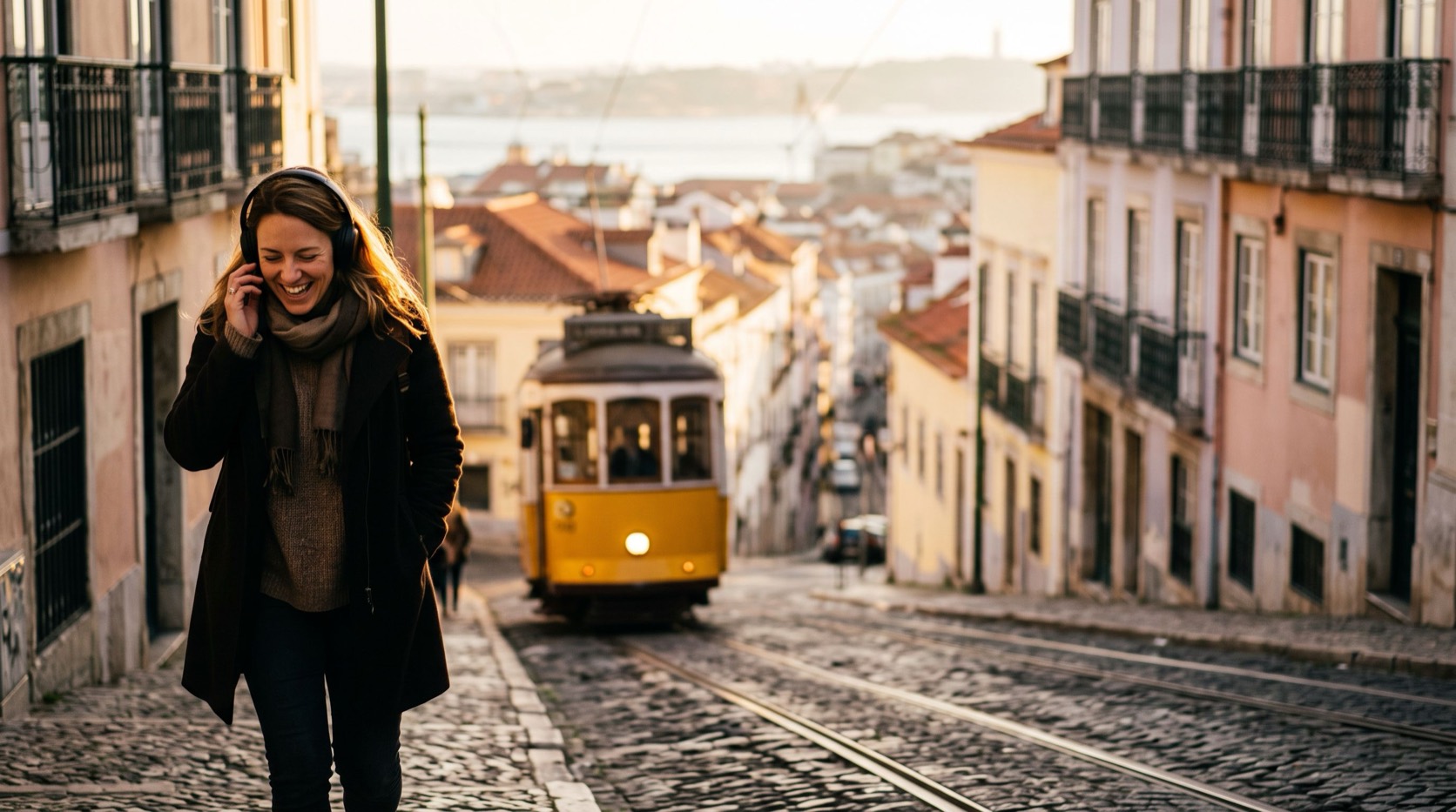
A place only feels foreign until you hear its stories in your own language.




 90 languages
No city by that name yet.
50,000 stories are waiting to be told in these cities. Put your headphones in and the streets start talking: the people who built them and what happened here, told as you walk past. Start whenever you like and go at your own pace.
Christmas markets, lights and festive food: a Christmas walk in 102 cities.
28 cities
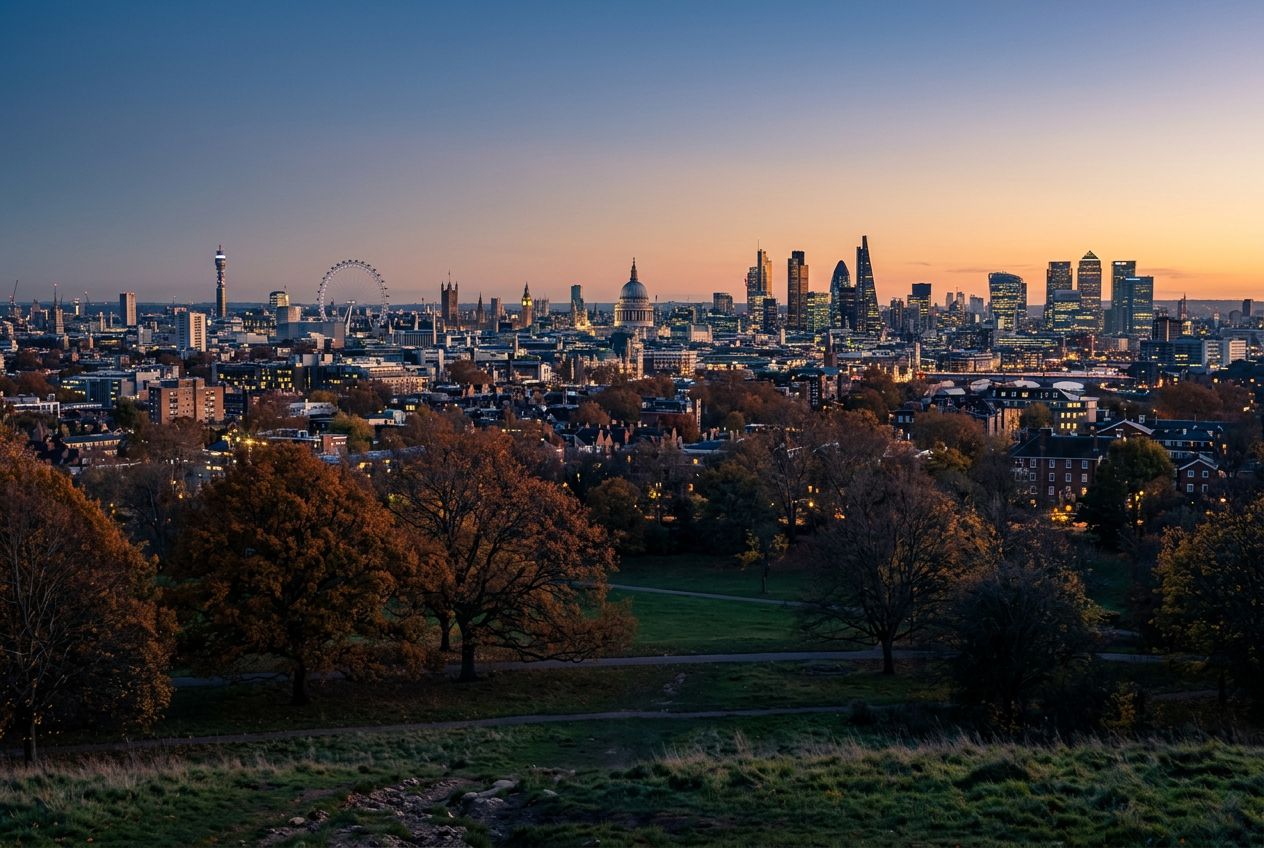
London's quieter side reveals itself through hidden courtyards, old alleyways and foot-only lanes. Seven Dials, Neal's Yard and Cecil Court offer street art, antique bookshops and Victorian charm, while Temple Church and Lincoln's Inn Fields add centuries of history. Walking, running or cycling through these streets gives a fresh view of a city often seen from busy main roads.
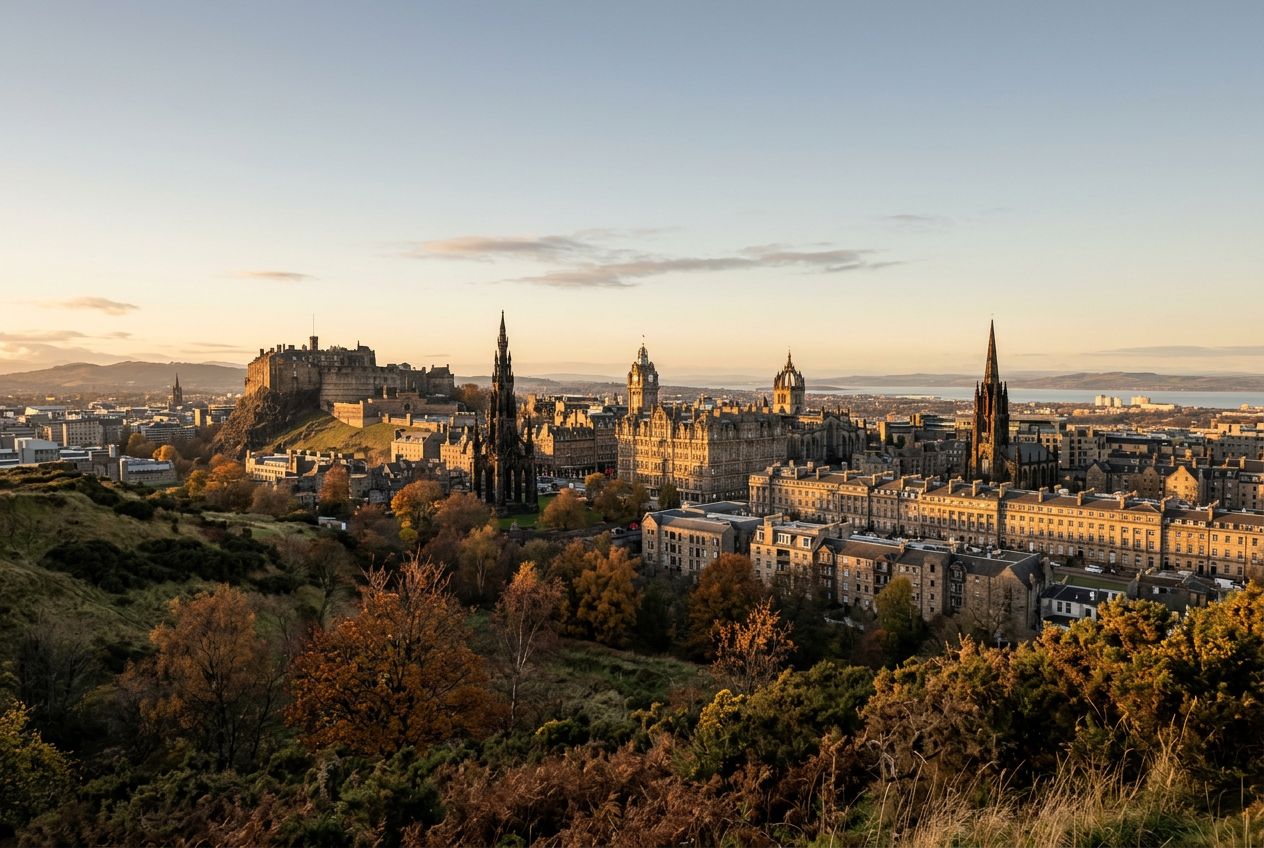
Edinburgh's character is shaped by its steep closes, old stone and the castle that looks over the Old Town. Its best-known places include St Giles' Cathedral, the Royal Mile, the Grassmarket and Greyfriars Kirkyard. Walking the winding Victoria Street and the atmospheric closes is a good way to take in the city's layered history and its street art.
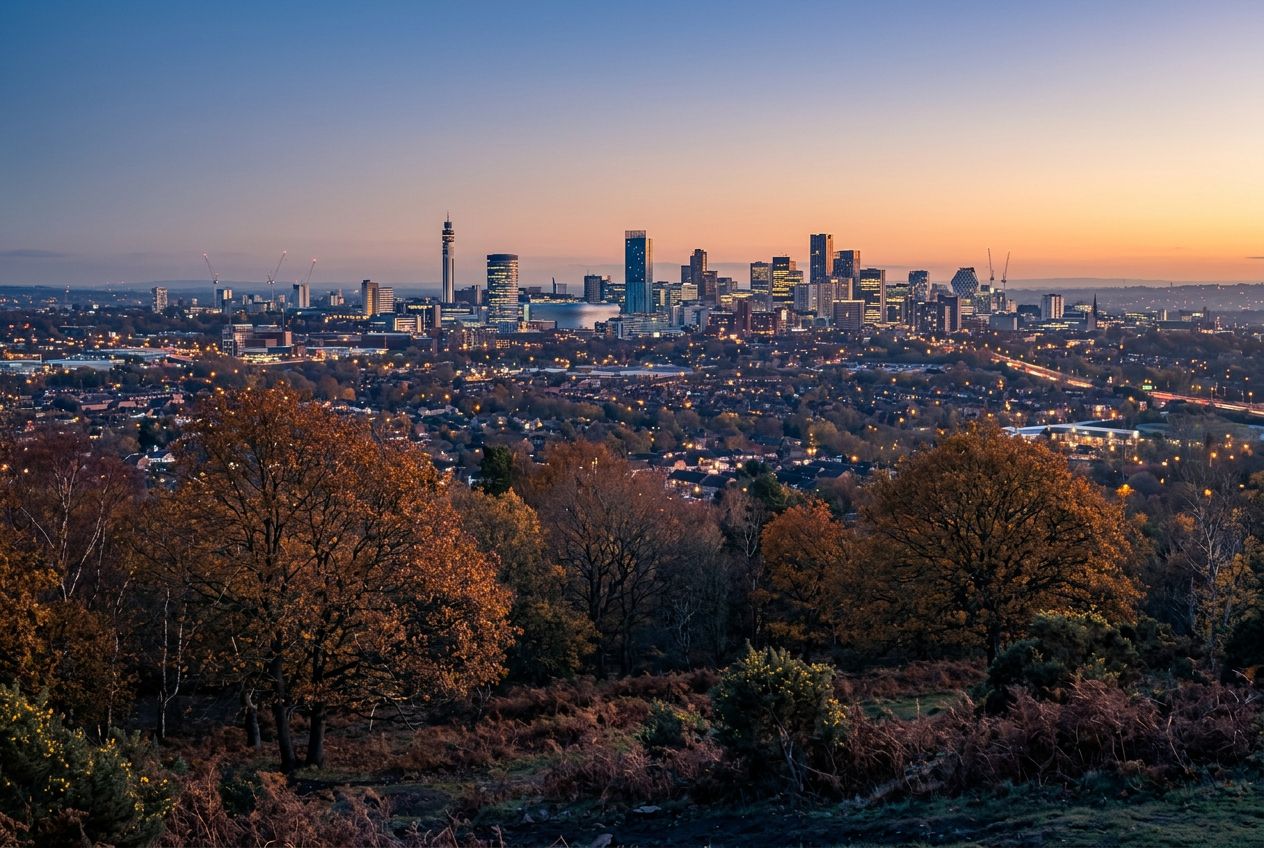
Birmingham's canals, civic squares and Jewellery Quarter give the city its shape, with the Library of Birmingham and Centenary Square among its modern landmarks. Old churches, Georgian St Paul's Square and Warstone Lane Cemetery add a sense of its history. Canal towpaths and traffic-free paths make it easy to explore on foot or by bike.
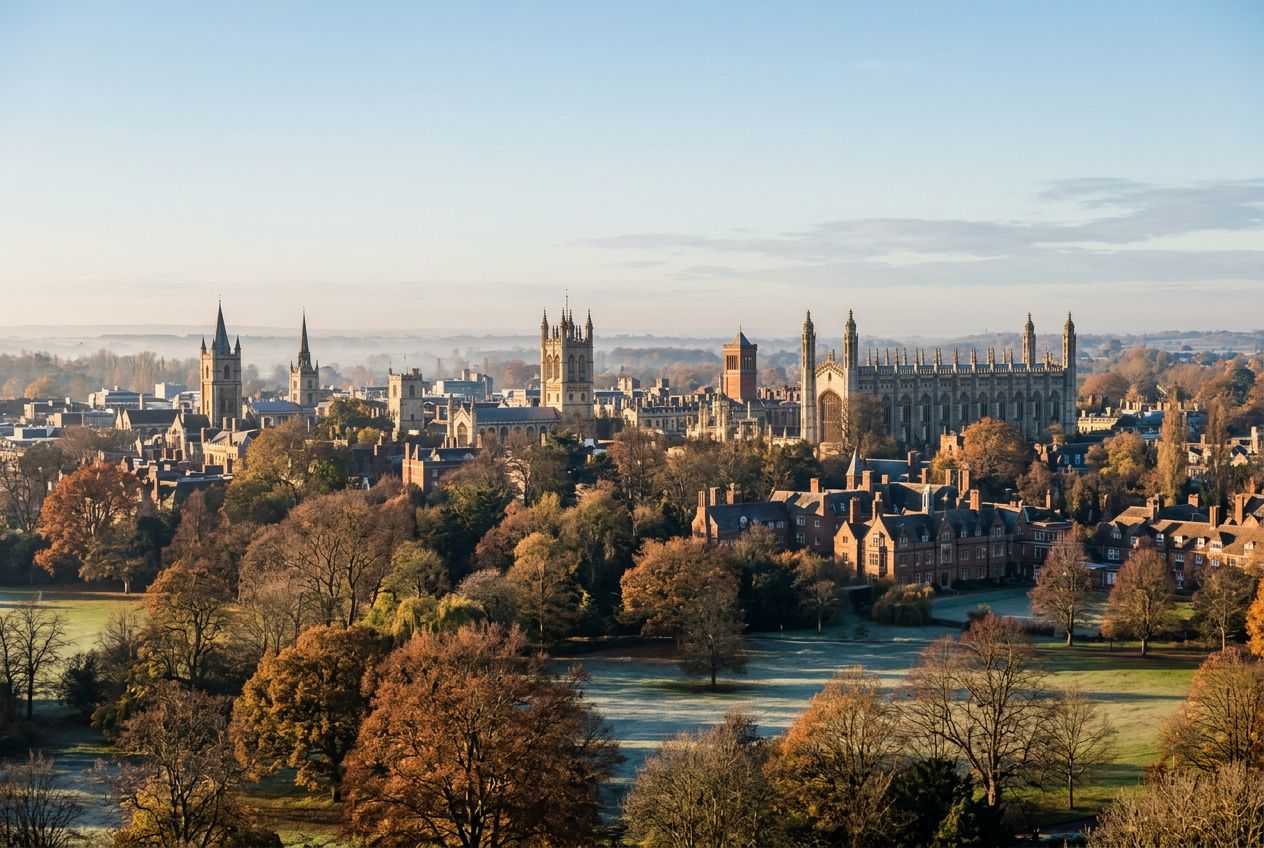
Cambridge is shaped by its university, whose colleges line narrow lanes, old courts and the River Cam. Its best-known sights include King's College Chapel, the Mathematical Bridge and the Backs along the river. On foot, quiet ginnels and cobbled lanes reveal hidden corners, and the riverside paths also suit a cycle or a run.
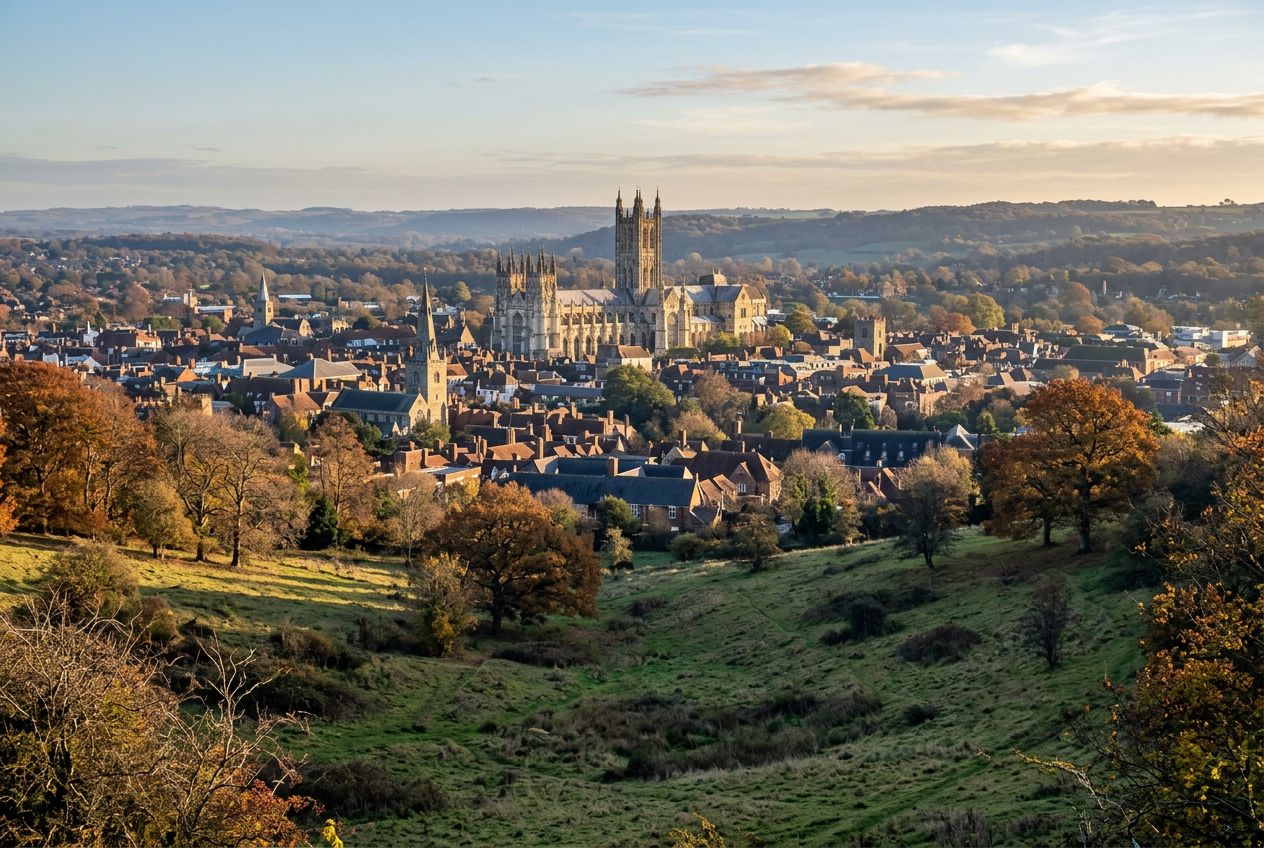
Canterbury's character comes from its medieval core, where Roman, Saxon and medieval history meet along narrow lanes. Its best-known sights include Christ Church Gate, the cathedral precincts, St Augustine's Abbey ruins and the Westgate Towers. Walking through the old streets and past Dane John Gardens, with its Roman burial mound, shows the city's long story at an easy pace.
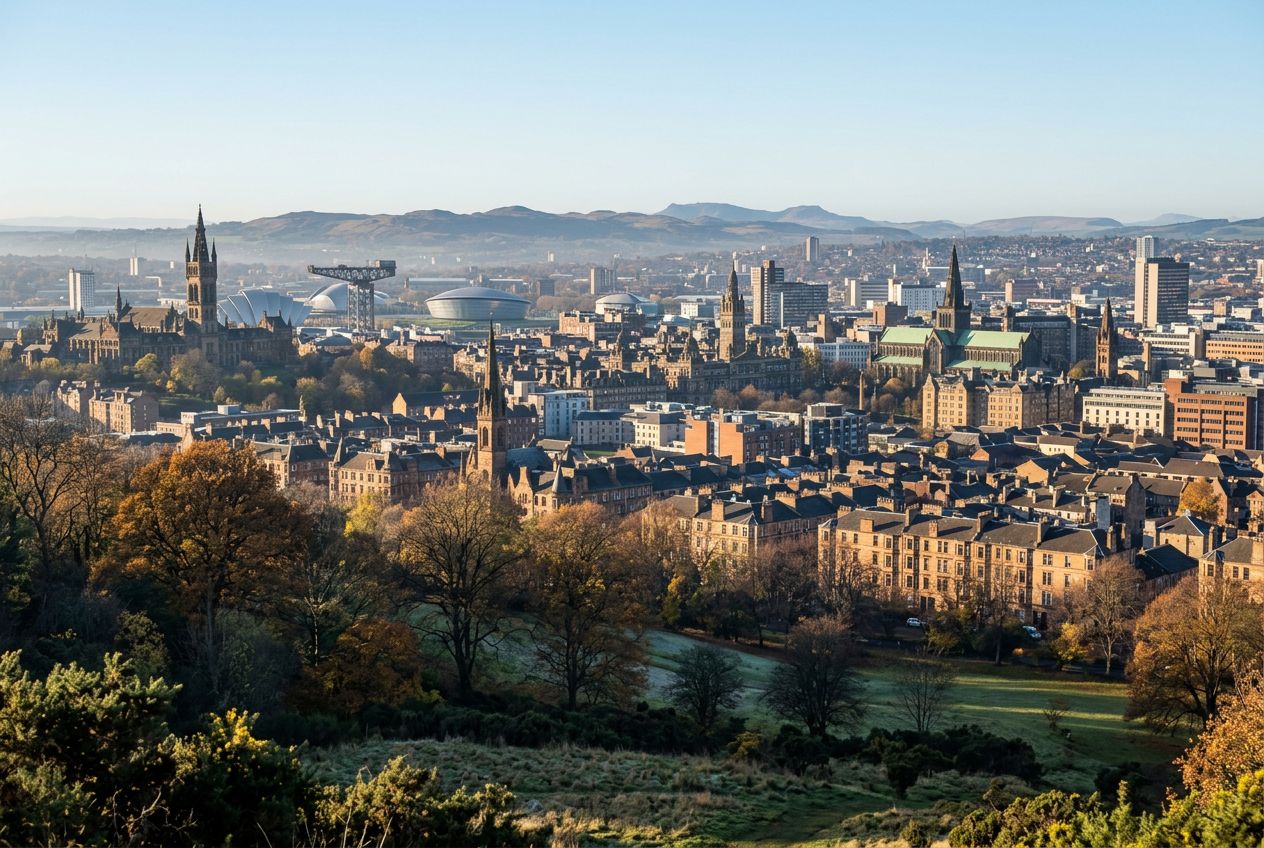
Glasgow's character comes from its Victorian architecture, lively Merchant City lanes and a sense of quirky humour. Its best-known places include George Square, Glasgow Cathedral, the Necropolis and the Gallery of Modern Art. Murals in hidden alleys and the pedestrian lanes of the Merchant City make walking through the centre rewarding, and its streets suit a run or ride too.
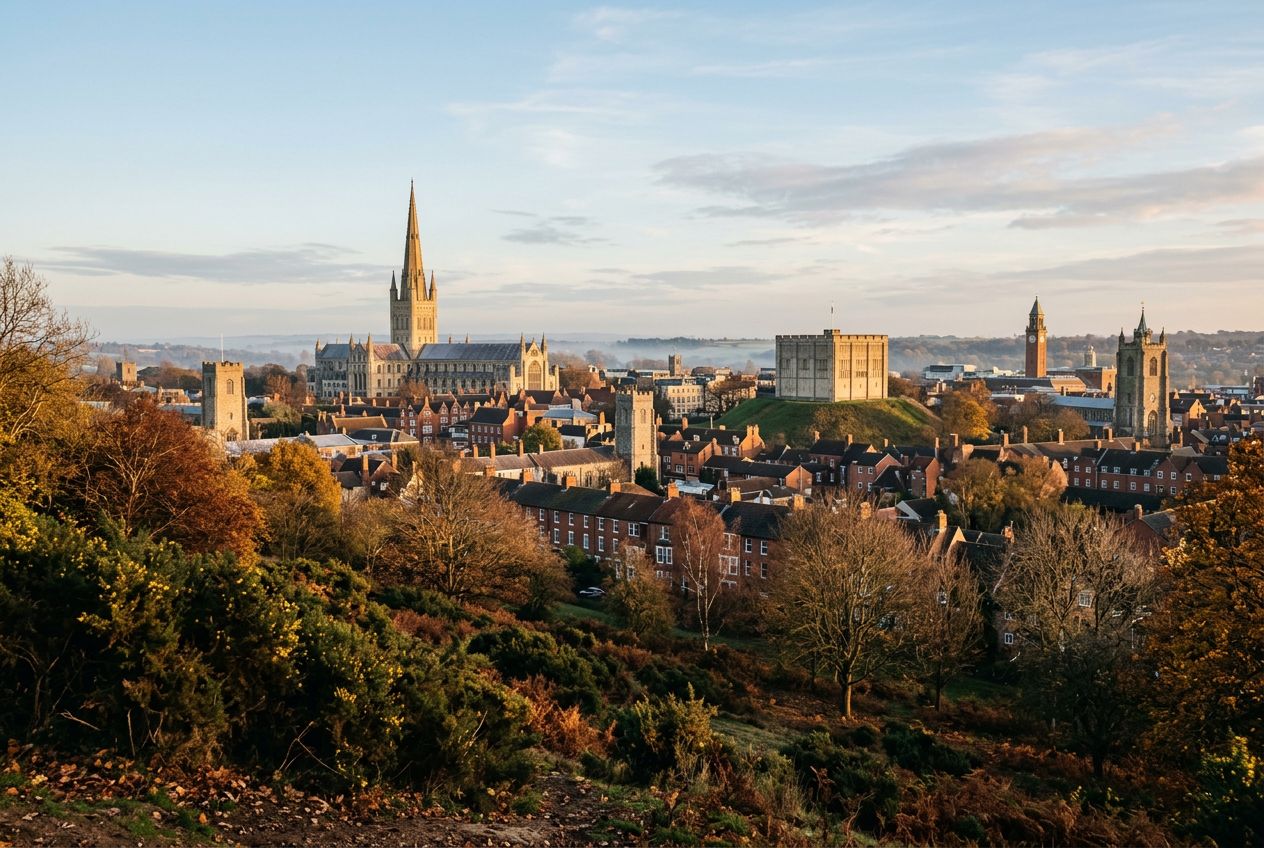
Norwich's old centre is a web of lanes, with the Norwich Lanes, Elm Hill and the Cathedral Close linked by quiet alleys. Street murals and independent shops turn up around the market, while the Guildhall and St Peter Mancroft Church reflect the city's medieval past. Walkers can follow the River Wensum to Pull's Ferry and Cow Tower, and the city's paths also suit a bike ride or a run.
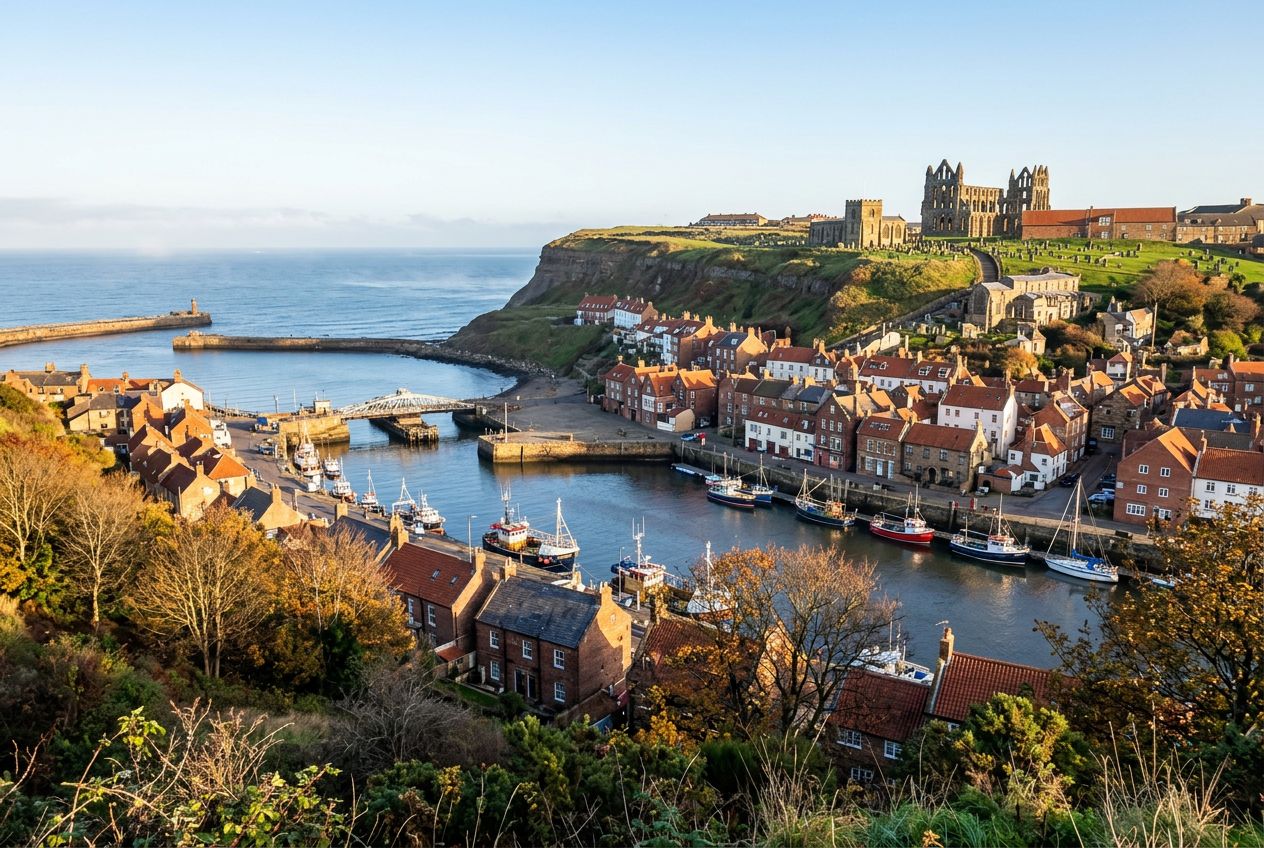
Whitby rises from its harbour, where the swing bridge links the old town with West Cliff. The 199 Steps climb to the ruins of Whitby Abbey and St Mary's Church, and the winding lanes of Henrietta Street and Grape Lane are lined with fishermen's cottages. Walking here brings sea views and stories of seafaring and Bram Stoker's Dracula at every turn.
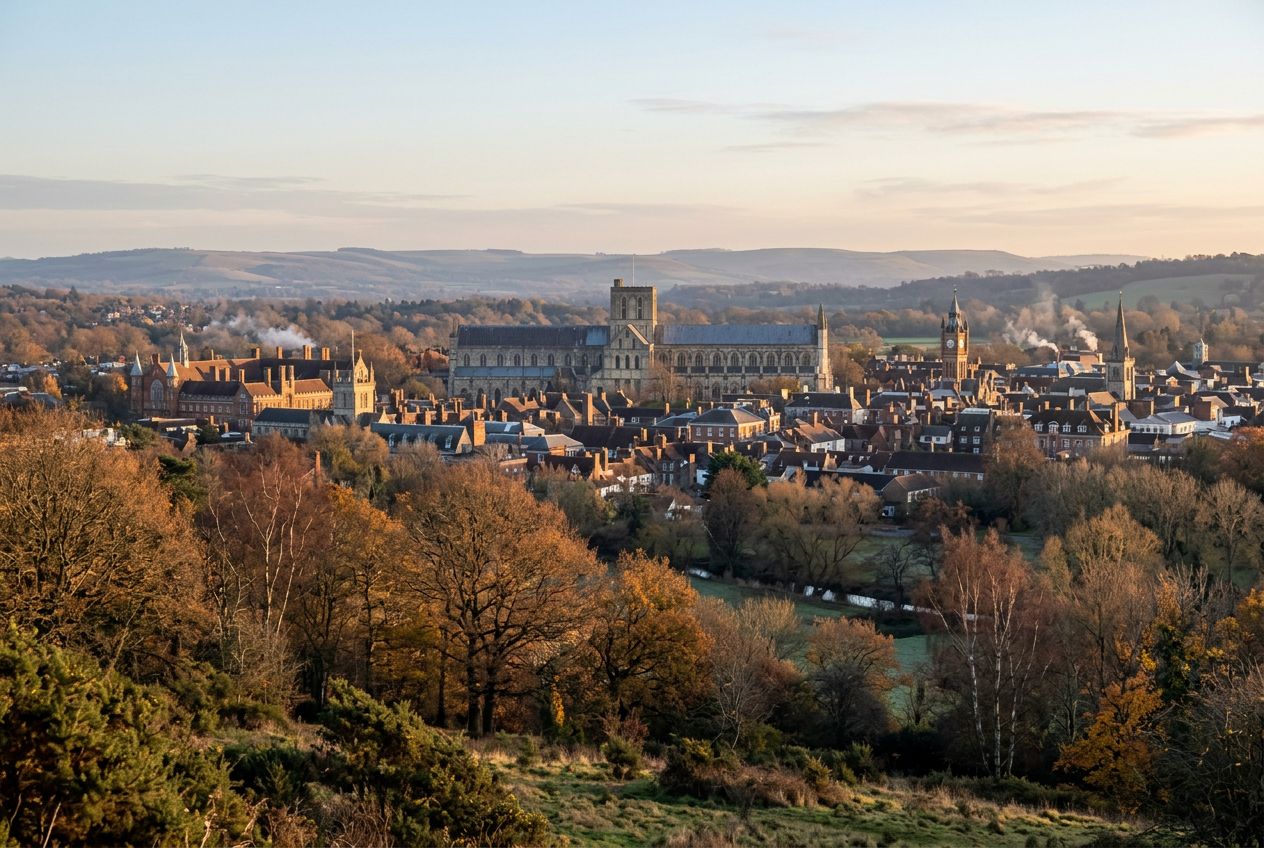
Winchester's cathedral, Great Hall and Wolvesey Castle ruins speak to its years as a royal and episcopal centre. The Buttercross and City Mill sit along old streets and the River Itchen path, where the walk is calm and car-free. Medieval closes, Winchester College and pub lanes around the Cathedral make it a place to explore slowly on foot, by bike or on a run.
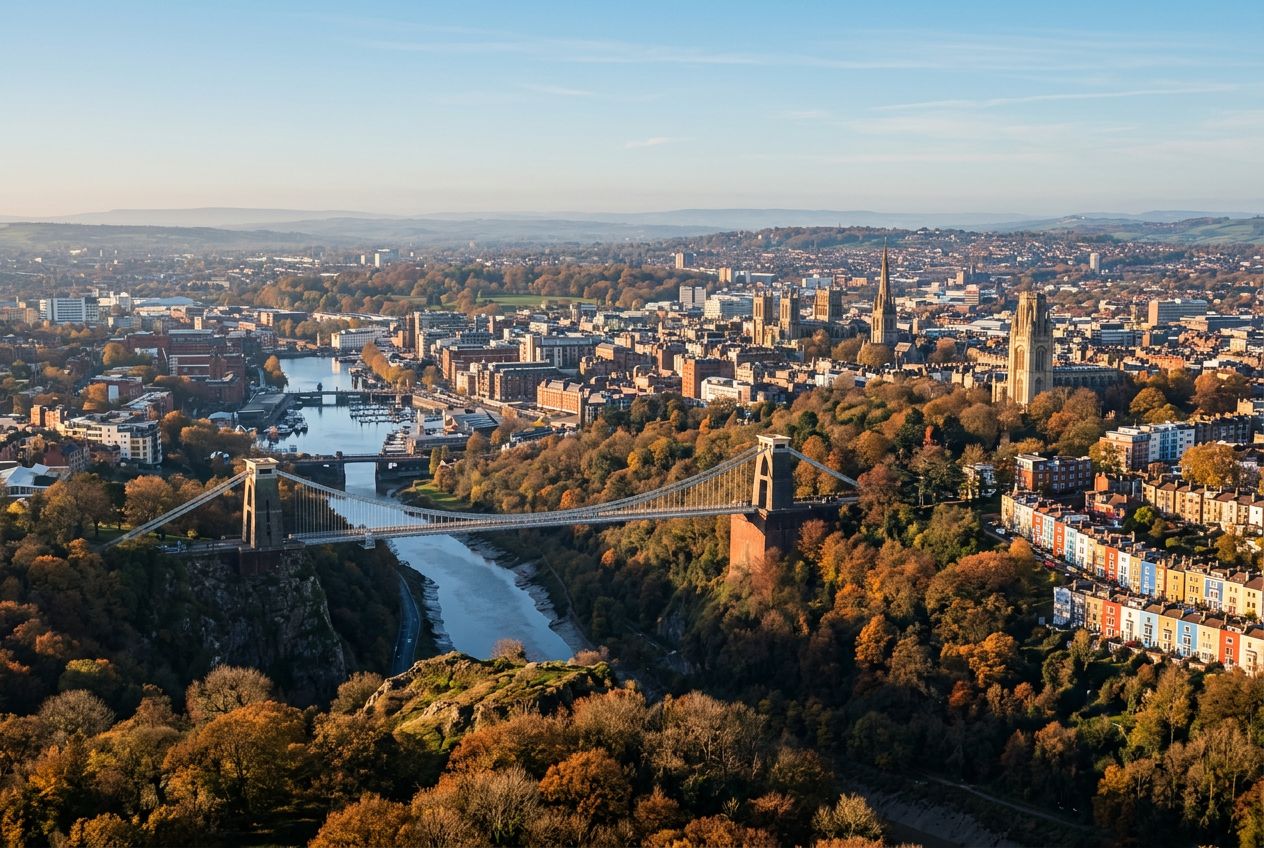
Bristol's harbourside, Queen Square and St Nicholas Market give the city a strong sense of its maritime past. Bristol Cathedral, Christmas Steps and St John on the Wall, built into the medieval city wall, add layers of history. The city suits walking well, with pedestrian lanes and a lively pub scene on King Street.
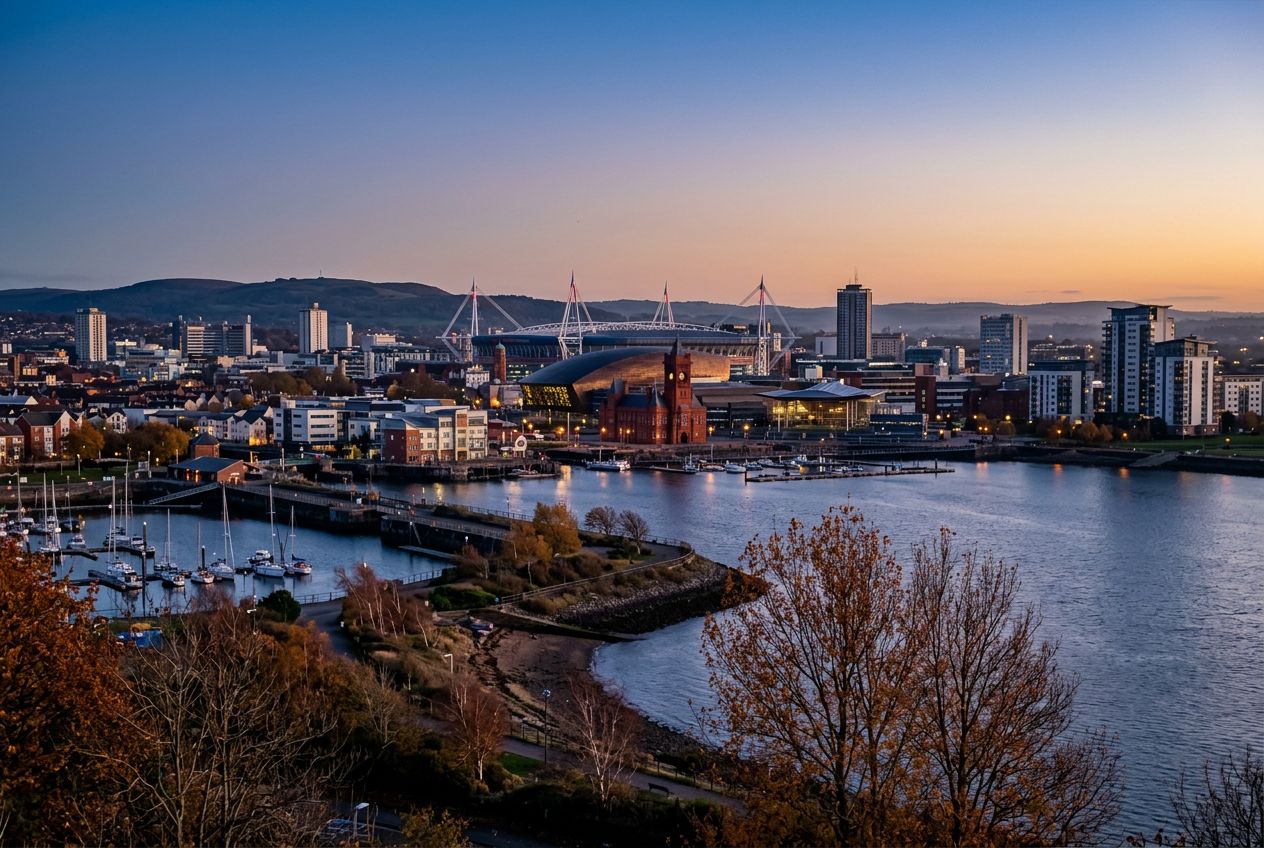
Cardiff blends Victorian arcades with street art, live music venues and a castle at its centre. Its best-known places include Cardiff Castle, the Royal Arcade and Womanby Street, which is known for its murals. On foot, the arcades and the green expanse of Bute Park make it easy to move between old and new, and the city suits a run or ride too.
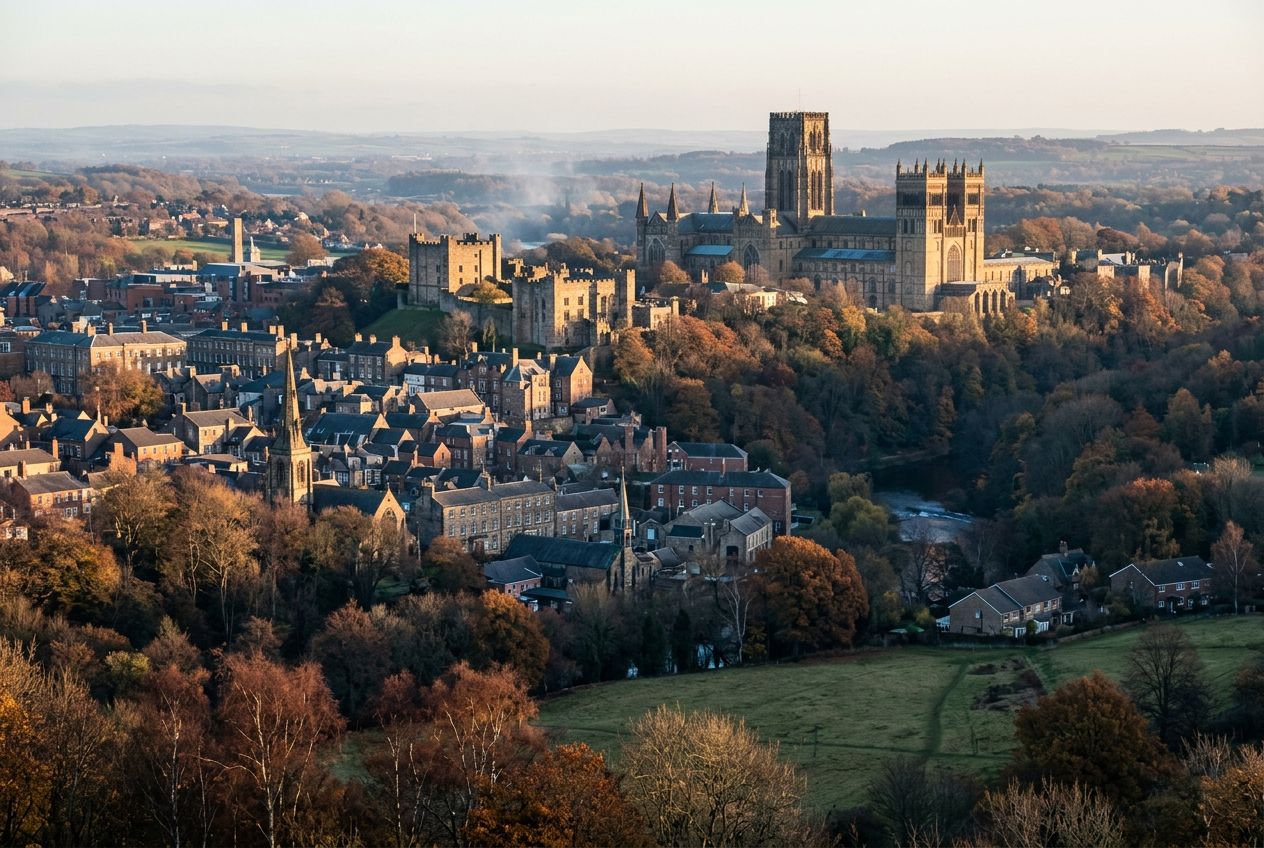
Durham's character comes from its cathedral and castle, both standing above the River Wear. Its best-known sights include Durham Cathedral, Palace Green, Prebends Bridge and Elvet Bridge, a medieval crossing. Narrow lanes such as Owengate and South Bailey, along with the riverside path, make a walk here feel like stepping through centuries.
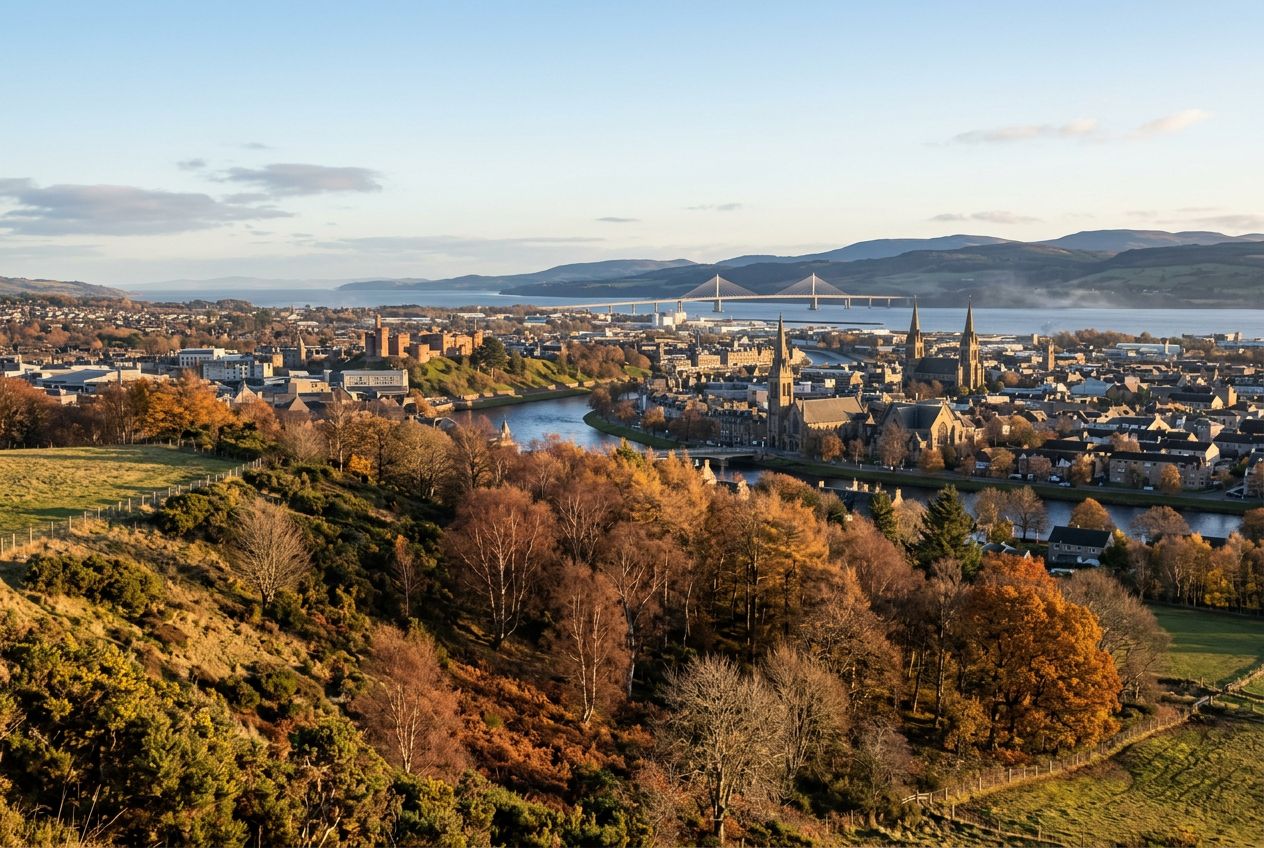
Set along the River Ness, Inverness offers footbridges, green islands and a compact centre to explore slowly. Its history shows in the Castle Esplanade, the Old High Church and the Victorian Market, while street murals and quiet galleries reward a wander through its lesser-known lanes. Walkers can cross Greig Street Bridge, and runners or cyclists can follow the River Ness Walkway.
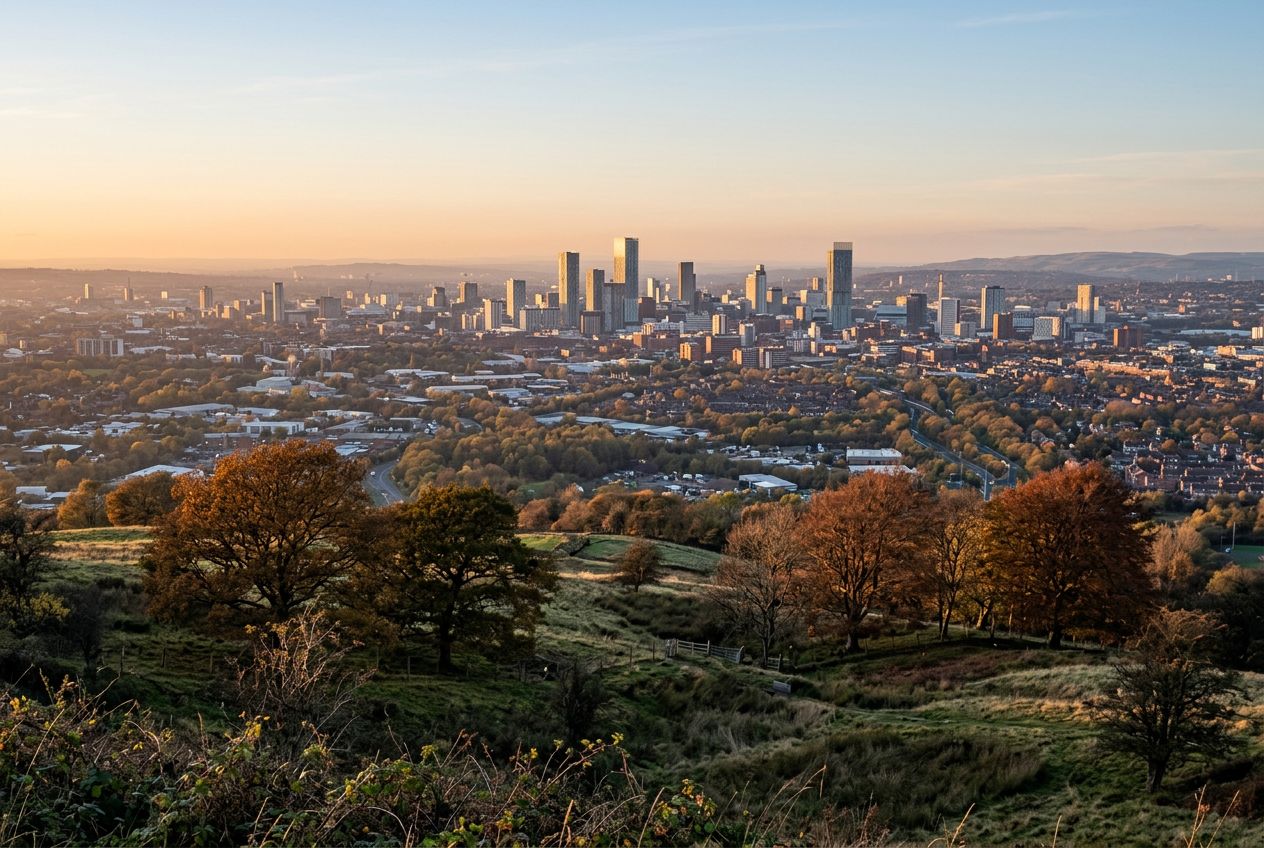
Manchester combines Victorian grandeur with independent shops and street art. Albert Square, Manchester Cathedral and the Northern Quarter's murals and boutiques show both its history and its creativity. Its Victorian arcades, canal-side Ancoats and Piccadilly Basin make a varied walk, with lively bars tucked into backstreets.
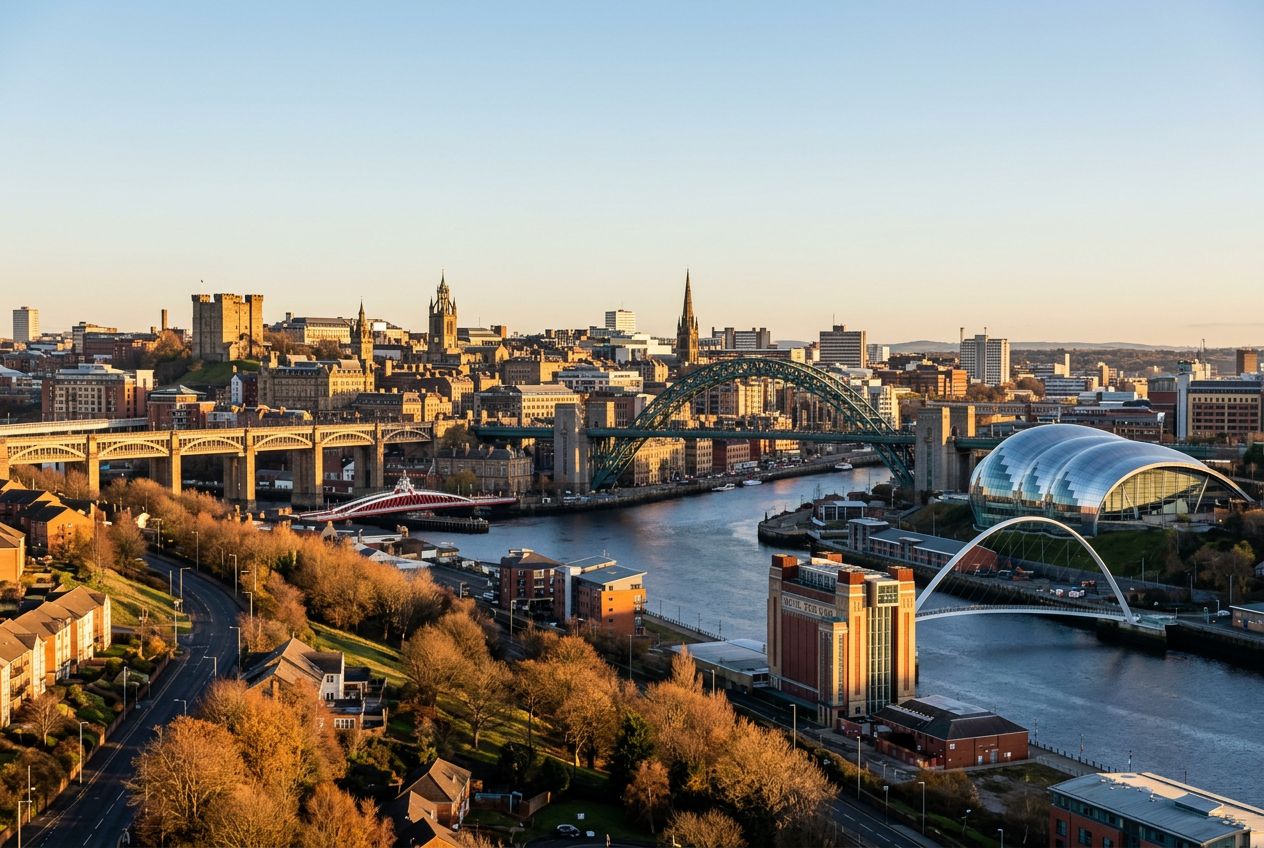
Newcastle upon Tyne links its castle and cathedral with the riverside Quayside, where the Tyne Bridge and Millennium Bridge come into view. Narrow passages such as Amen Corner and High Bridge Street connect medieval sites like the Black Gate and Blackfriars Friary. Grey's Monument, Grainger Market and the Central Arcade add Victorian grandeur, and the city's paths suit a walk, a run or a bike ride.
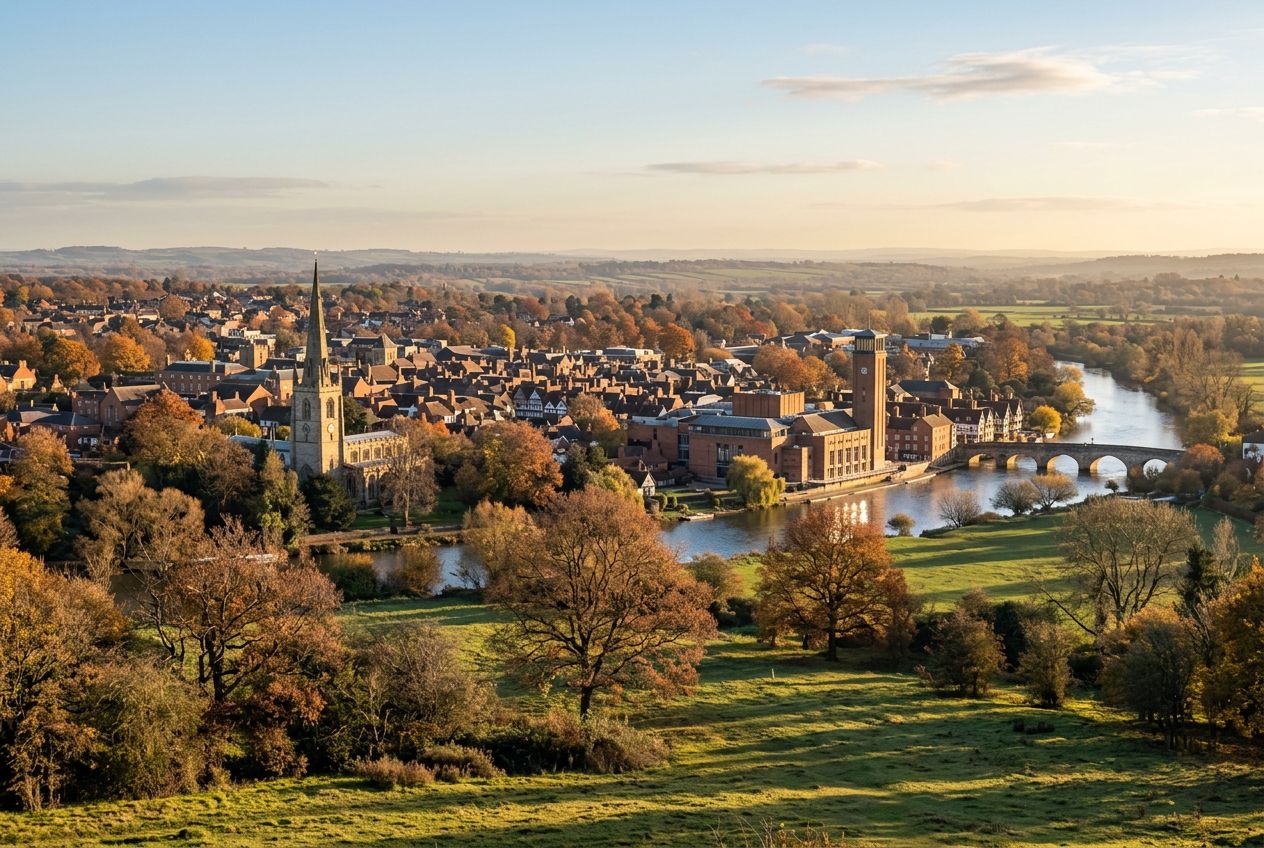
Stratford-upon-Avon is a riverside town known for Shakespeare's Birthplace, Holy Trinity Church and the half-timbered Harvard House. Its narrow alleys, small galleries and murals sit alongside the calm Bancroft Gardens and the River Avon. Walking the lanes from one landmark to the next is the easiest way to see the town, and the river paths suit a run or a bike ride.
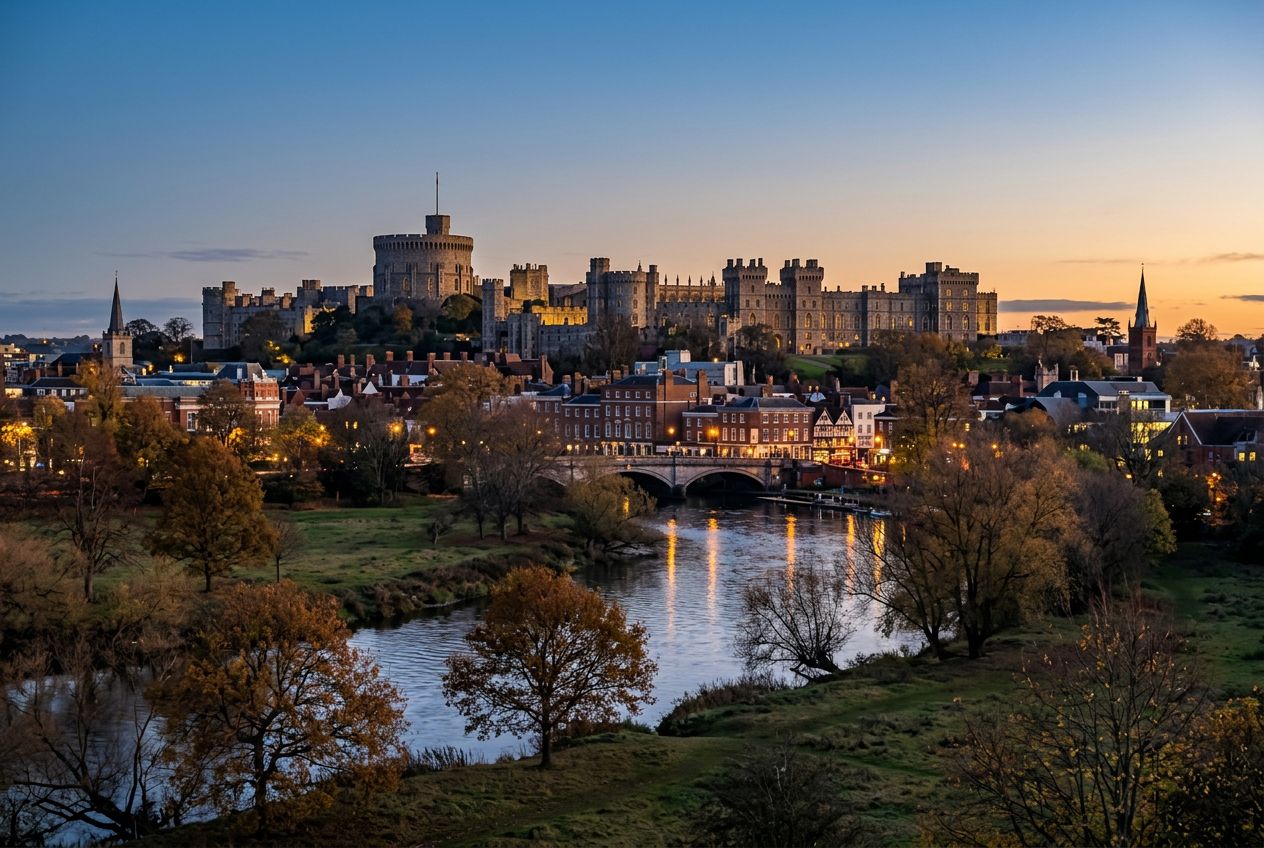
Windsor is shaped by its castle, with the Curfew Tower, Guildhall and Thames riverside all close together. Narrow alleys, colourful murals and the Victorian station's shopping hall add a more hidden side to the town. Paths beside the Thames suit a gentle walk, run or bike ride, and the Crooked House and Queen Charlotte Street add a touch of local legend.
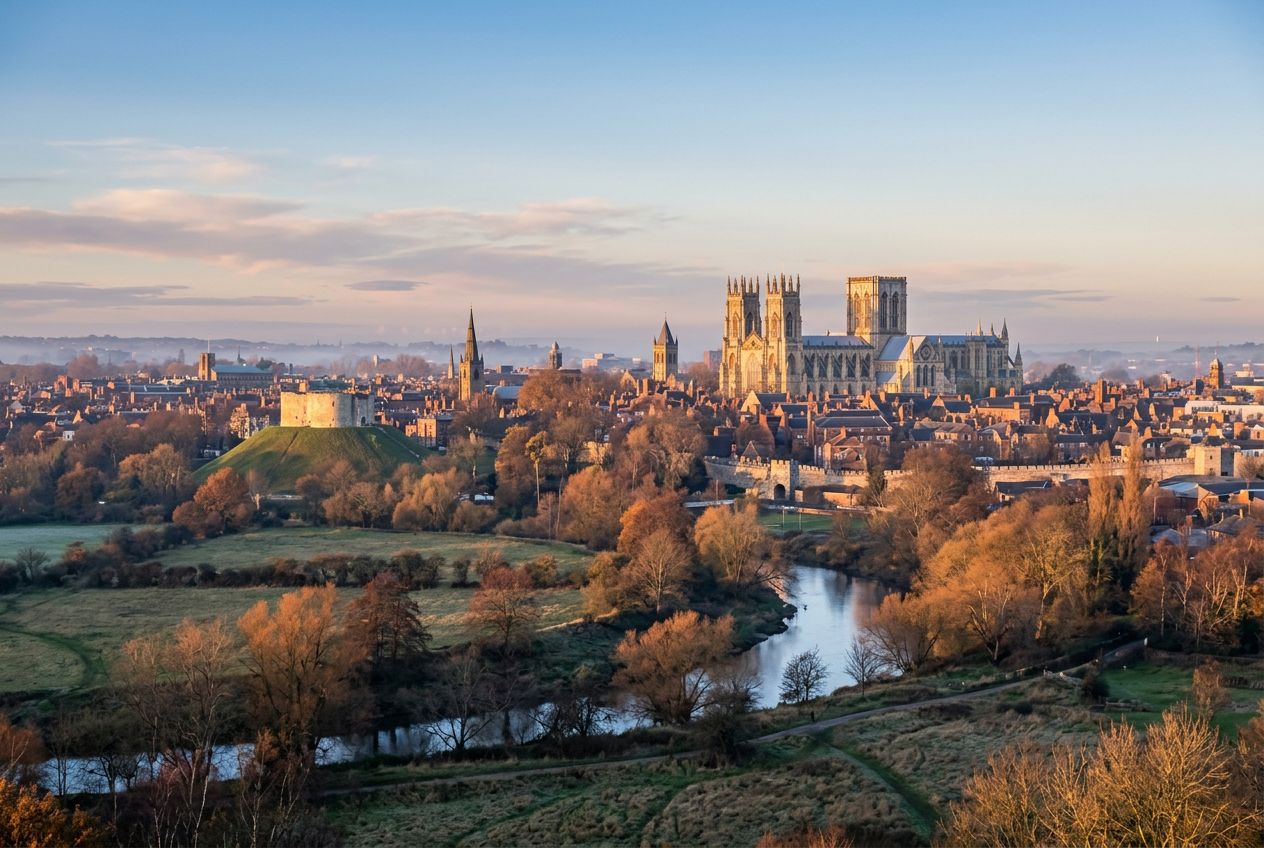
York's walls, Minster and Shambles give it a strong medieval character that is best seen on foot. Clifford's Tower and Ouse Bridge stand by the river, while Stonegate and Swinegate offer independent shops and galleries. Off the main streets, the ruins of St Mary's Abbey and quiet courtyards reward a slow walk, and the old walls suit a run.
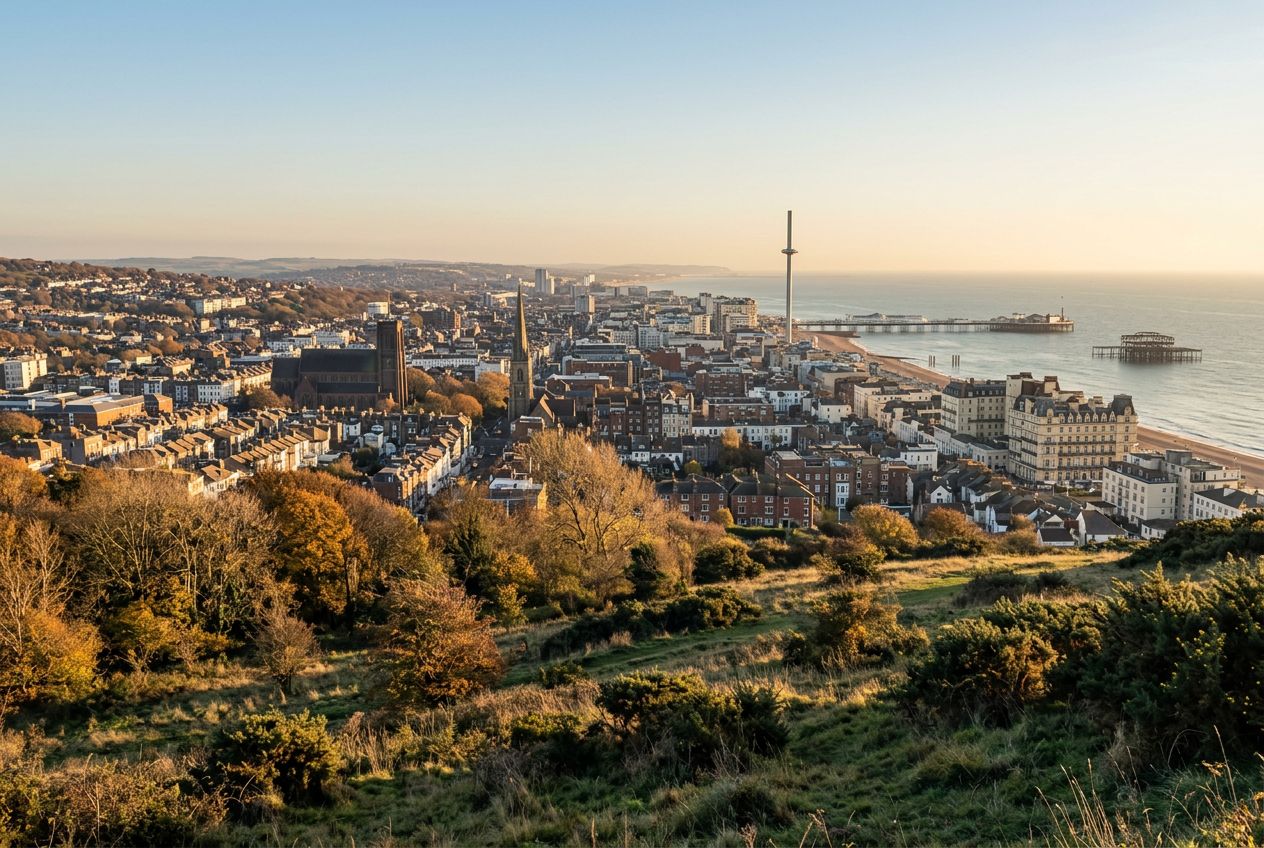
Brighton's character comes from its lanes, street art and independent shops. North Laine, The Lanes and the Royal Pavilion Gardens hold its galleries, cafés and pubs. On foot, the city rewards slow exploring, with murals on Gardner Street and quiet squares like Brighton Square tucked between the busy streets.
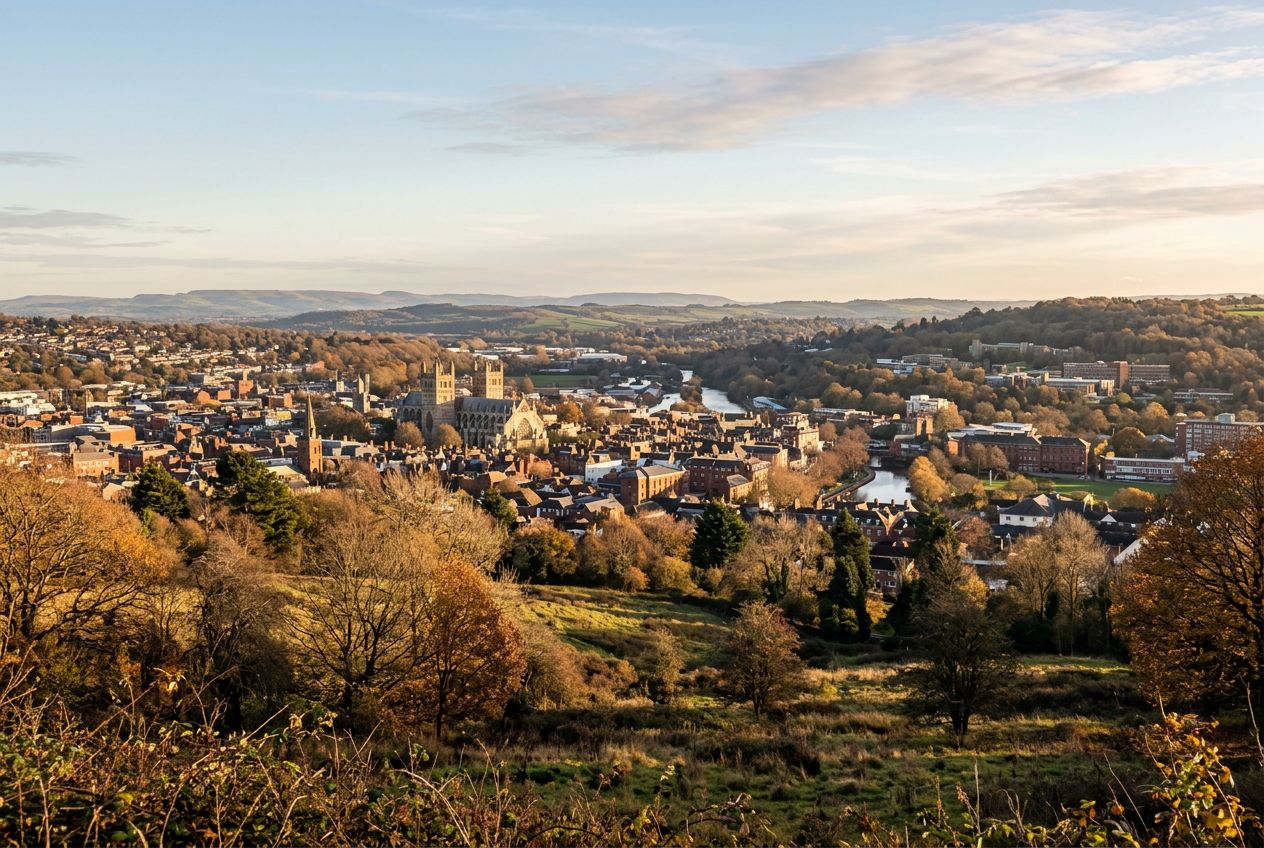
Exeter's character comes from its Gothic cathedral, Norman castle remains and Roman and medieval city walls. Its best-known places include Exeter Cathedral, Rougemont Gardens, the Guildhall and Parliament Street, which is reputed to be one of the narrowest streets in the world. Cobbled lanes and the steep Stepcote Hill make walking here a varied experience, and the Quayside suits a cycle.
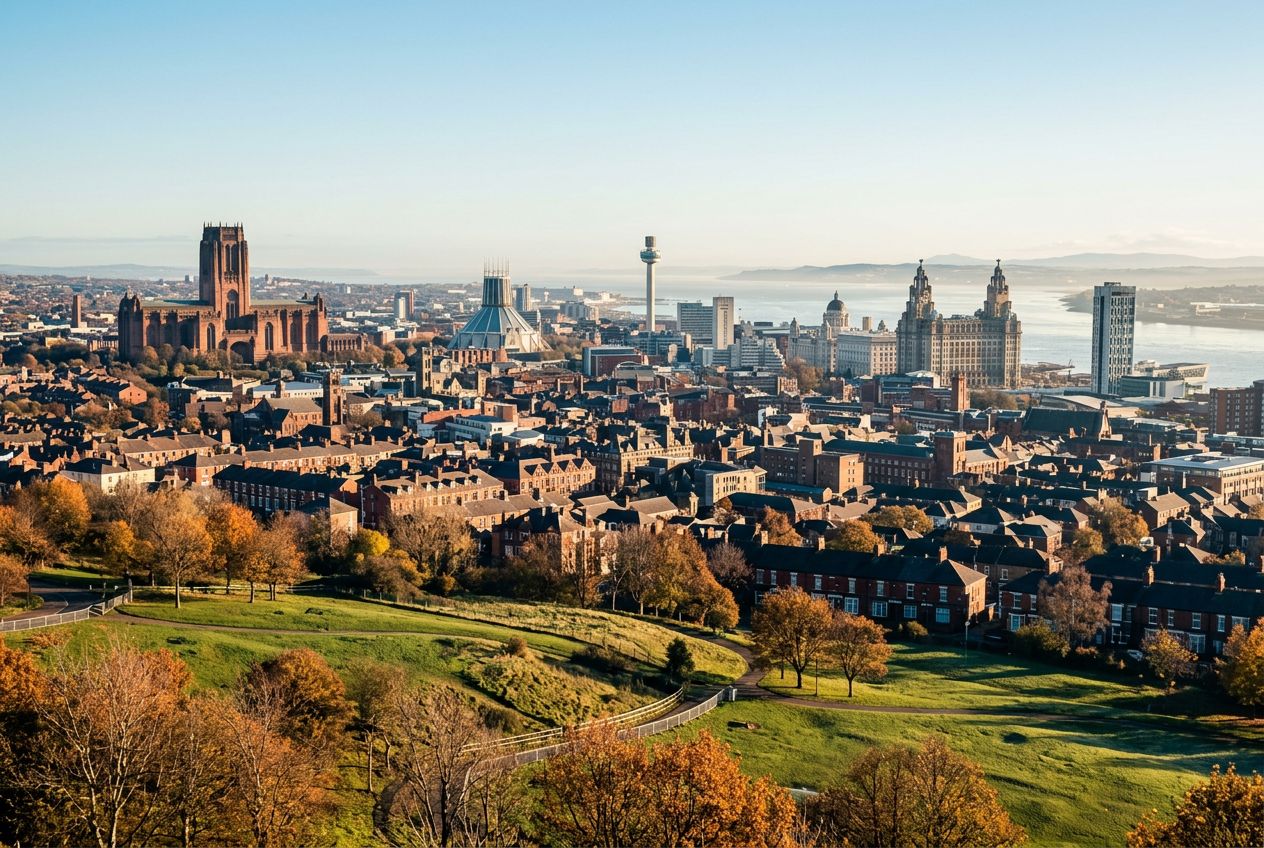
Liverpool's waterfront at Pier Head and its music heritage around Mathew Street give the city a strong sense of history. The Royal Albert Dock, Town Hall and Museum of Liverpool sit within an easy walk, and the Ropewalks area holds lively pubs and bars for an evening.
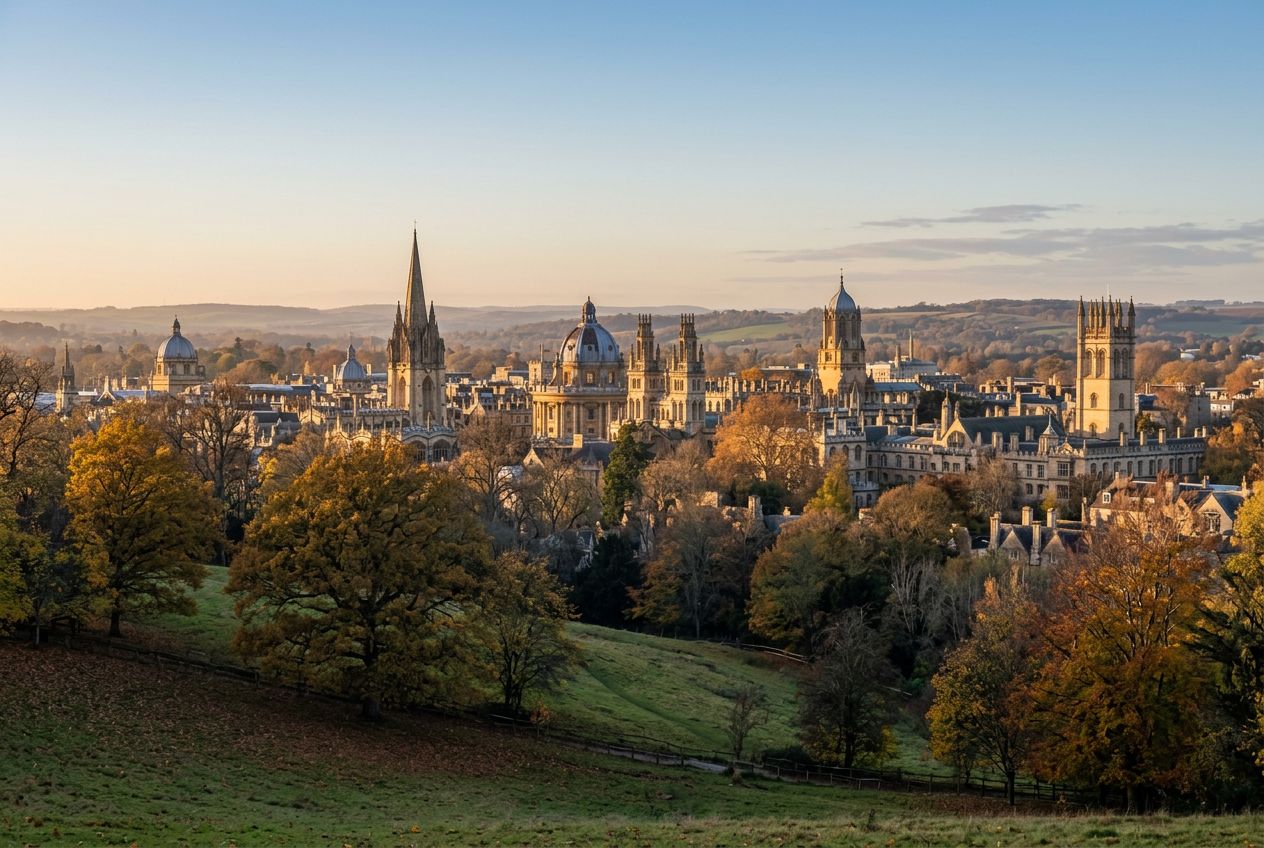
Oxford is known for its colleges, old lanes and the Radcliffe Camera, which many tours use as a starting point. Narrow passages such as Logic Lane and Turl Street run past ancient college walls, while Christ Church Meadow offers a green break. On foot the streets feel quiet and layered with history, and the city also suits runs and bike rides.
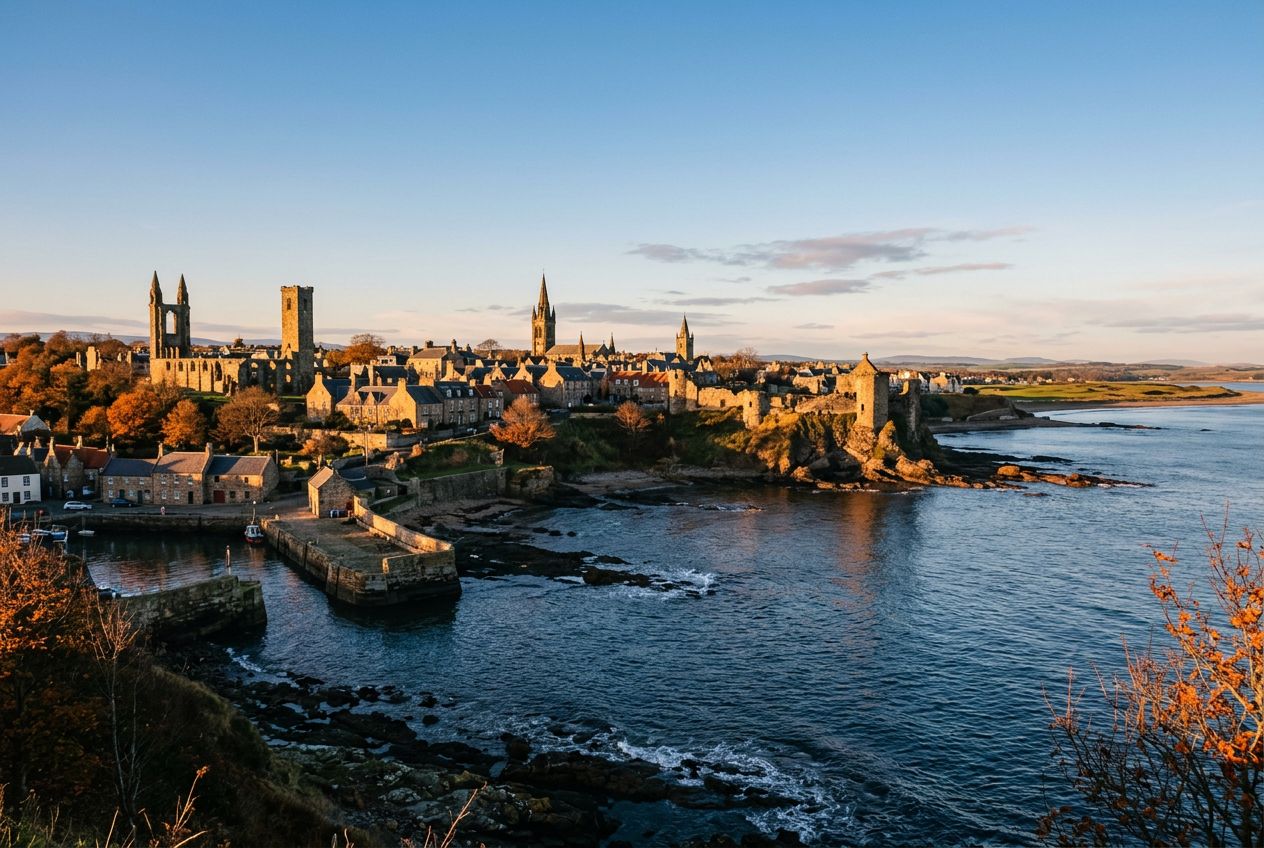
St Andrews is a university town with collegiate quadrangles, narrow closes and the ruins of its cathedral and castle on the cliff edge. Its old stones and folklore make the streets feel layered with centuries of history. Walking the town is an easy way to take in its quiet courtyards, small museums and the nearby Kinburn Park.
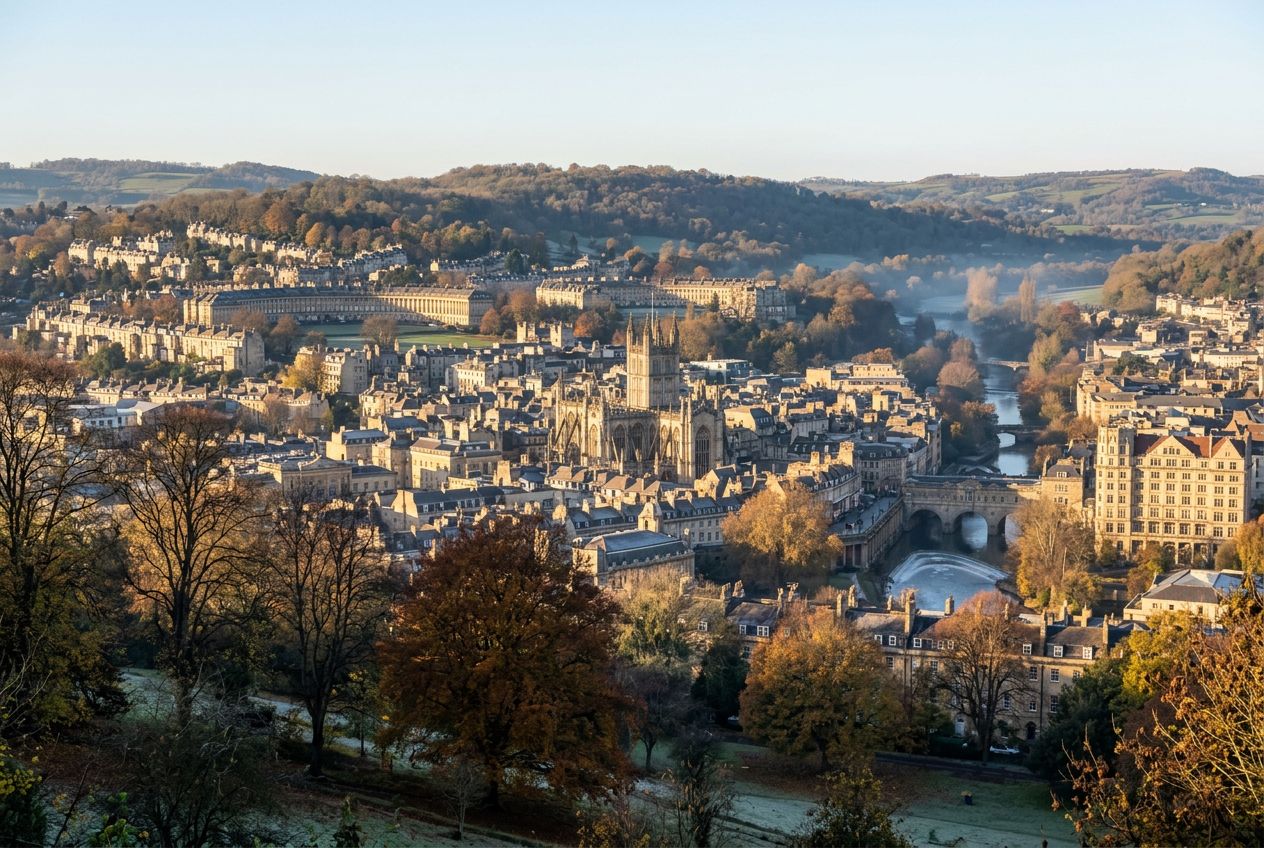
Bath is known for its Georgian architecture, Roman Baths, Pulteney Bridge and the grand crescents and squares built in stone. Walking between them takes you past green spaces such as Royal Victoria Park and Parade Gardens. Narrow side streets and cobbled squares like Abbey Green make the city a rewarding place to explore on foot.
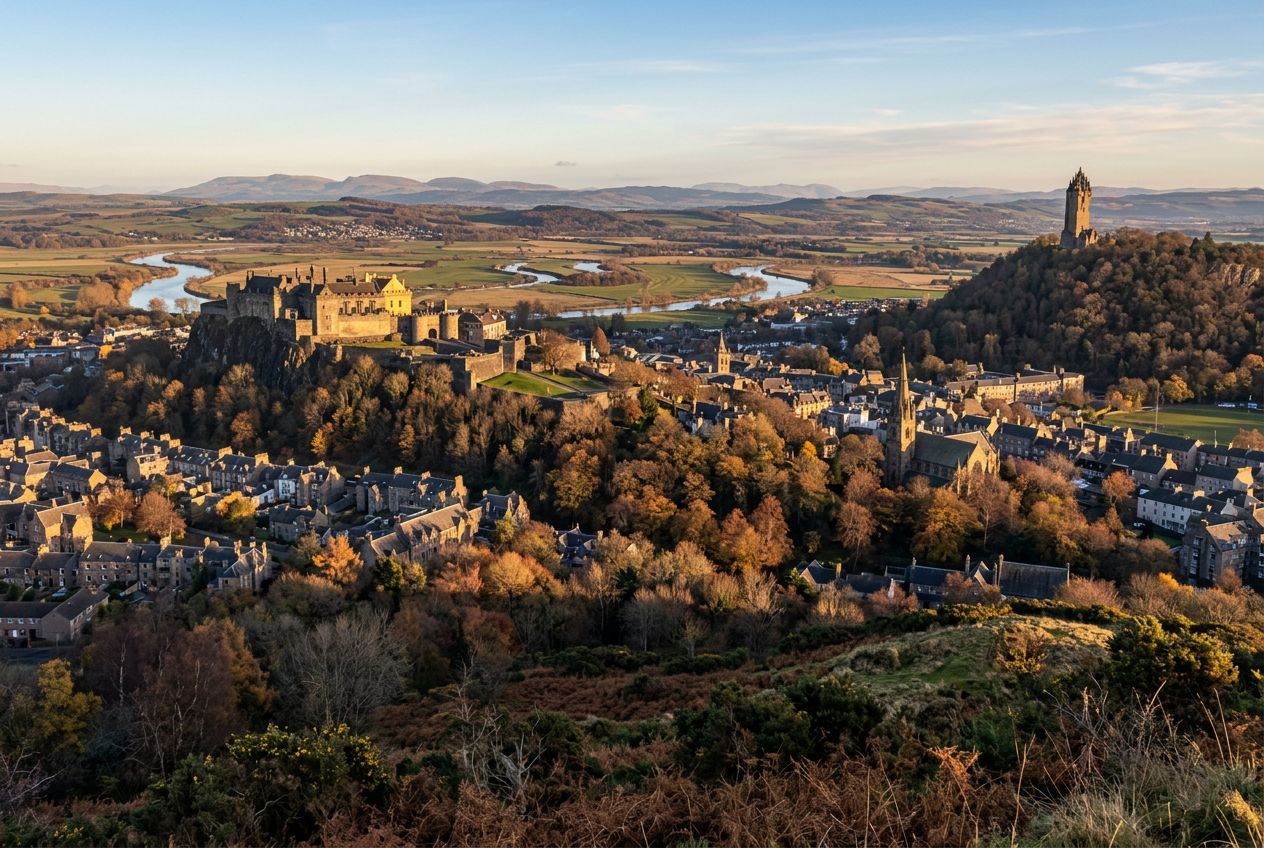
Stirling is a town of old stone, with Cowane's Hospital, Mar's Wark and the Church of the Holy Rude on its historic Broad Street. Cobbled lanes lead past the Mercat Cross and a Victorian arcade toward the castle. Walking the quiet side lanes reveals murals and street art, and the green spaces of King's Park offer room to run.
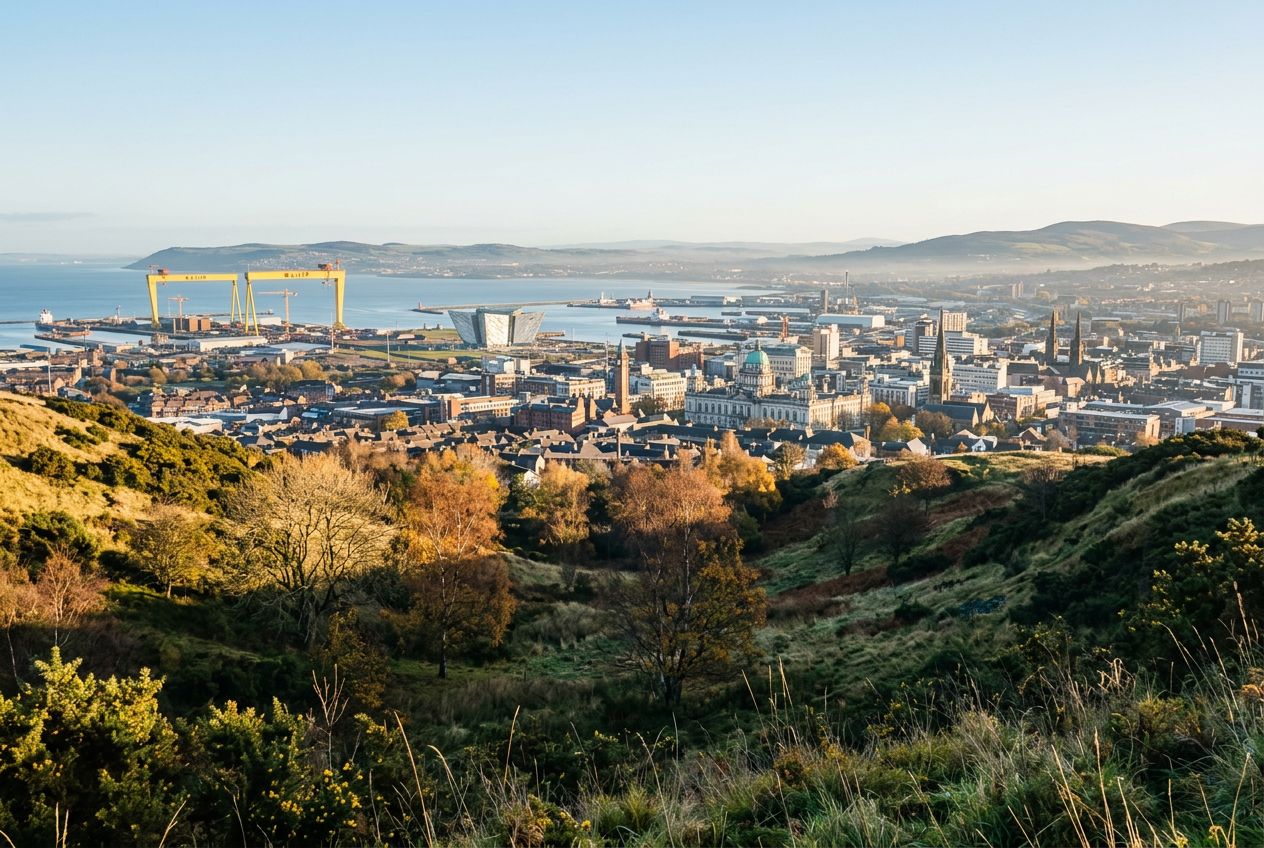
Belfast's old centre is made up of narrow entries, historic churches and quiet courtyards, many with folklore attached. St Anne's Cathedral, Commercial Court and Kelly's Cellars, a pub dating back to 1720, stand among its landmarks. Its character is best seen slowly on foot, moving between the lanes and the stories they hold.
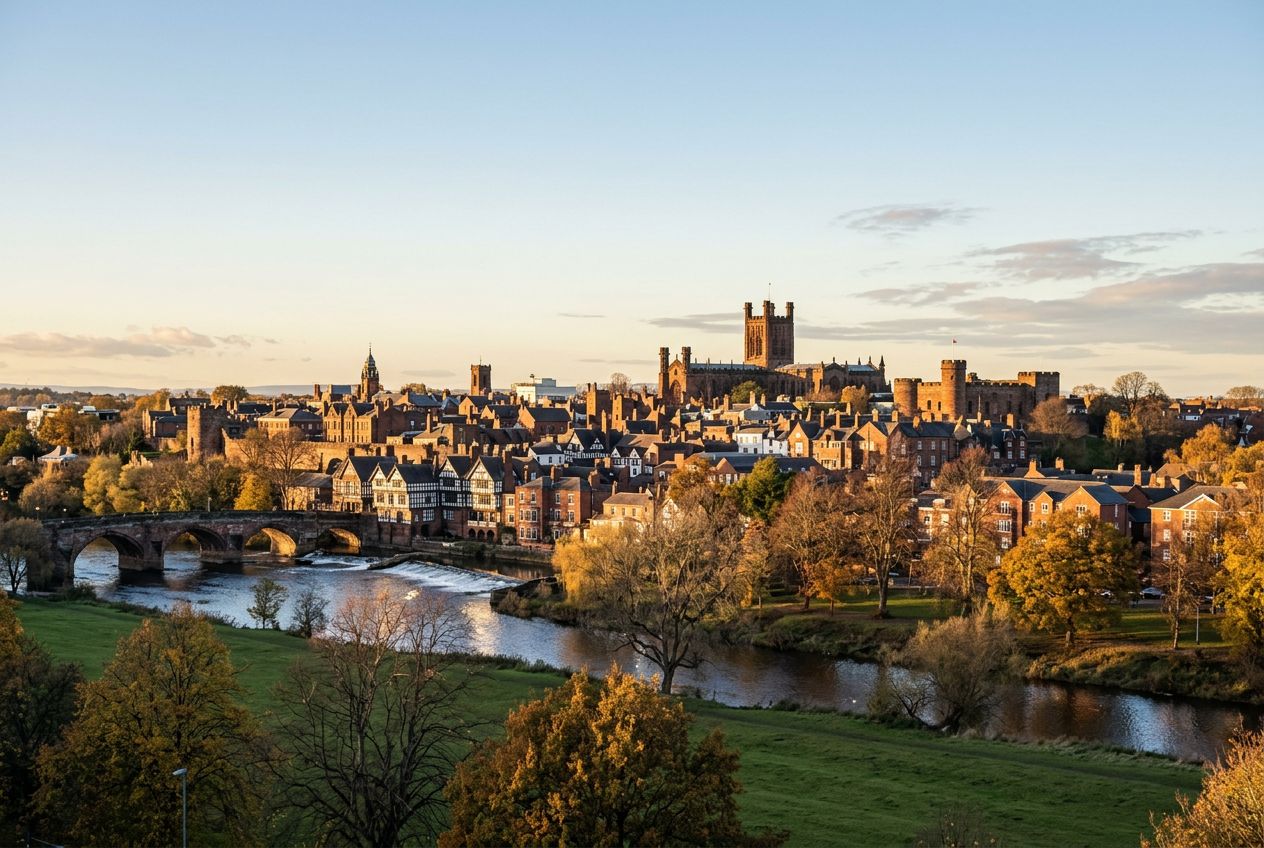
Chester's character comes from its Roman and medieval past, seen in the Rows, the city walls and the Eastgate Clock. Its best-known sights include Chester Cathedral, the Roman Amphitheatre and The Groves along the River Dee. Walking the old streets and climbing onto the ancient walls lets you follow centuries of history at a steady pace.
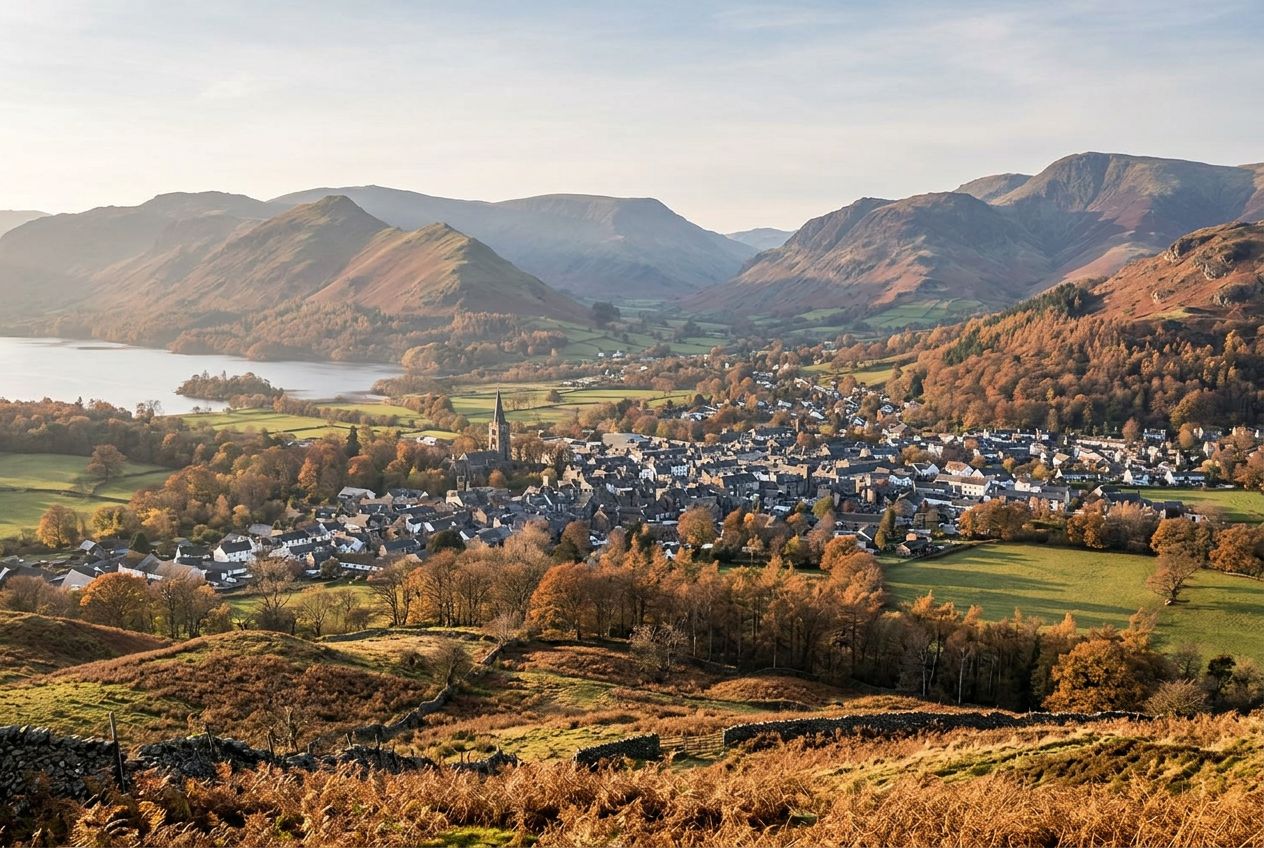
Set in the Lake District, Keswick takes its character from the market square, Moot Hall and the calm edge of Derwentwater. Walks lead from the busy centre past St John's Church and the green spaces of Fitz Park and Hope Park down to Crow Park's views over the lake and surrounding fells.
33 cities
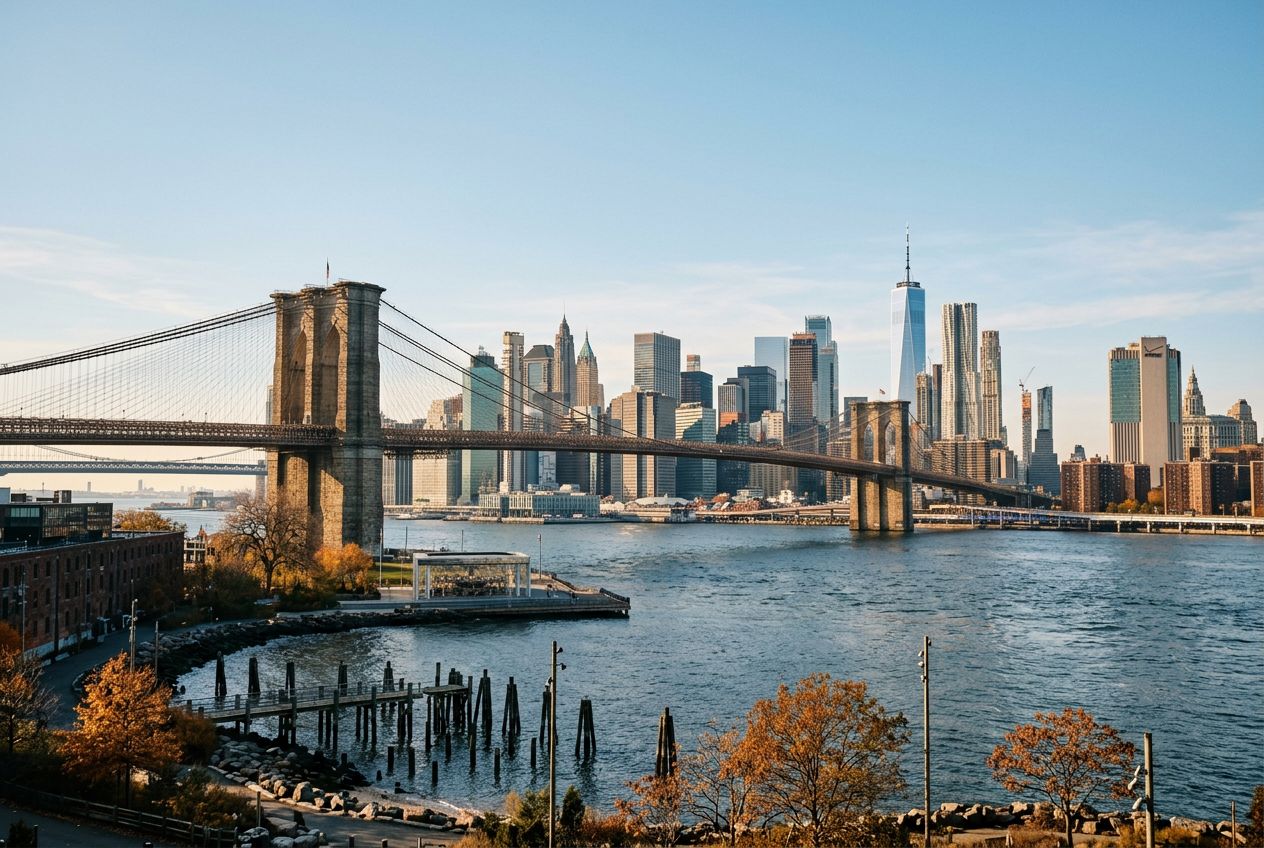
New York's downtown holds some of its oldest streets, including the cobblestones of Stone Street and the historic square at Hanover Square. Trinity Church and St. Paul's Chapel mark the older layers of the city, while Bowery Mural Wall and Freeman Alley show its street art. Central Park's Bethesda Terrace and Sheep Meadow sit in the green core, and Hudson River Greenway suits a bike ride along the western edge.
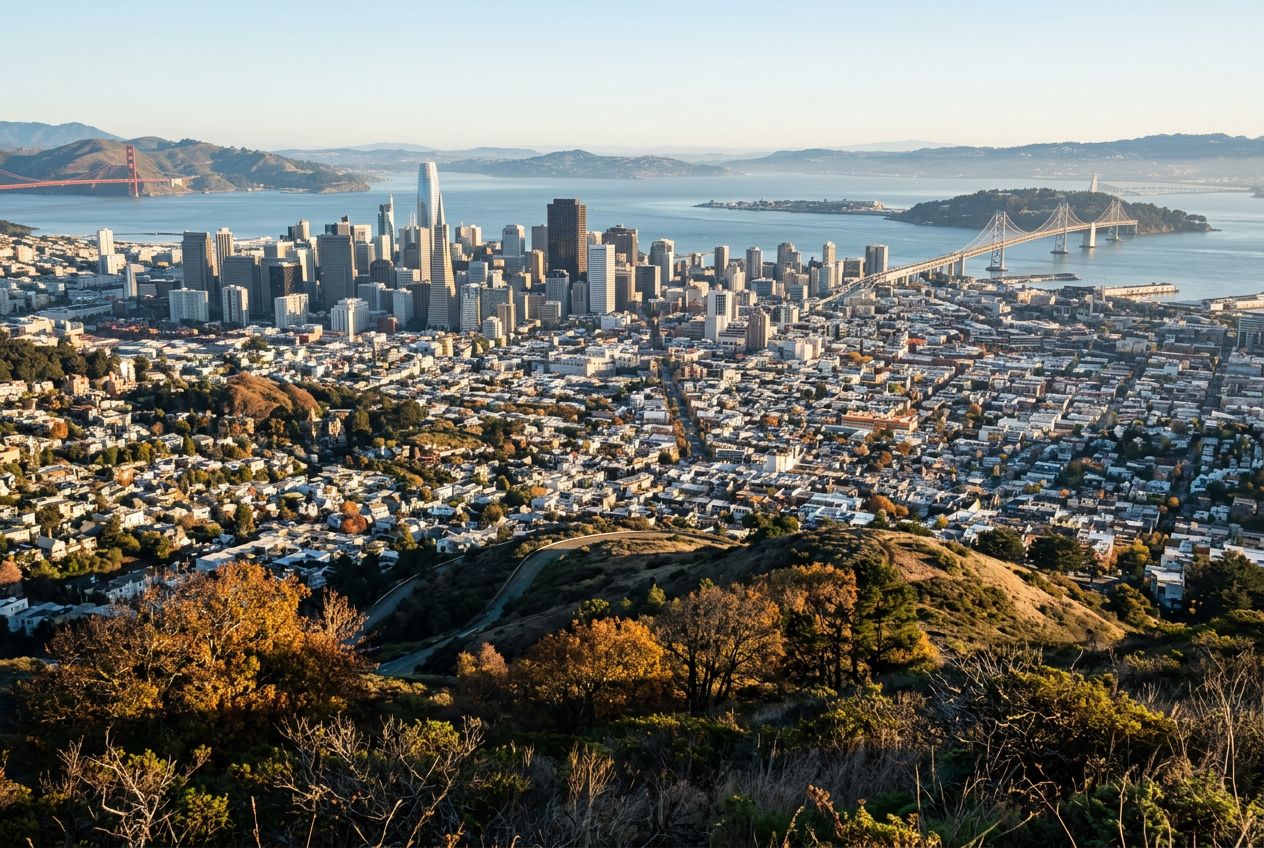
San Francisco's waterfront views take in the Golden Gate Bridge, Alcatraz and the city skyline from Crissy Field and the Presidio. Chinatown's Ross Alley and Waverly Place, the Mission's murals and North Beach's old bars add older and livelier layers. Flat, car-free promenades make the bay a good place for a walk, run or ride.
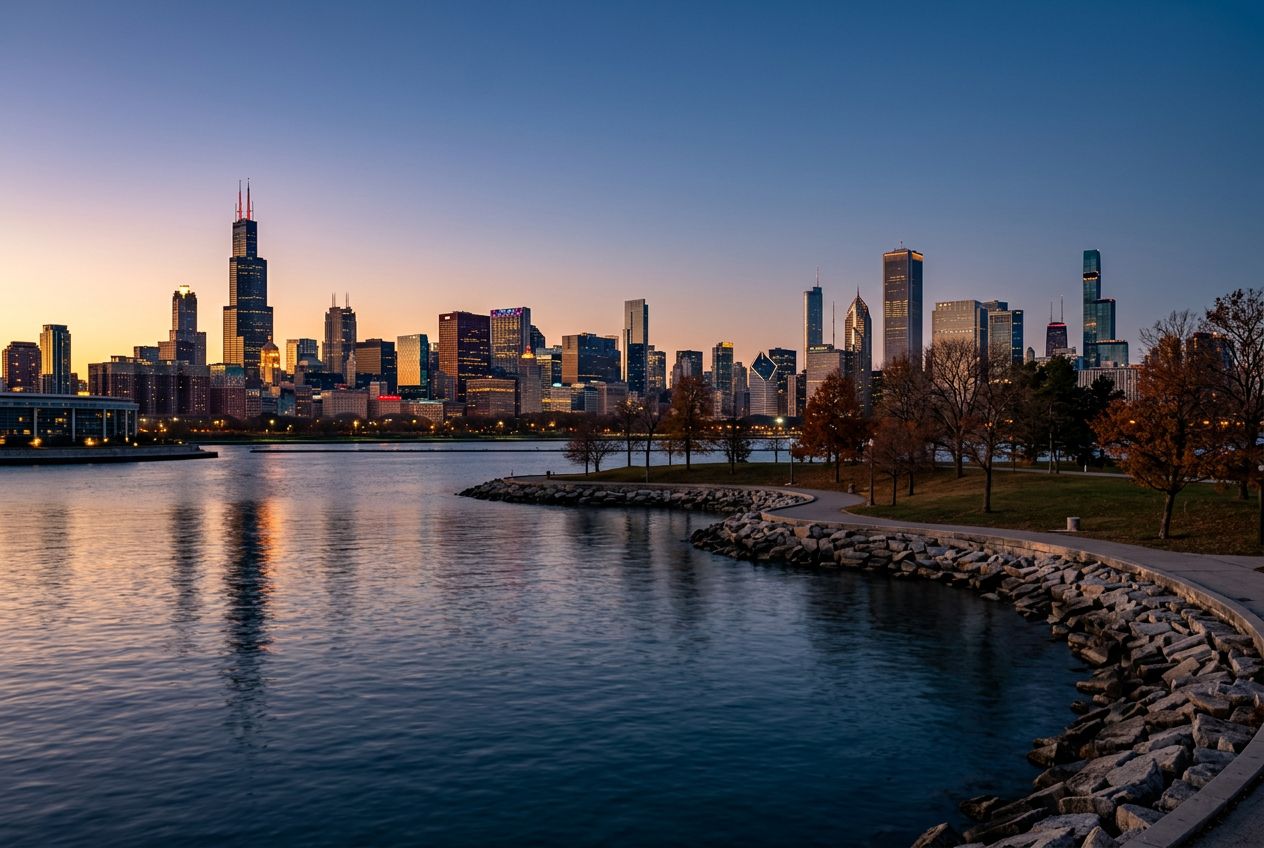
Chicago's character shows in its public art, lakefront views and skyline reflections. Its best-known places include Cloud Gate, Crown Fountain, Millennium Park and the Art Institute of Chicago. The Lakefront Trail and the Chicago Riverwalk offer car-free paths for walking, running or cycling past the city's architecture.
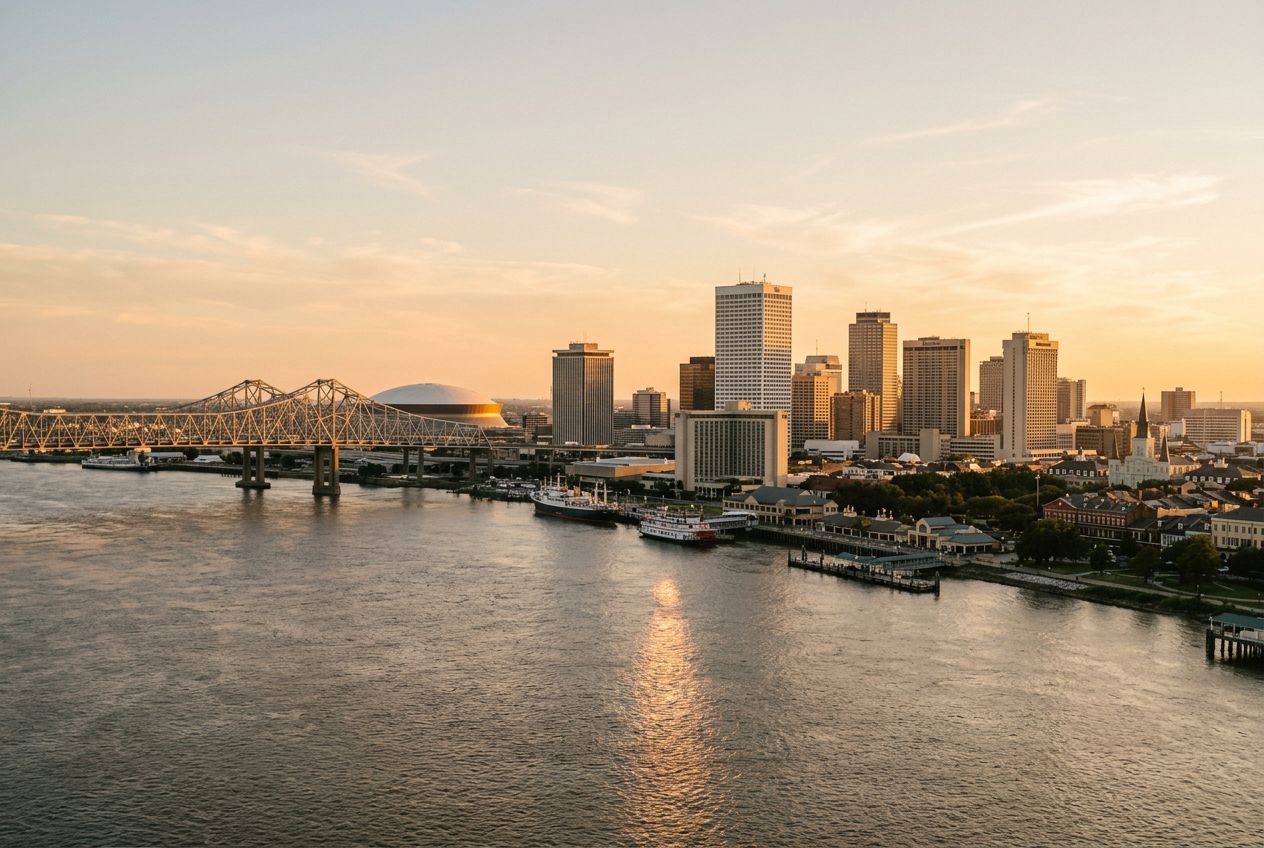
New Orleans' French Quarter is known for Jackson Square, St. Louis Cathedral and the lively French Market, all set near the Mississippi. Narrow alleys such as Pirate's Alley and Exchange Place lead to hidden courtyards, and Royal Street's galleries and Burgundy Street's murals reward slow wandering. The riverfront promenade is also a good route for a run or a bike ride past passing steamboats.
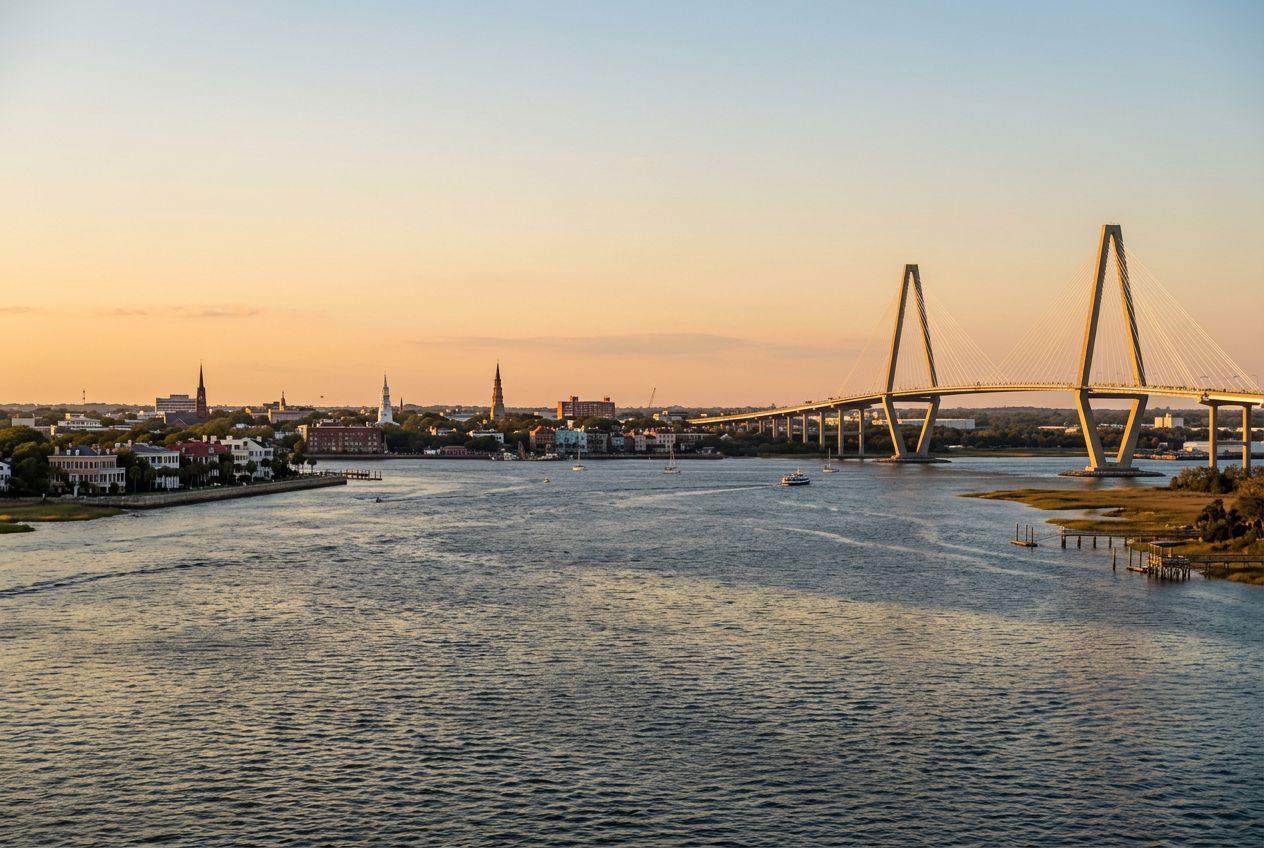
Charleston's character comes from its harbor, historic streets and pastel Georgian houses. Its best-known places include Joe Riley Waterfront Park, Rainbow Row, White Point Garden and St. Michael's Church. The car-free promenade and quiet lanes such as Philadelphia Alley make walking, running and cycling all pleasant here.
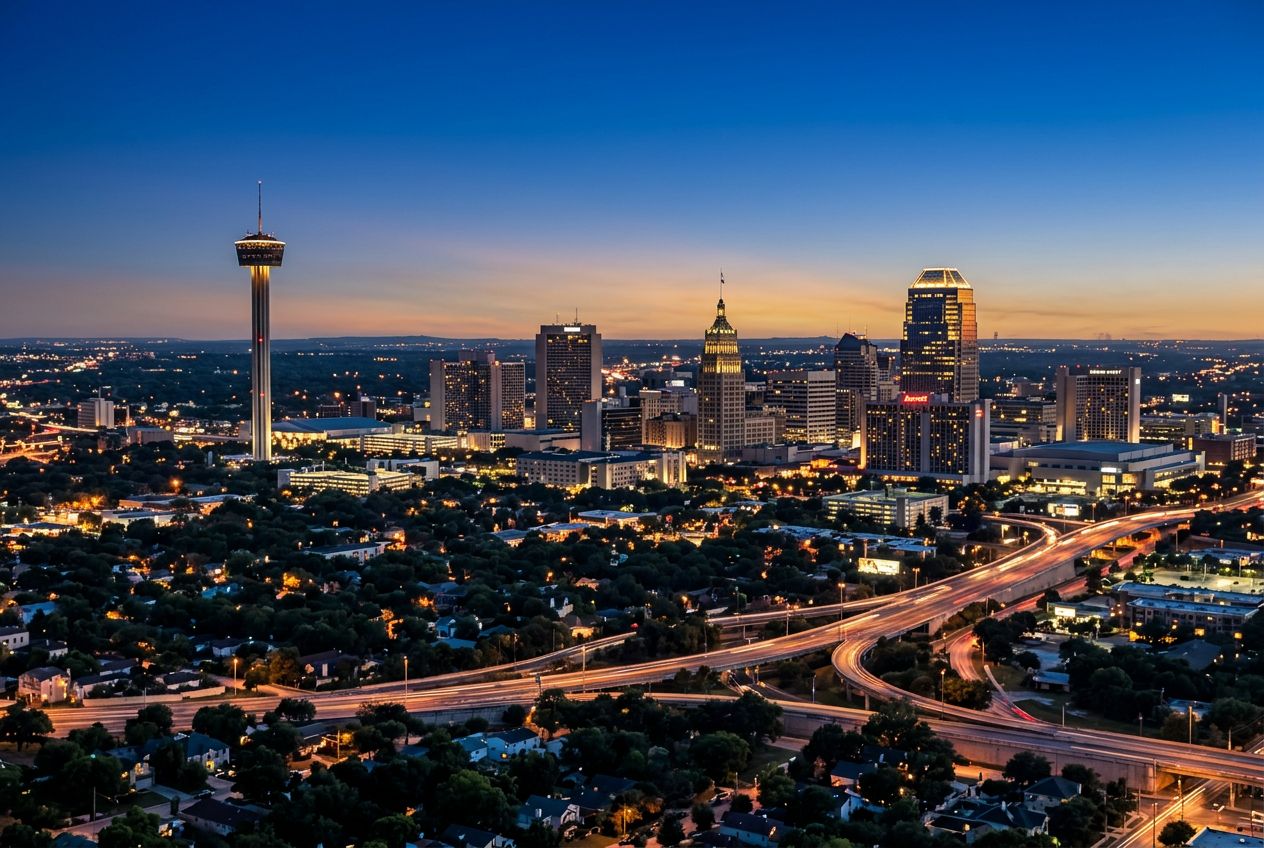
San Antonio's Riverwalk winds past bridges, bars and views of the Tower of the Americas, with the Alamo and San Fernando Cathedral close to the old Main Plaza. Its history reaches back to La Villita and the Spanish Governor's Palace. Car-free paths along the river and through Hemisfair Park and Brackenridge Park suit a slow walk, a run or a bike ride.
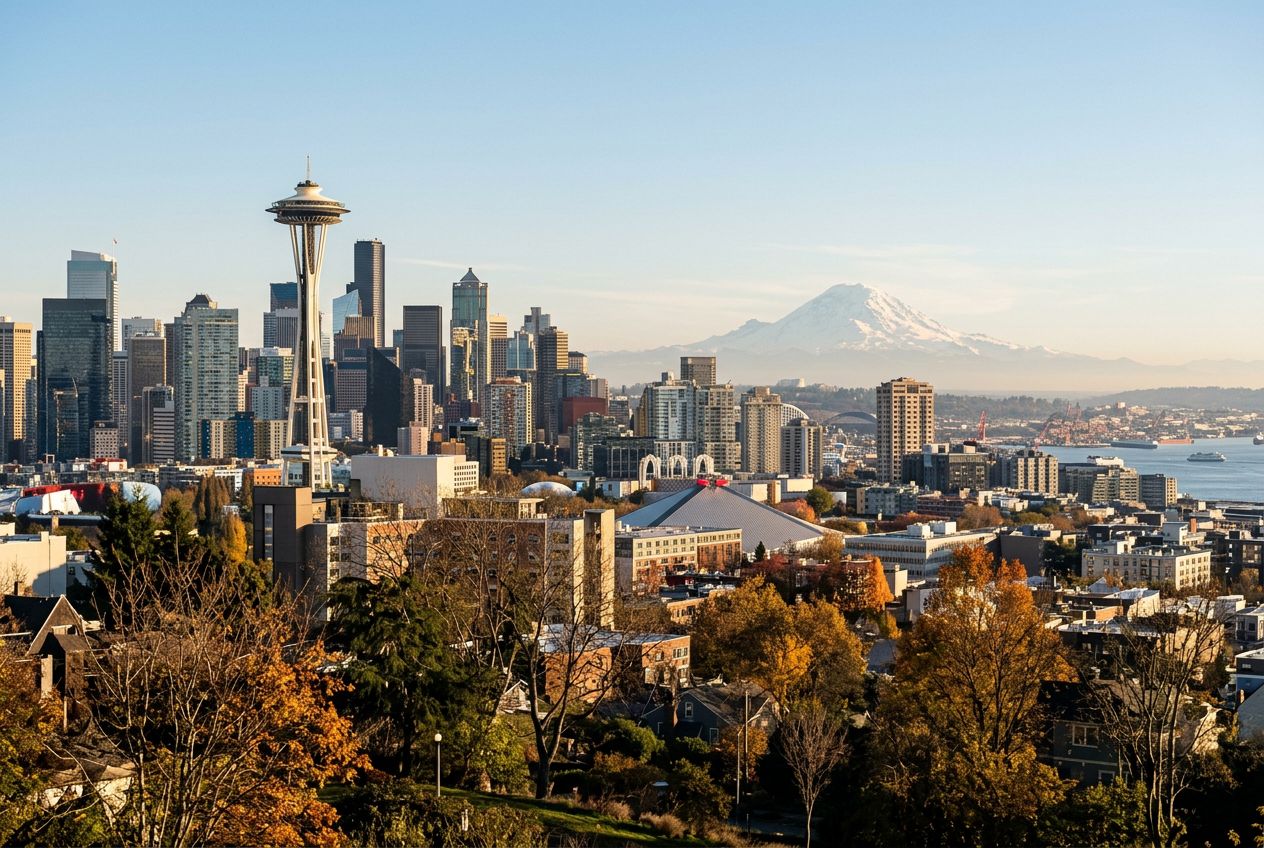
Seattle's character comes from its waterfront, Pike Place Market and the historic Pioneer Square. Elliott Bay views, the Gum Wall and the Pioneer Square Pergola sit close together in the centre. Green Lake and Lake Union offer quieter loops, and the lakeside paths suit a walk, a run or a ride.
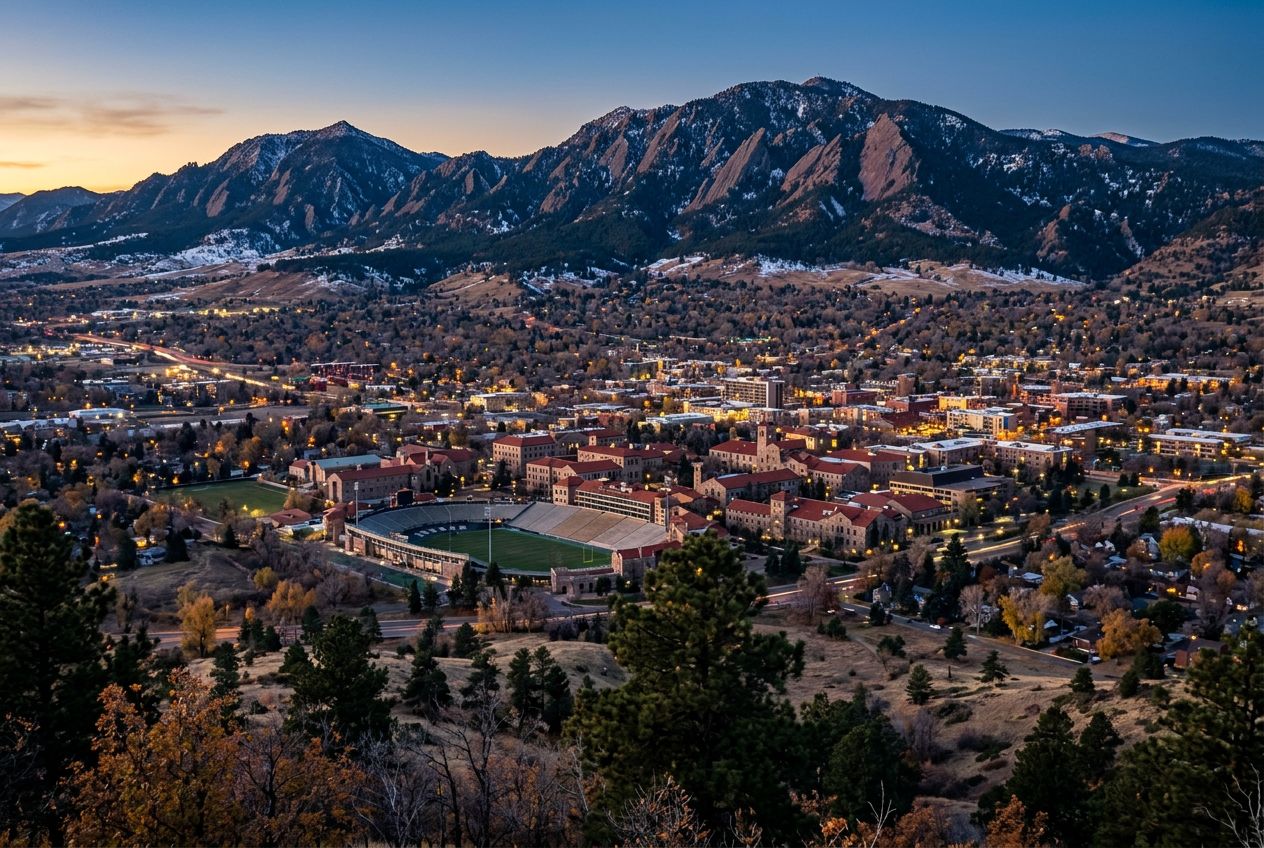
Boulder sits beside the Flatirons, with Boulder Creek running through the city and its paths. The creek path links Central Park, Eben G. Fine Park and the Pearl Street Mall. Walkers, runners and cyclists can follow the water past the Dushanbe Teahouse and the old courthouse, with mountain views opening up along the way.
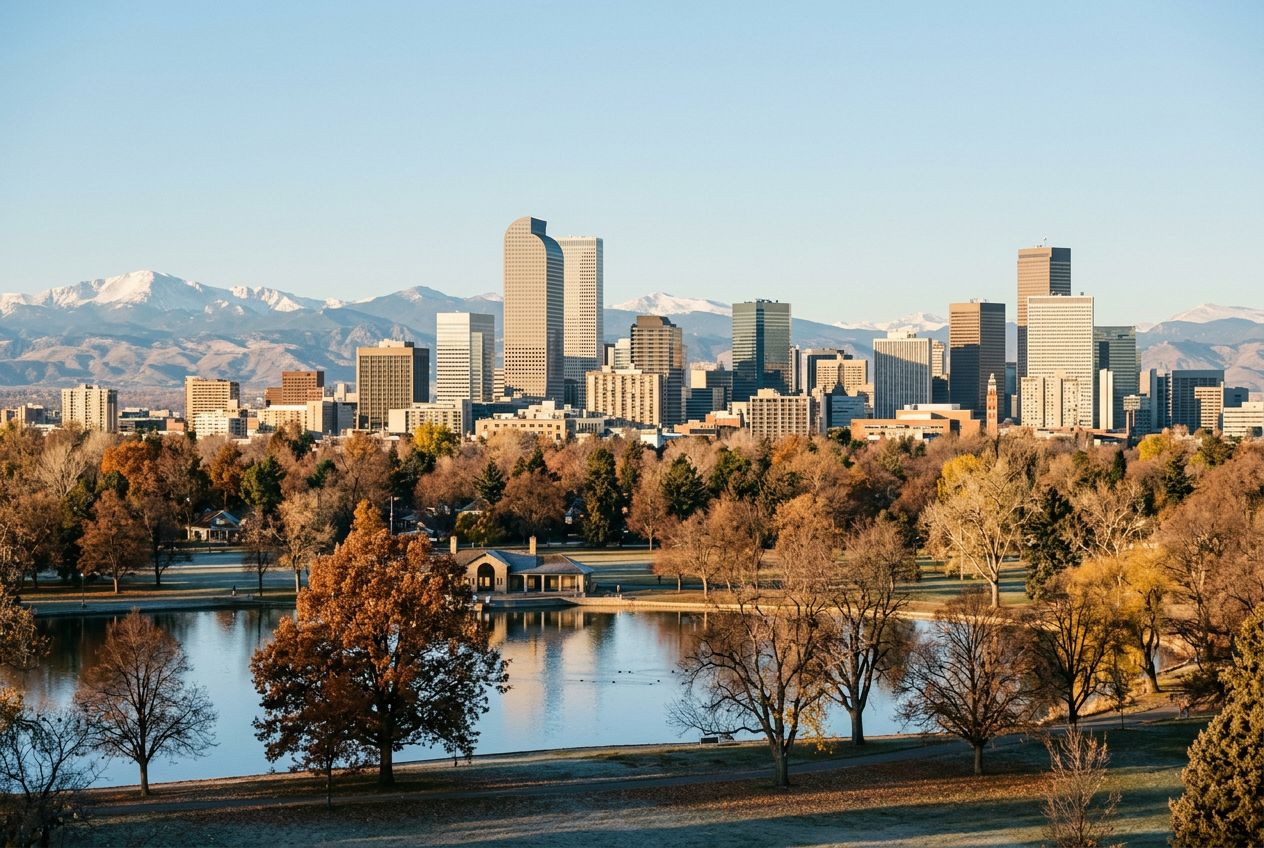
Denver's character blends Western history with a lively arts scene in its RiNo district and along downtown streets. Its best-known places include Union Station, Larimer Square and the Colorado State Capitol, with the Rocky Mountains visible from the Capitol. Car-free paths along the South Platte River and Cherry Creek let walkers, runners and cyclists enjoy the skyline.
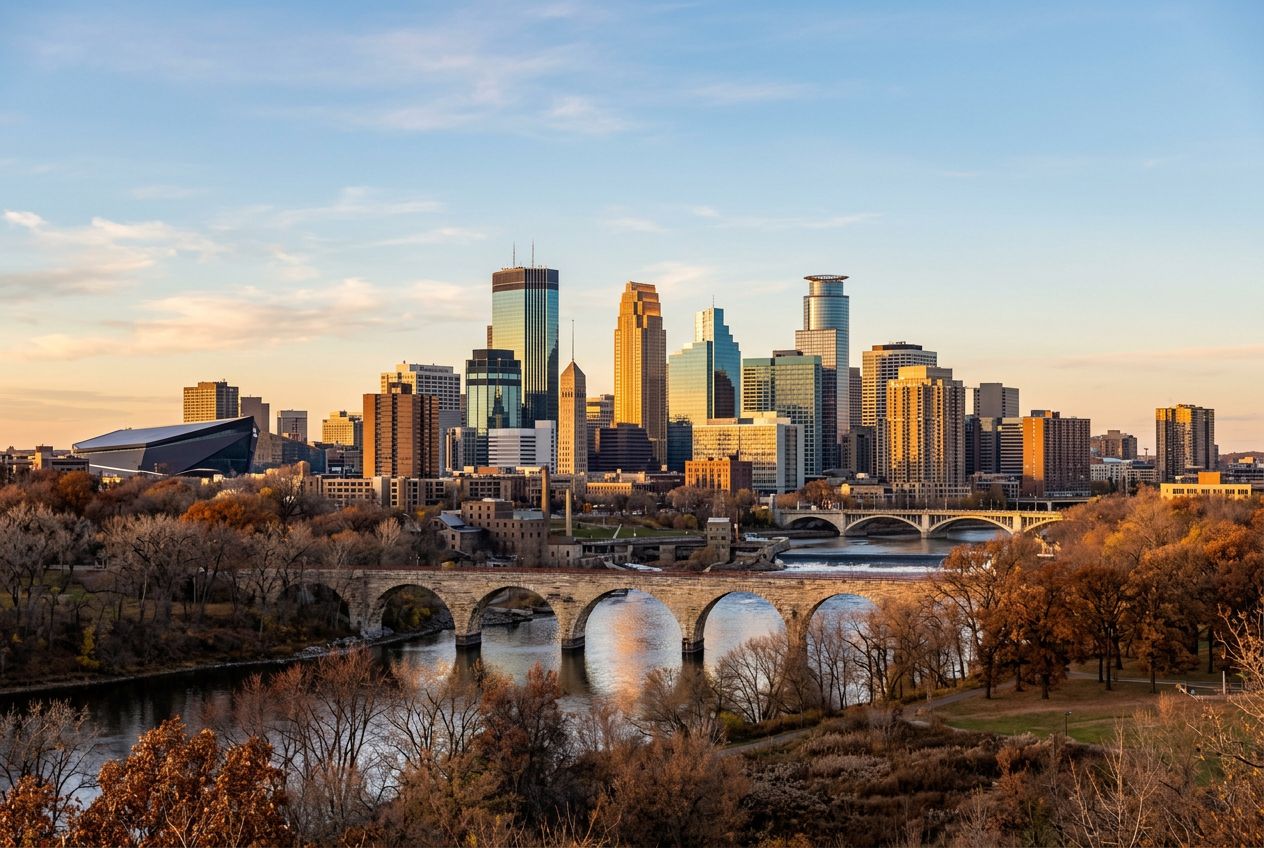
Minneapolis grew up around the waterfalls of the Mississippi River, and its old flour mills, ruins and cobblestone streets still shape the riverside. Walkers can cross the Stone Arch Bridge, wander St. Anthony Main and look out from Gold Medal Park over the falls and downtown. Quiet riverside paths make it easy to explore on foot, by bike or on a run.
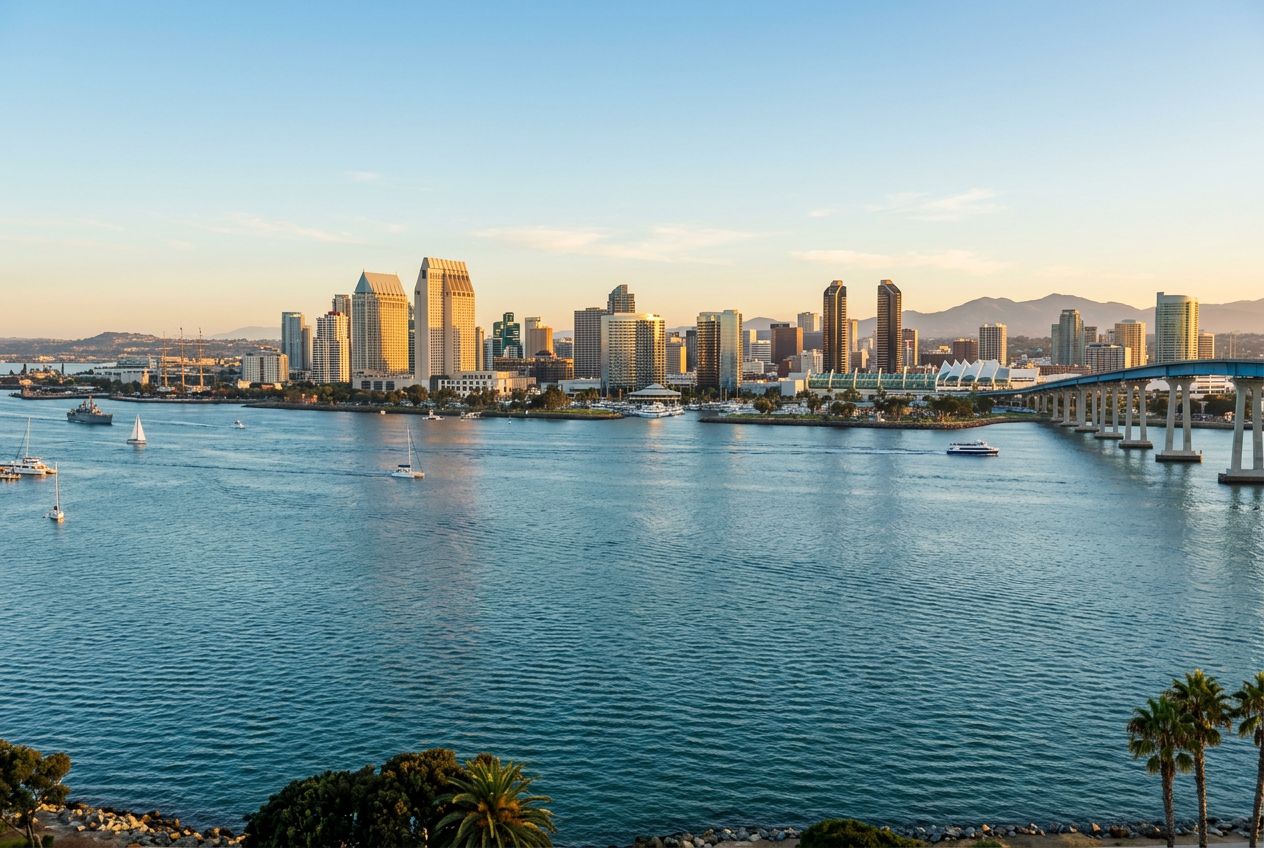
San Diego combines bay waterfront, Balboa Park and a historic Old Town. The park holds the Spreckels Organ Pavilion, the Botanical Building beside the Lily Pond and the Japanese Friendship Garden, while Harbor Island and Shelter Island draw cyclists to the water. Paths through the park and along the bay are well suited to walking, running or riding a bike.
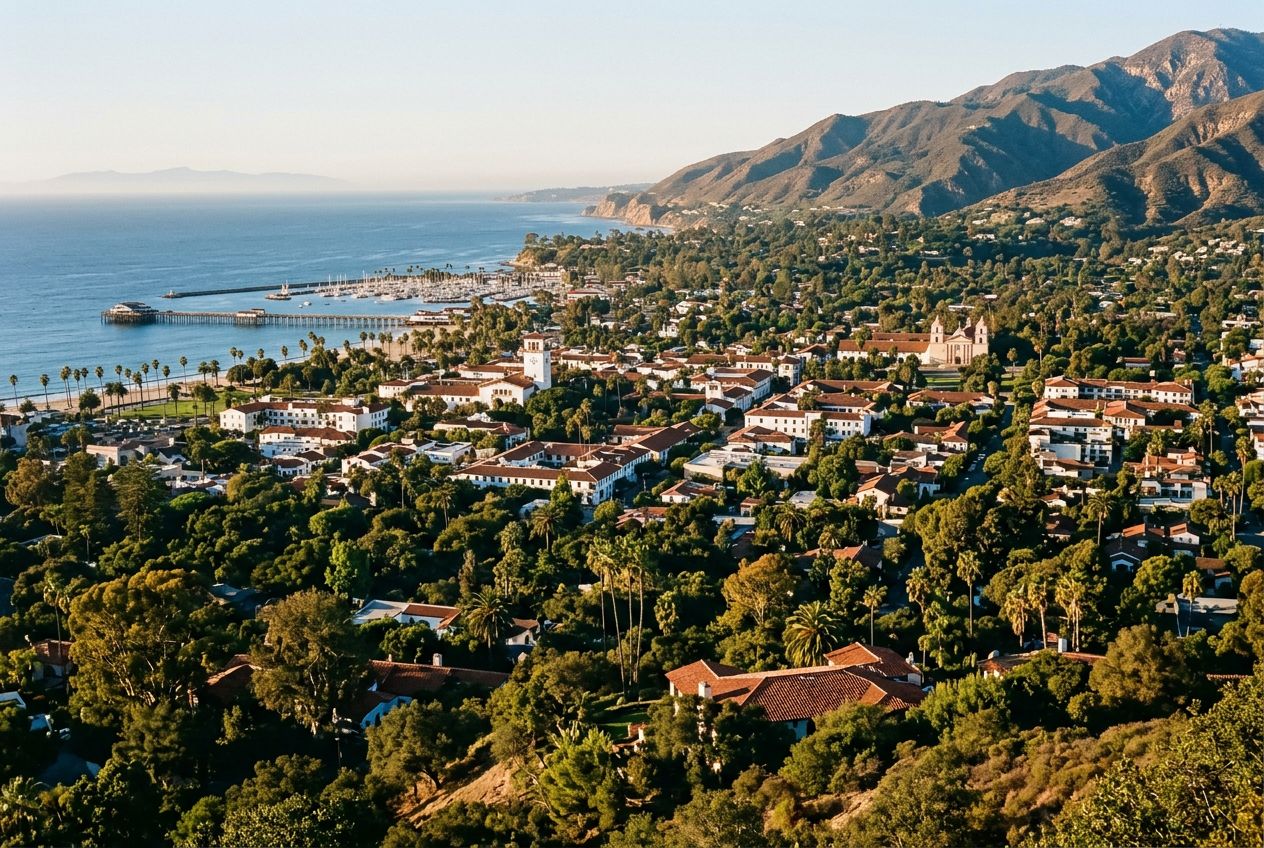
Santa Barbara sits on a palm-lined coast, with Stearns Wharf and the harbor below the Santa Ynez Mountains. Spanish Colonial buildings such as the County Courthouse, El Presidio and Casa de la Guerra give its historic streets a distinct character. The Cabrillo Bike Path and the parks along the shore make it easy to walk, run or cycle.
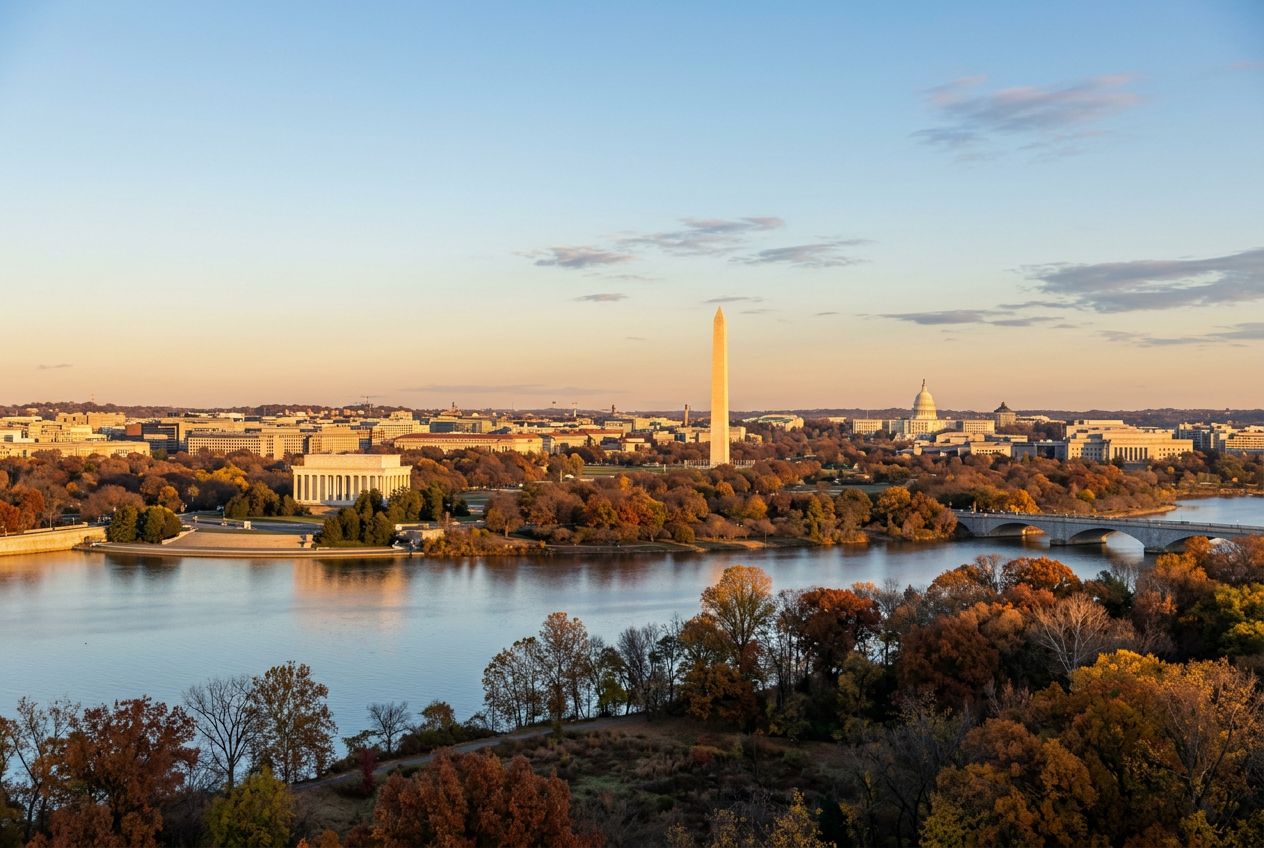
Washington DC's monuments line the Potomac and the Tidal Basin, where the Lincoln and Jefferson Memorials offer grand views. Wide car-free paths around Hains Point and the Reflecting Pool suit runners and cyclists, while the C&O Canal towpath leads to Georgetown. In Georgetown's cobbled alleys, old townhouses and courtyards offer a quieter pace.
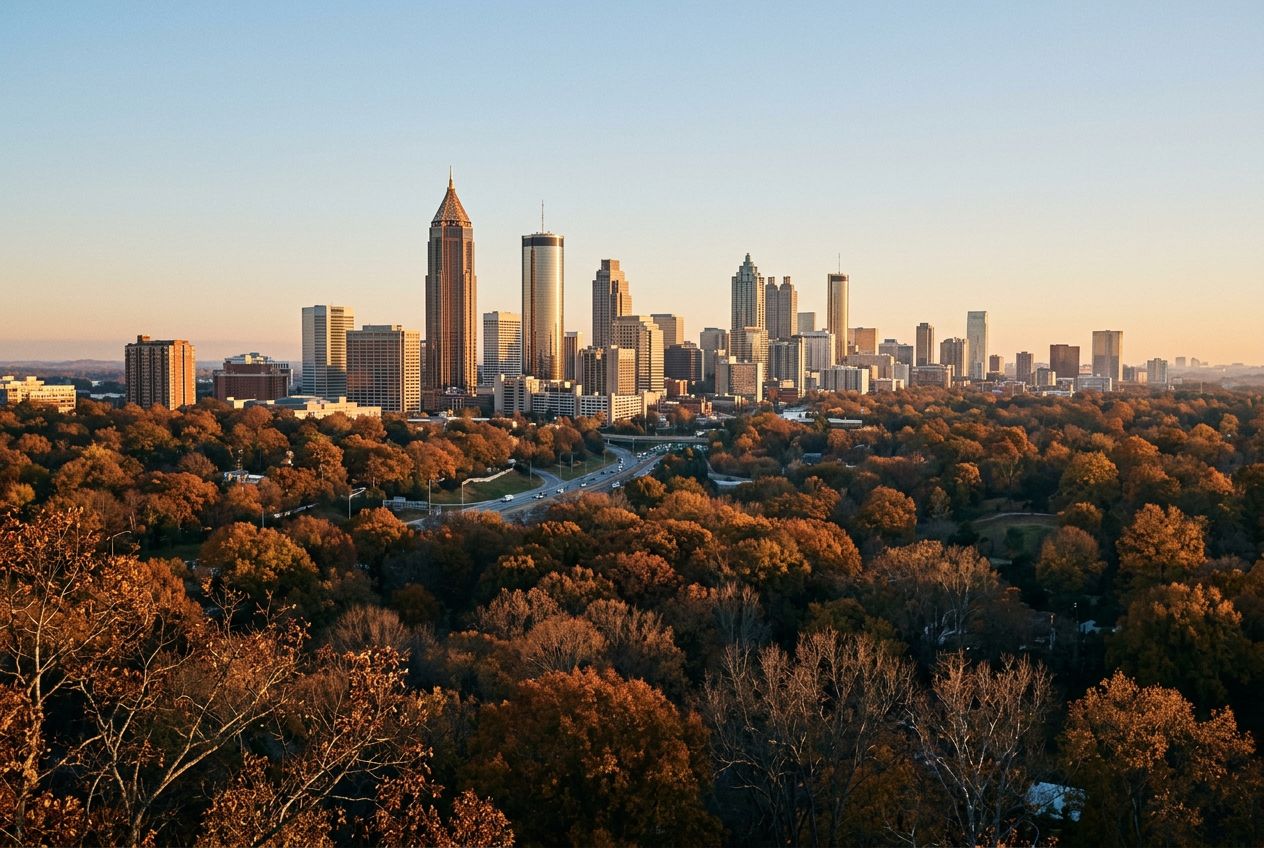
Atlanta's outdoor life centres on the BeltLine, Piedmont Park and the Chattahoochee River, with murals and public art along the way. Walks through Cabbagetown, Inman Park and Krog Street Market reveal the city's creative side. Car-free trails make runs and rides easy, with skyline views from the BeltLine and quieter forest paths along the river.
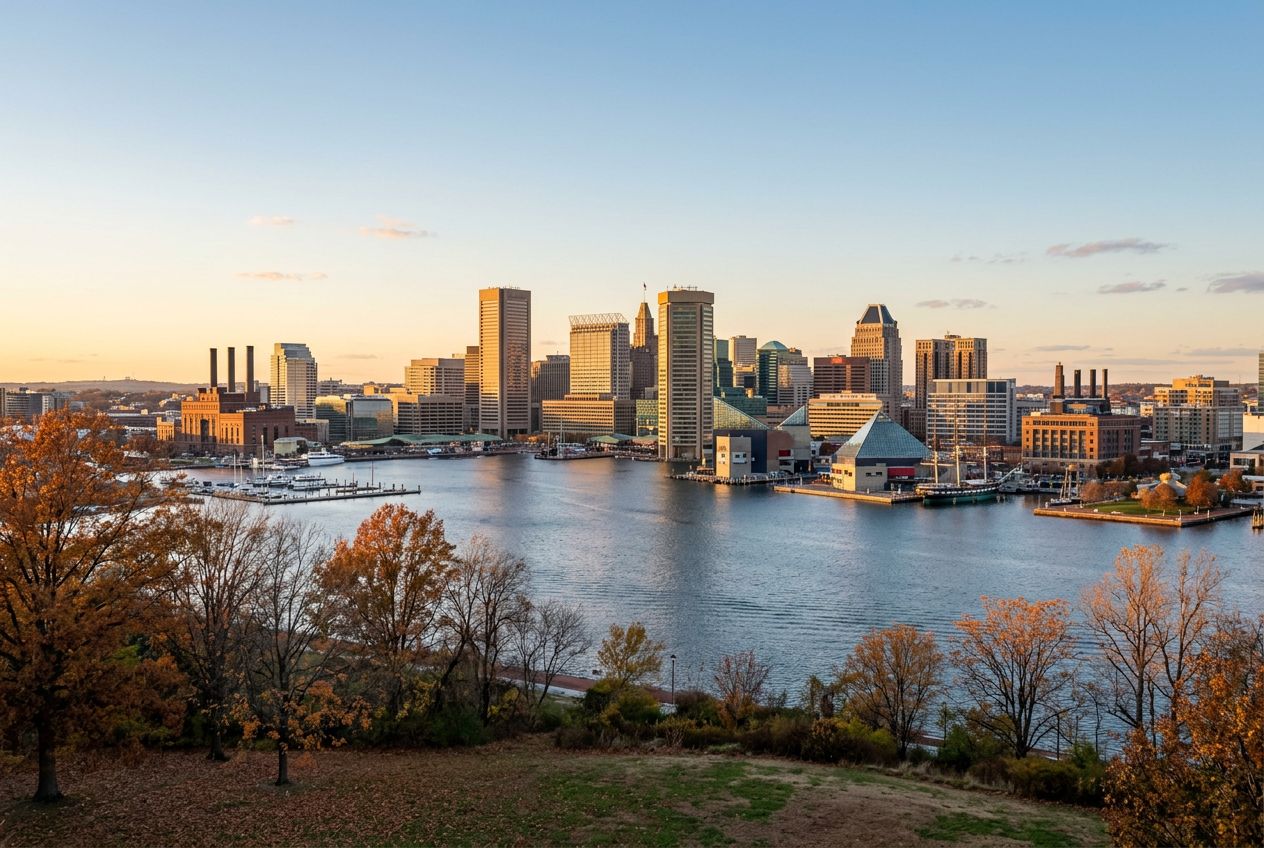
Baltimore's Inner Harbor, Federal Hill and the historic Fells Point waterfront give the city its shape. Old churches, the Phoenix Shot Tower and the Star-Spangled Banner Flag House mark its long history. Wide, car-free promenades along the harbor suit walkers, runners and cyclists, and the views from Federal Hill are a highlight.
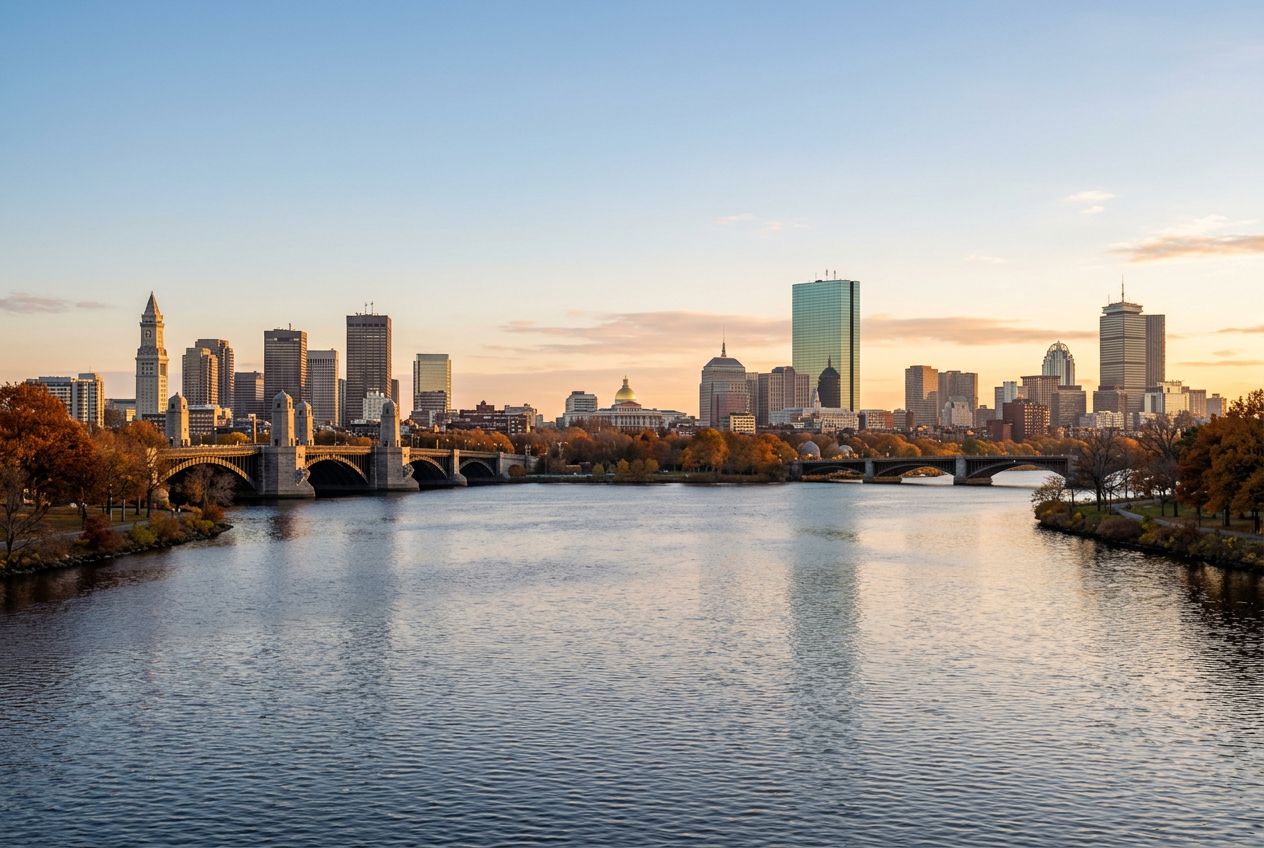
Boston's history runs through Beacon Hill, the Old North Church, the Paul Revere House and Boston Common, America's oldest public park. Acorn Street's cobblestones, the Public Garden and the old alleys of the Blackstone Block add to the sense of a city shaped by its past. It is well suited to slow walks, with a few stops in old taverns along the way.
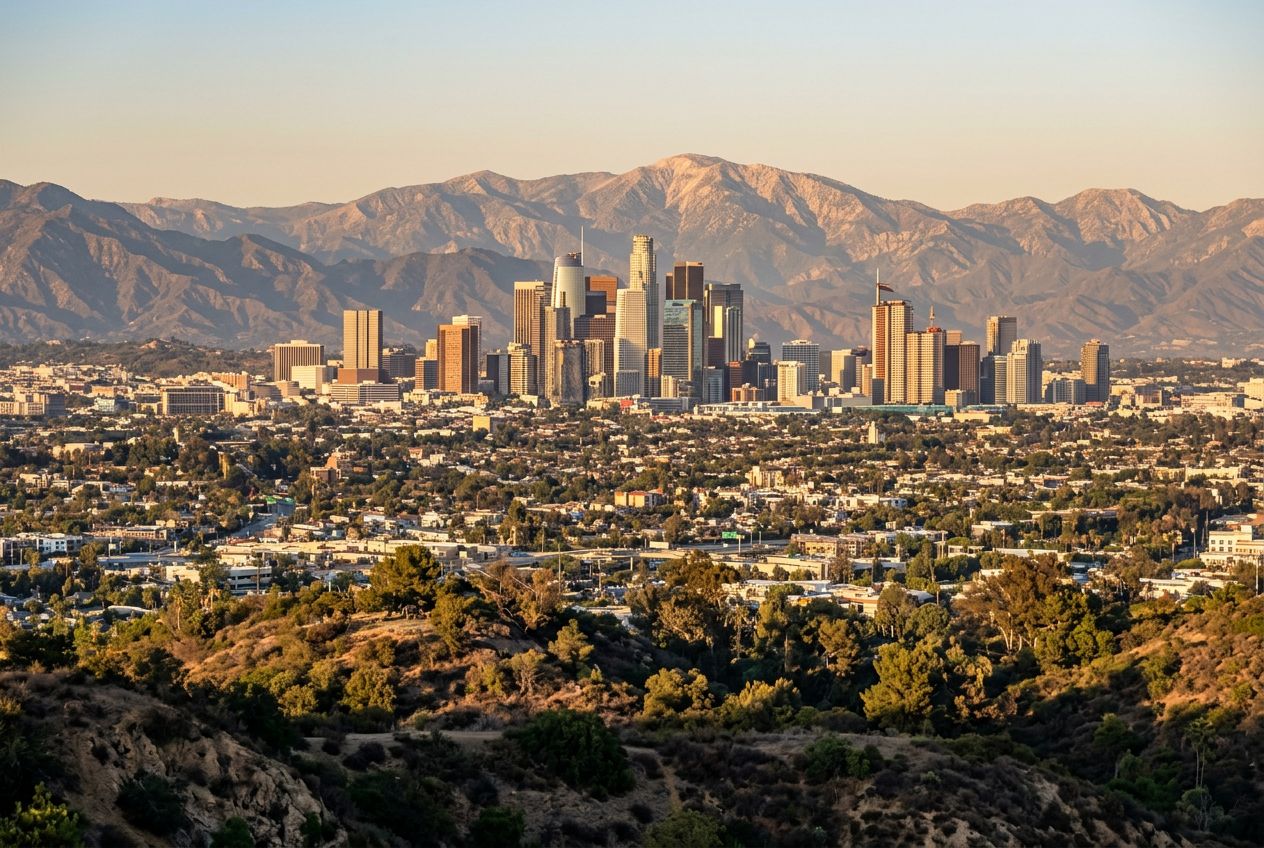
Los Angeles shows many sides, from the murals and galleries of the Arts District to the Victorian Bradbury Building and the historic downtown core. The revitalized Los Angeles River Greenway offers car-free paths for runs and rides through urban nature. Between the art, old theatres and Walt Disney Concert Hall, the city rewards slow exploration on foot.
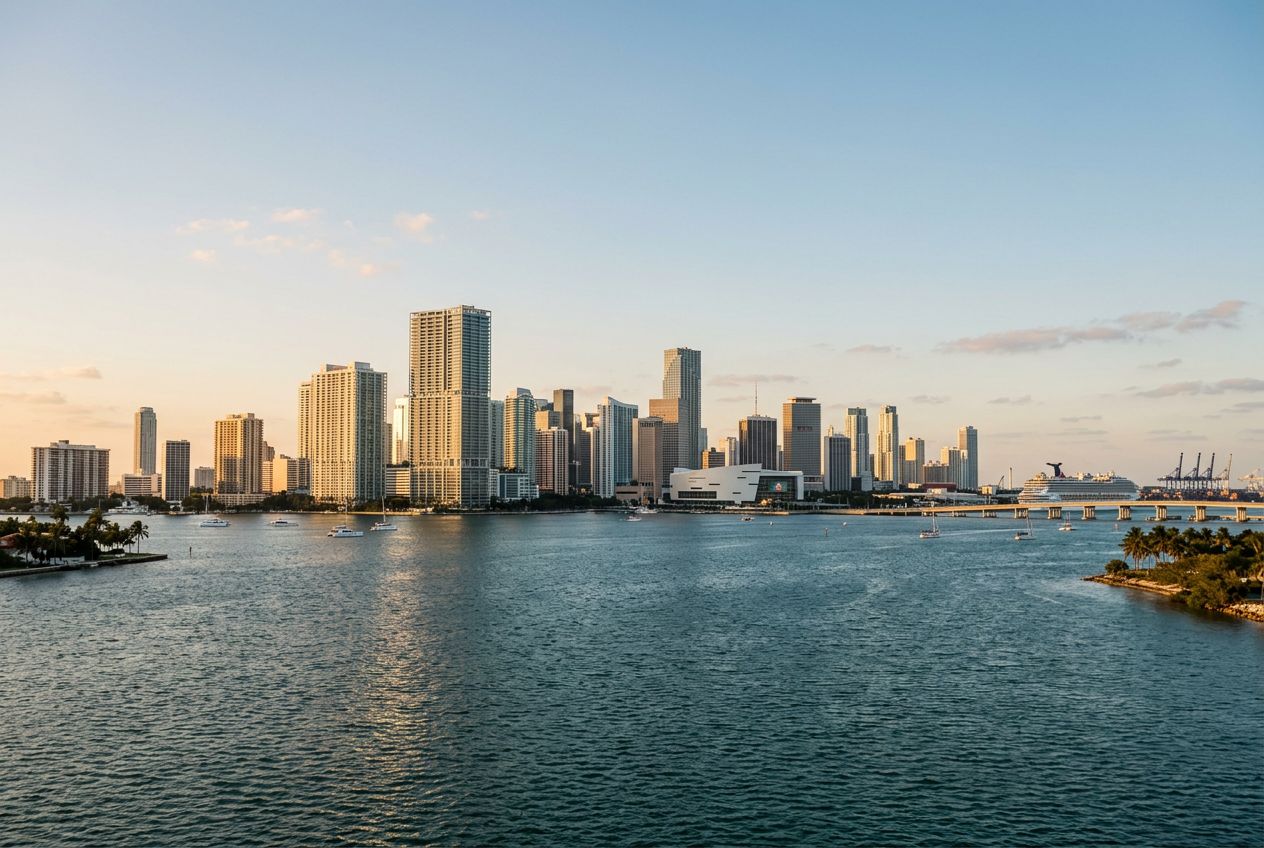
Miami's character is set by its bayfront parks, Art Deco streets and bright Wynwood murals. Biscayne Bay and the downtown skyline frame car-free waterfront paths, while Ocean Drive and Española Way show the pastel architecture of South Beach. Wynwood's alleys, galleries and lively bars reward a slow walk after dark.
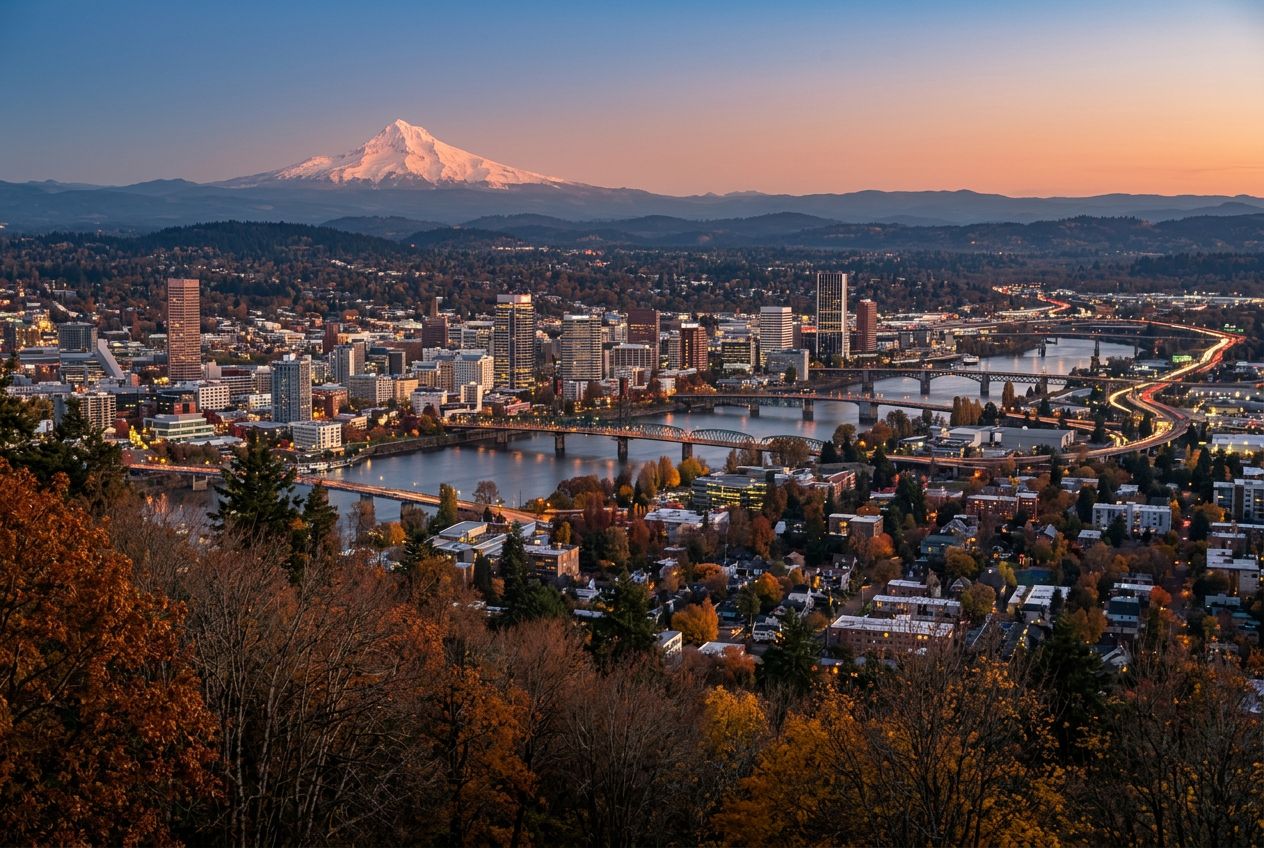
Portland is organised around the Willamette River, with bridges, parks and waterfront paths linking its neighbourhoods. Tilikum Crossing, a car-free bridge, and the Vera Katz Eastbank Esplanade give clear views of the skyline. Quirky landmarks such as Mill Ends Park and Powell's City of Books add a playful side, and the city is well suited to walking, cycling or running.
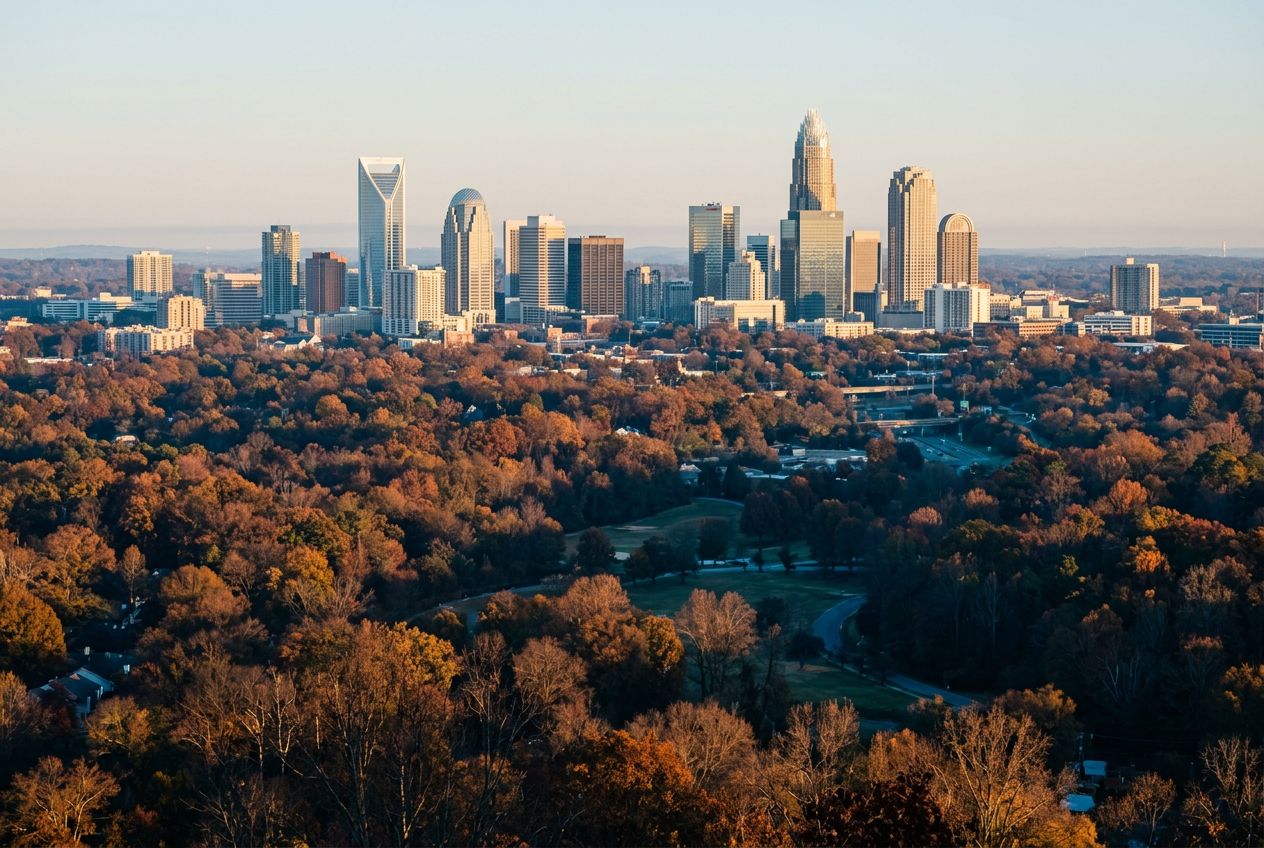
Charlotte's character is shaped by its green spaces, which sit close to downtown skyline views. Freedom Park, Little Sugar Creek Greenway and Midtown Park offer wide car-free paths for walking, running and cycling. Historic neighborhoods such as Fourth Ward and Myers Park add Victorian homes and tree-lined avenues to the mix.
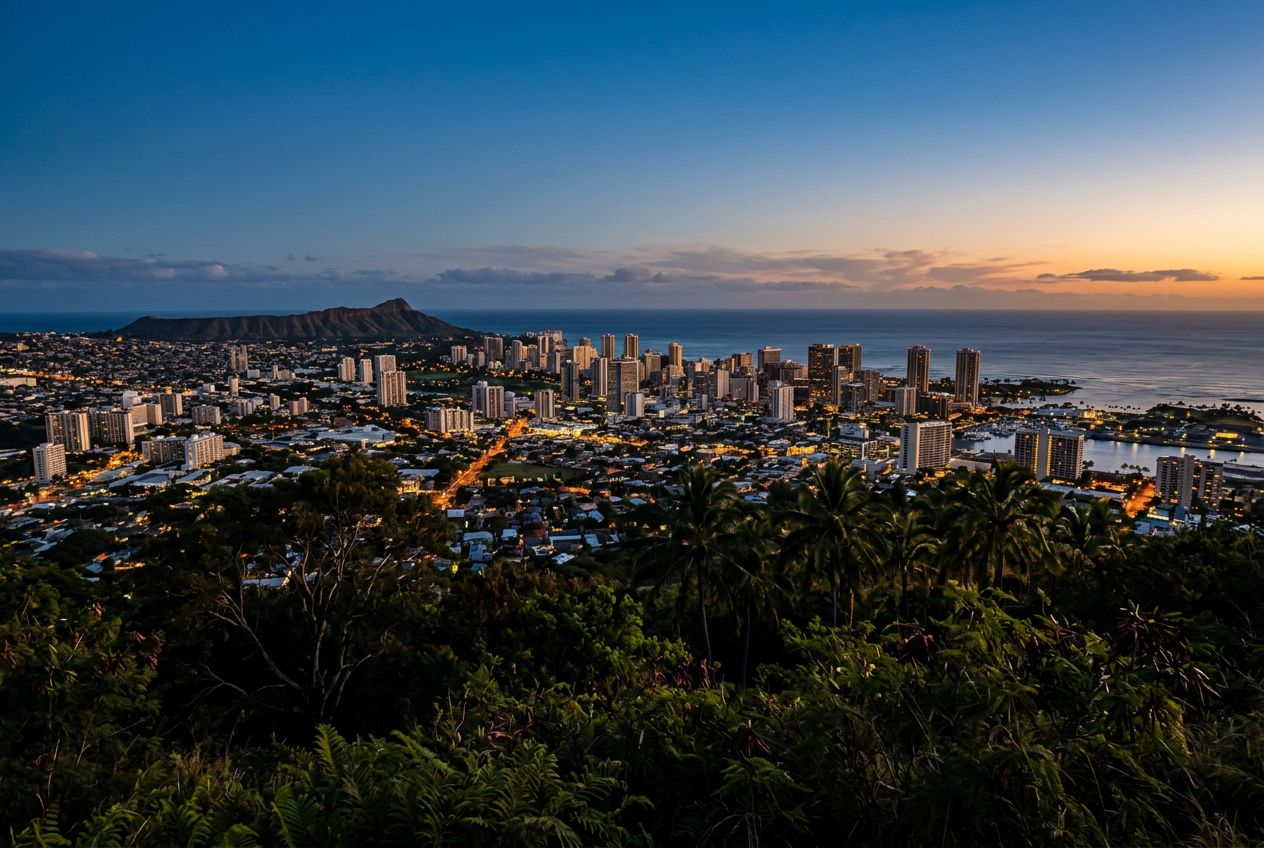
Honolulu's shoreline is shaped by long beaches, leafy parks and views of Diamond Head, with Waikiki Beach, Kapiolani Park and the Duke Kahanamoku Statue among its best-known places. Runners and walkers can follow the traffic-free Waikiki Beach Path and the quieter Ala Wai Canal Path, while cyclists can ride past Magic Island and the lagoon at Kahanamoku Beach.
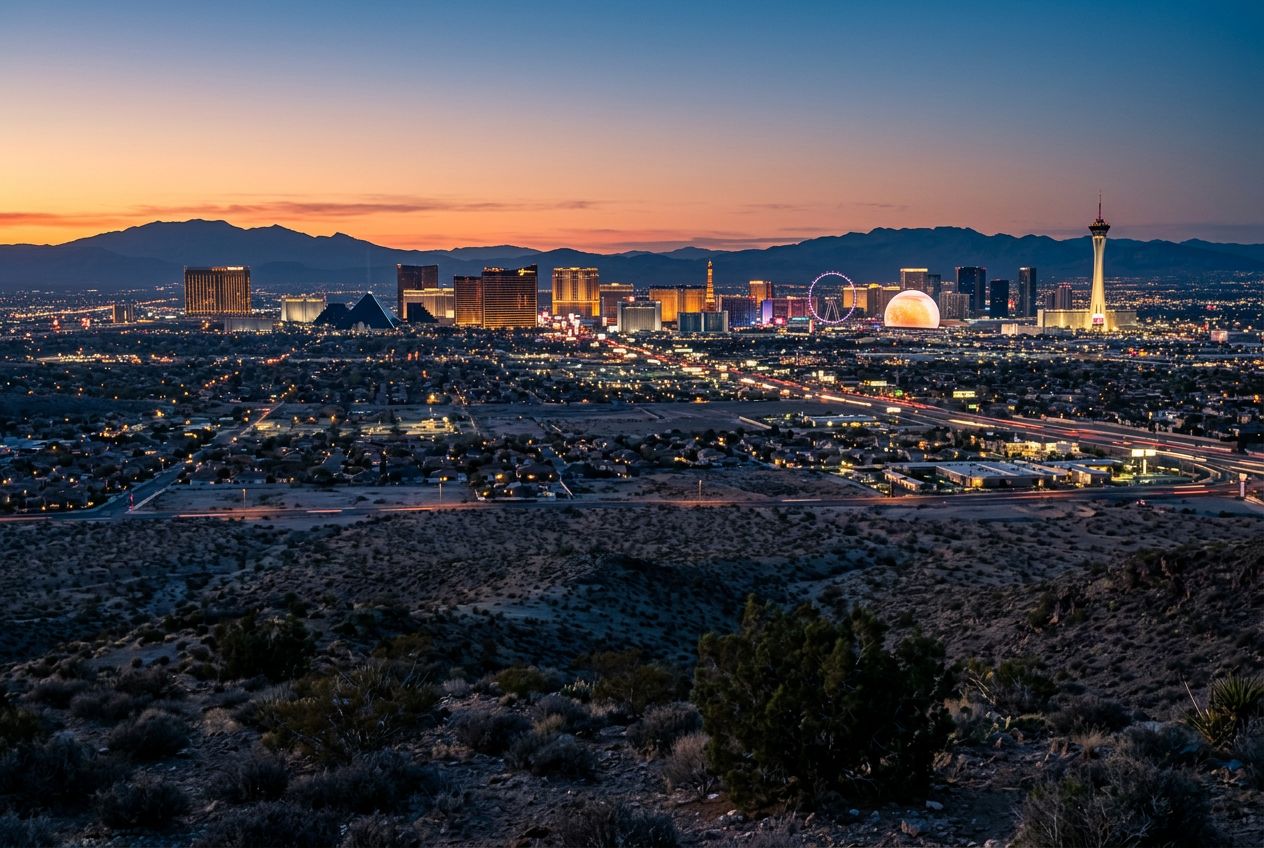
Las Vegas offers two sides, from the Strip's fountains, Bellagio Conservatory and Mirage Volcano to the murals and galleries of the Arts District downtown. Walkers can wander Art Square and Colorado Street's ever-changing murals, while runners can pass Symphony Park and The Smith Center, and cyclists can take the paths of Clark County Wetlands Park.
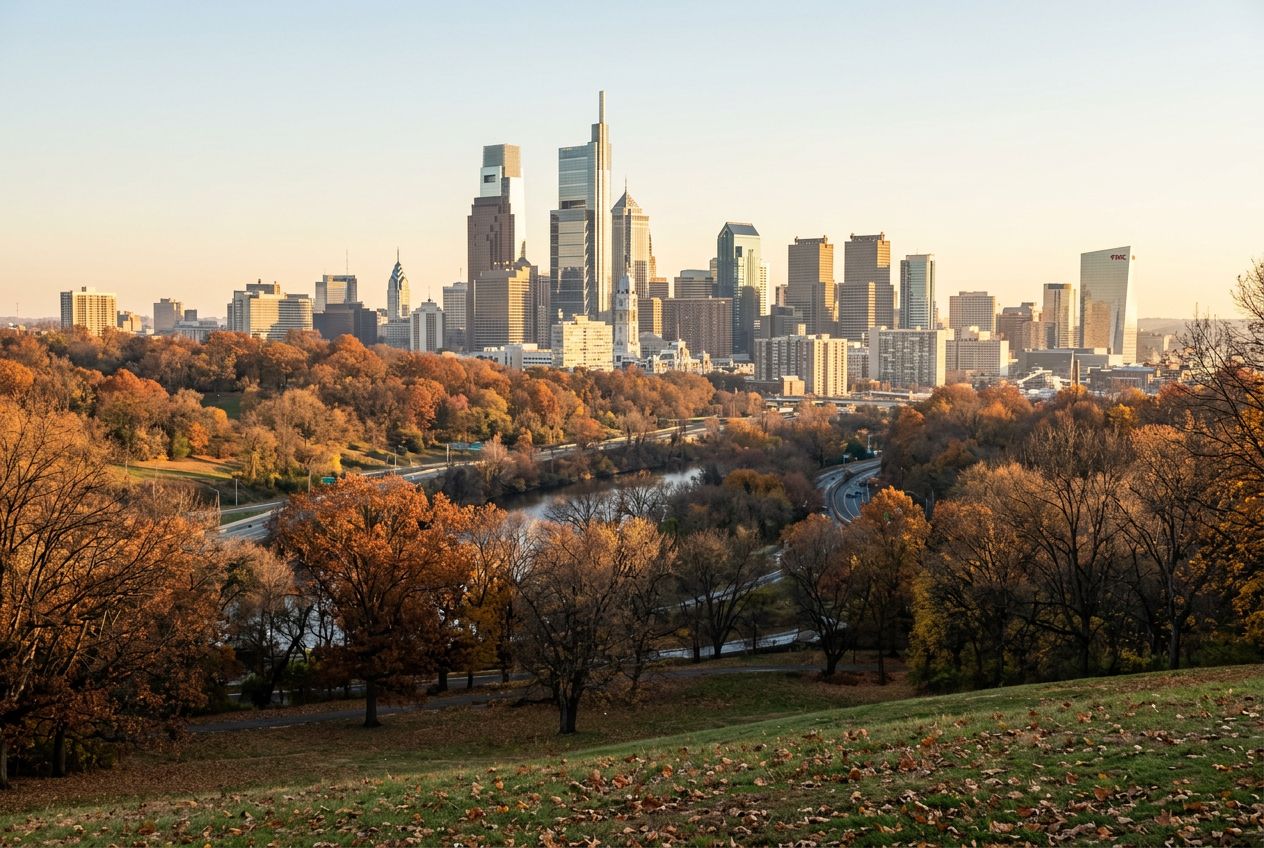
Philadelphia's story runs through its colonial squares, historic alleys and river. Elfreth's Alley, Head House Square and Washington Square offer calm glimpses of the 18th century, while murals brighten hidden lanes. Along the Schuylkill, Boathouse Row and Kelly Drive make a flat route for walking, running or cycling.
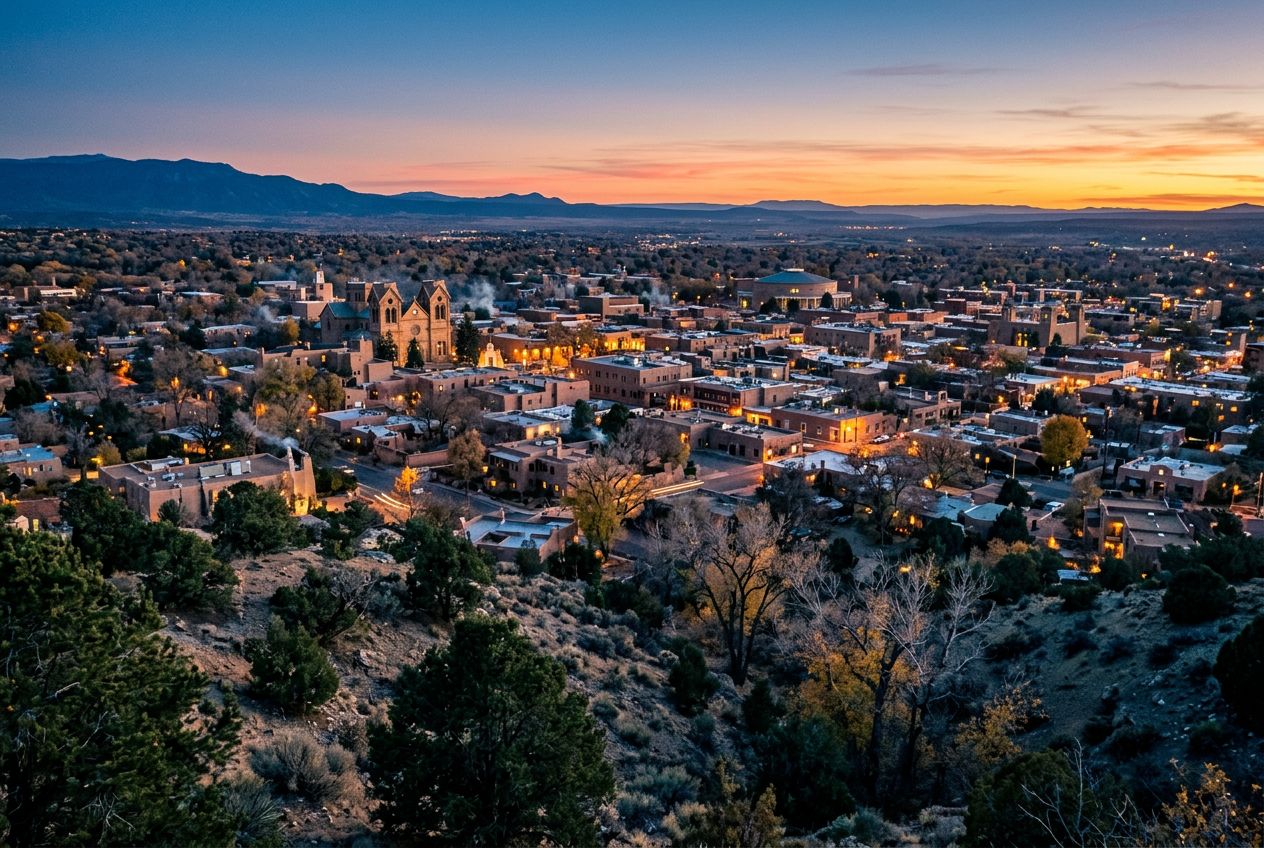
Santa Fe is known for adobe architecture, galleries along Canyon Road and the historic Plaza. Its old sites include the Palace of the Governors, the Cathedral Basilica and Loretto Chapel, while quiet alleys and courtyards reveal more art. The walk through the centre is short and easy on foot, with the Acequia Madre offering a calm path.
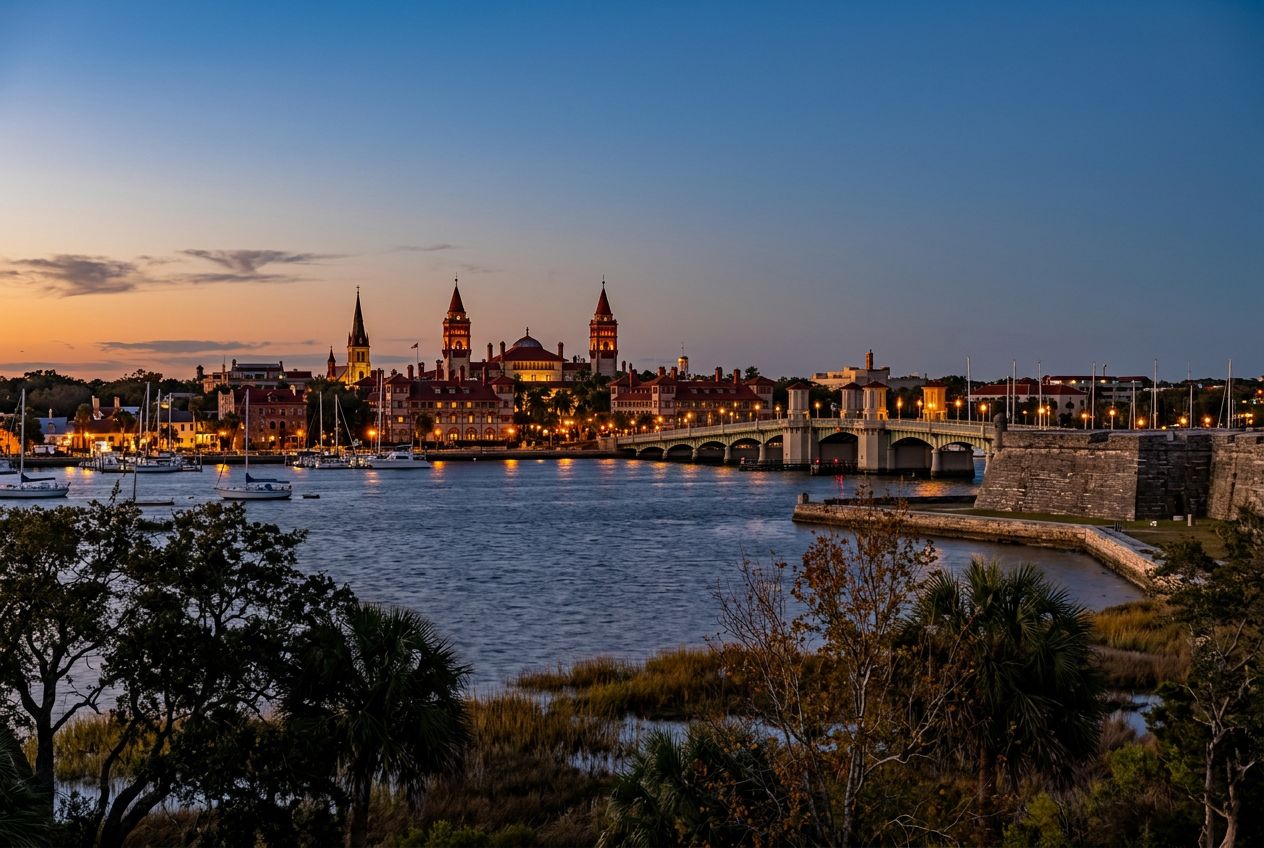
St. Augustine is a historic coastal city with the 17th-century Castillo de San Marcos overlooking Matanzas Bay. Its waterfront has the Bridge of Lions, a marina and the pedestrian lanes of the old town, including Aviles Street, described as America's oldest street. Wide waterside paths make it easy to run or cycle, with bay views at every turn.
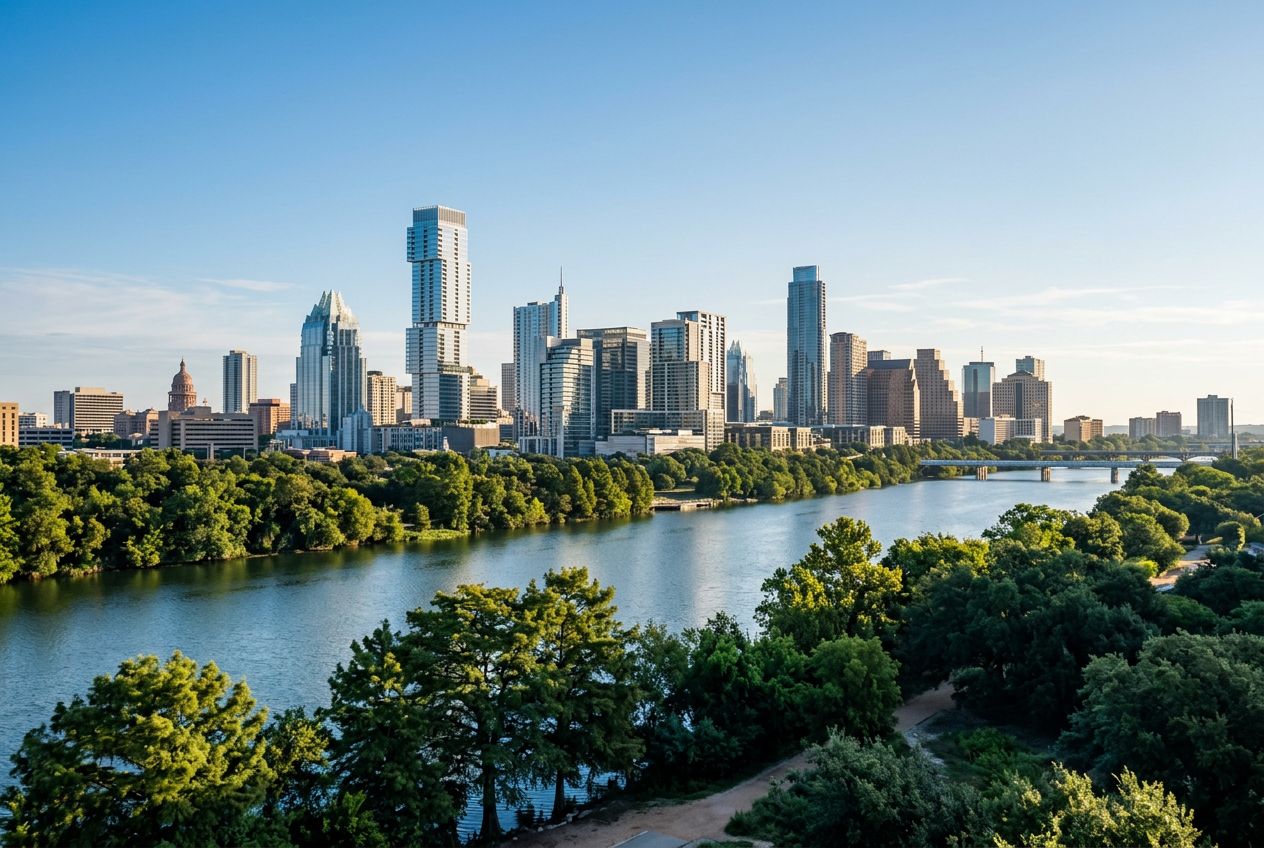
Austin is shaped by Lady Bird Lake, its skyline views and a lively East Side full of murals, sculptures and small galleries. Trails around the lake offer a ride or run with water views and a boardwalk section. Downtown parks and rooftop gardens make the city easy to explore on foot, with craft beer bars close by in the evening.
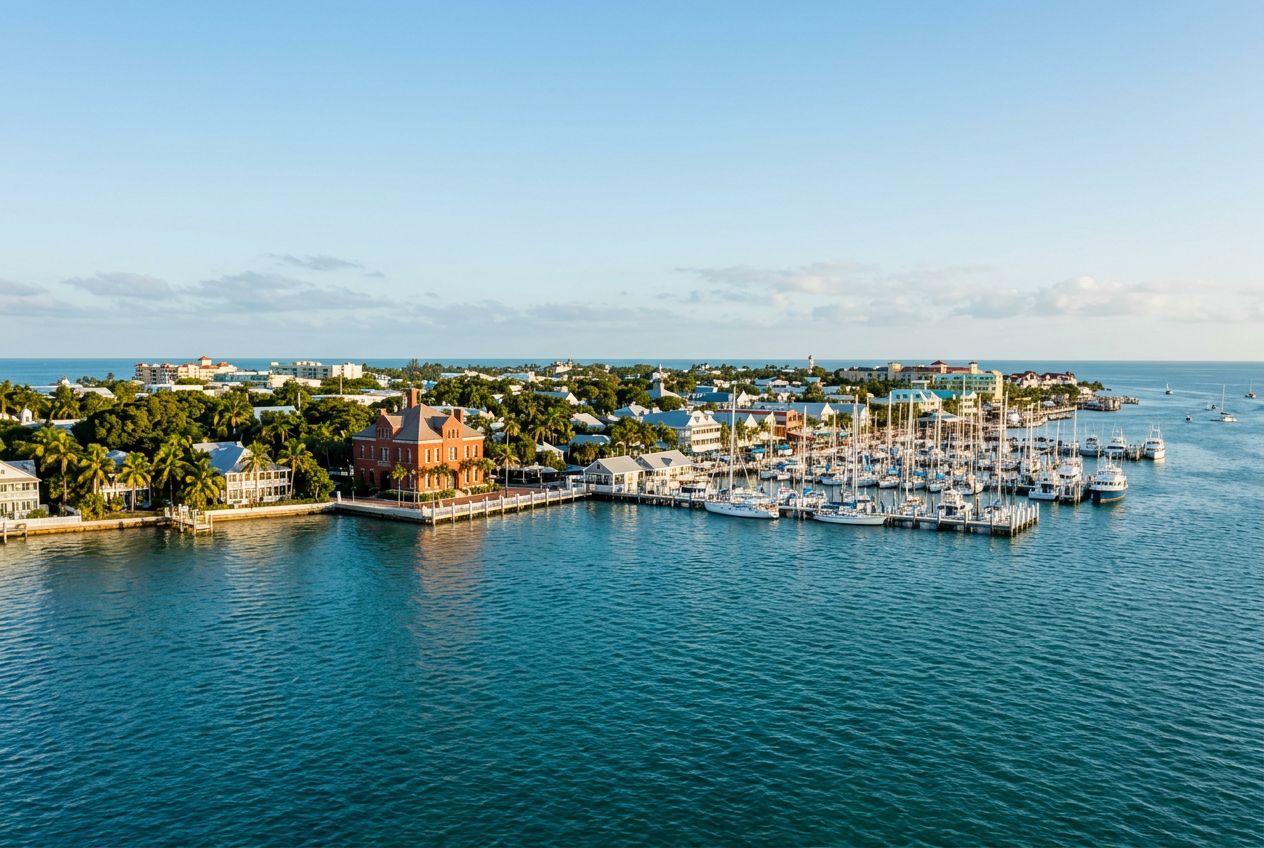
Key West's waterfronts and historic streets give a run its own pace, with Truman Waterfront Park, Fort Zachary Taylor and the Southernmost Point Buoy among the landmarks along the way. Around Bahama Village and Whitehead Street, colourful houses, small shops and the Hemingway Home add charm, and the White Street Pier offers panoramic ocean views for anyone on foot or by bike.
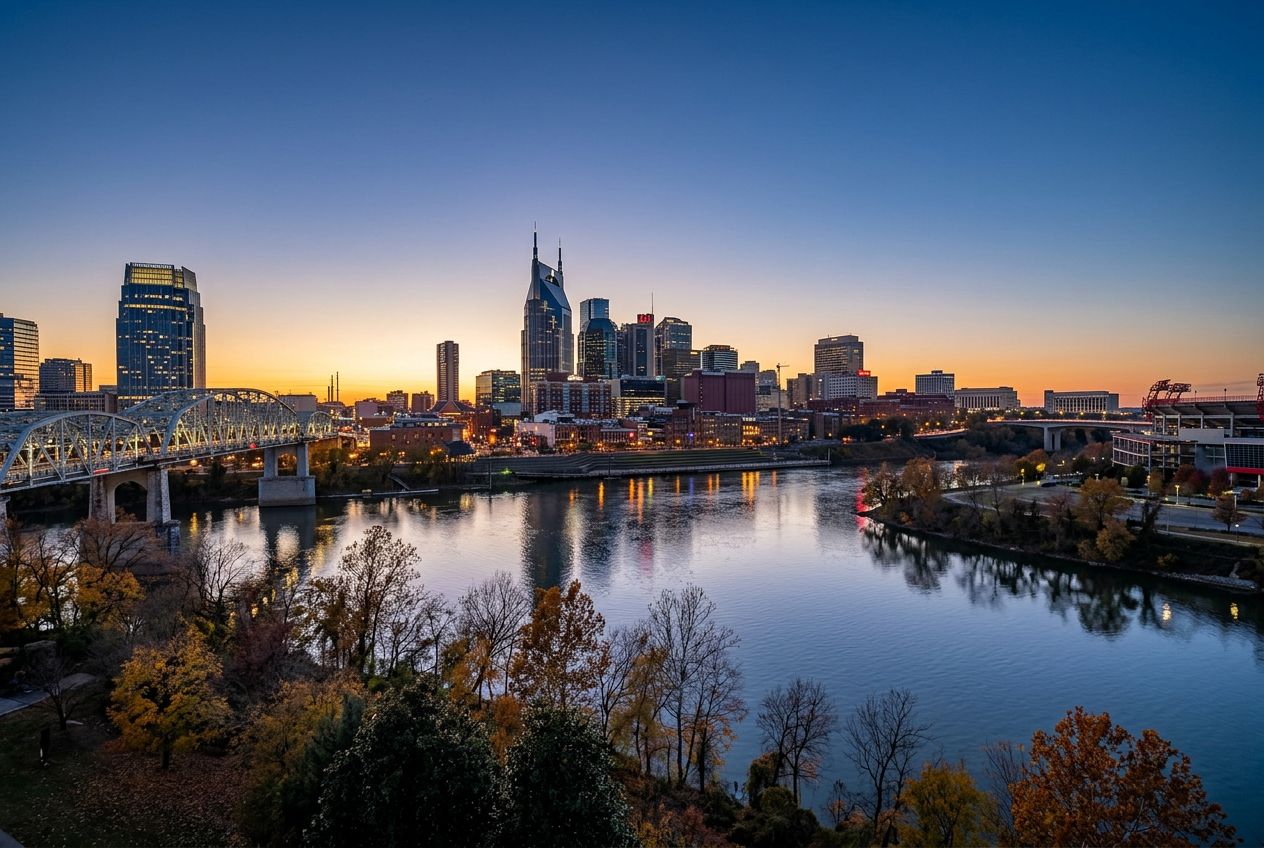
Nashville's riverside is shaped by the Cumberland River, where the John Seigenthaler Pedestrian Bridge gives sweeping skyline views. Greenways and the Bicentennial Capitol Mall State Park lead toward the State Capitol, while Printers Alley and the Ryman Auditorium bring the city's music history into focus. Fort Nashborough recalls the city's first settlement, and the paths suit a relaxed bike ride or a walk.
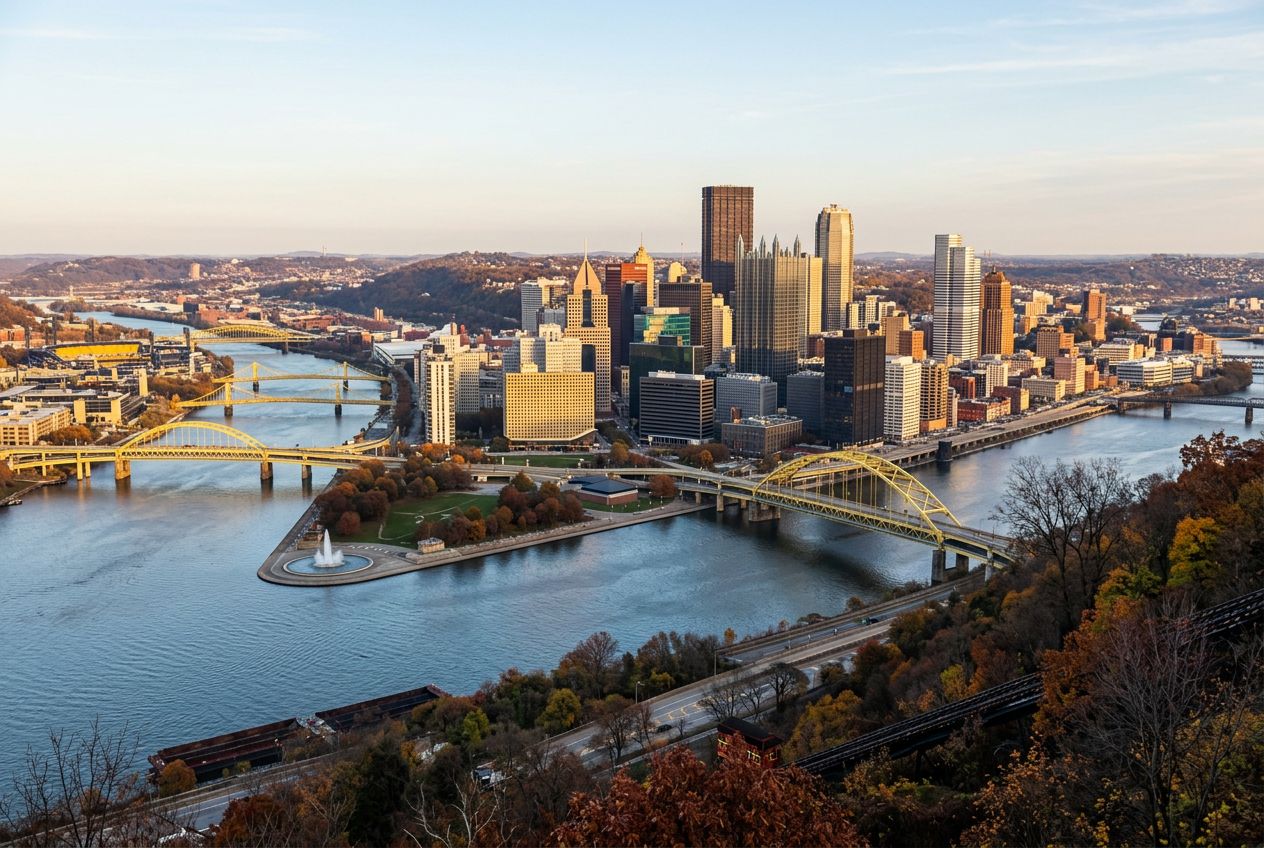
Pittsburgh sits where the Allegheny and Monongahela rivers meet, and its bridges, stadiums and downtown skyline shape many routes. Point State Park marks the confluence, and wide riverfront trails run along both banks. Hills, old taverns and speakeasies add character, and the city is easy to explore on foot, by bike or on a run.

Salt Lake City lies between green canyons and the Wasatch Mountains, with City Creek running through its parks and downtown. Its historic core holds Temple Square, the Utah State Capitol and the pioneer-era Beehive House and Lion House. Car-free paths along City Creek and the Jordan River make the city pleasant to walk, run or cycle.
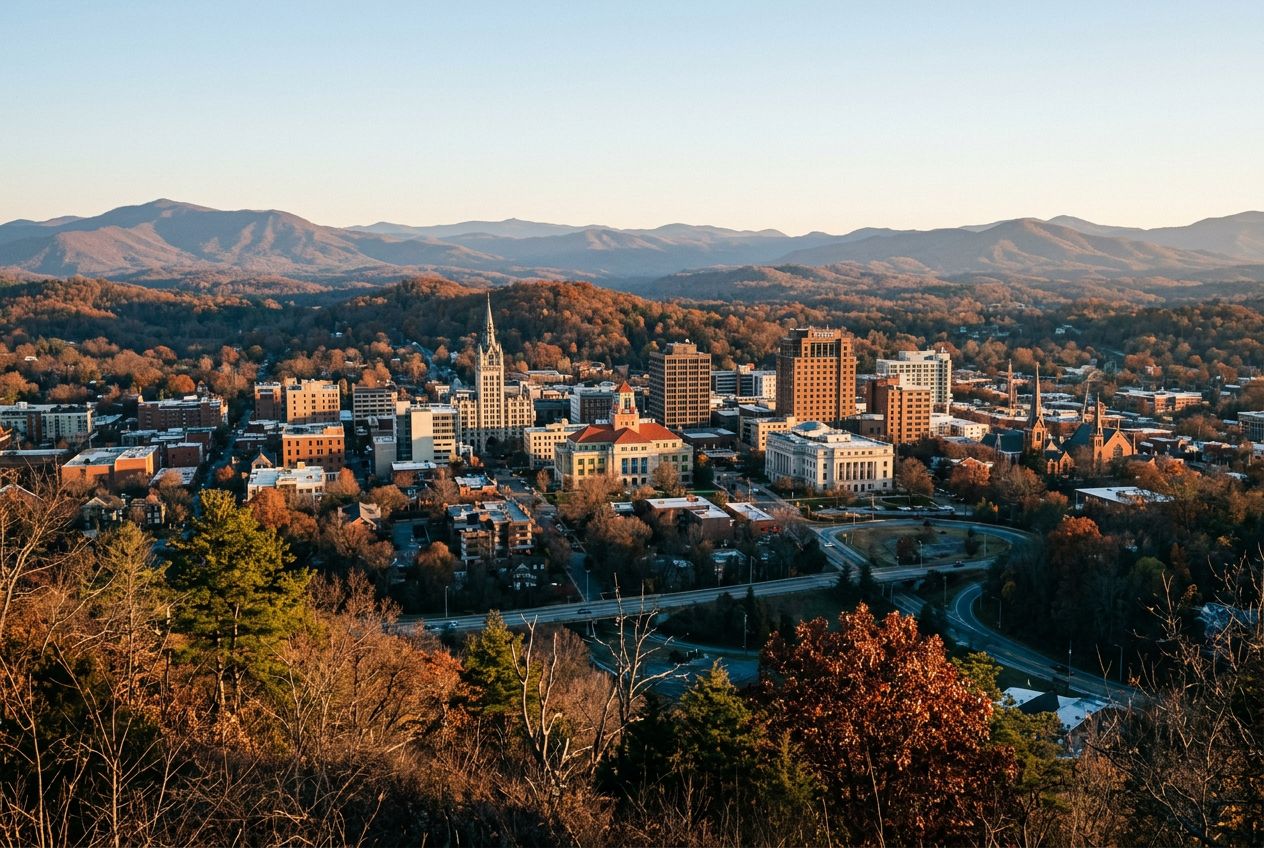
Asheville's character comes from the French Broad River, its greenways and the creative River Arts District. Long paths follow the water through parks like Carrier Park and along quieter stretches such as Hominy Creek. Walkers, runners and cyclists can all find a calm route here, with murals and studios along the way.
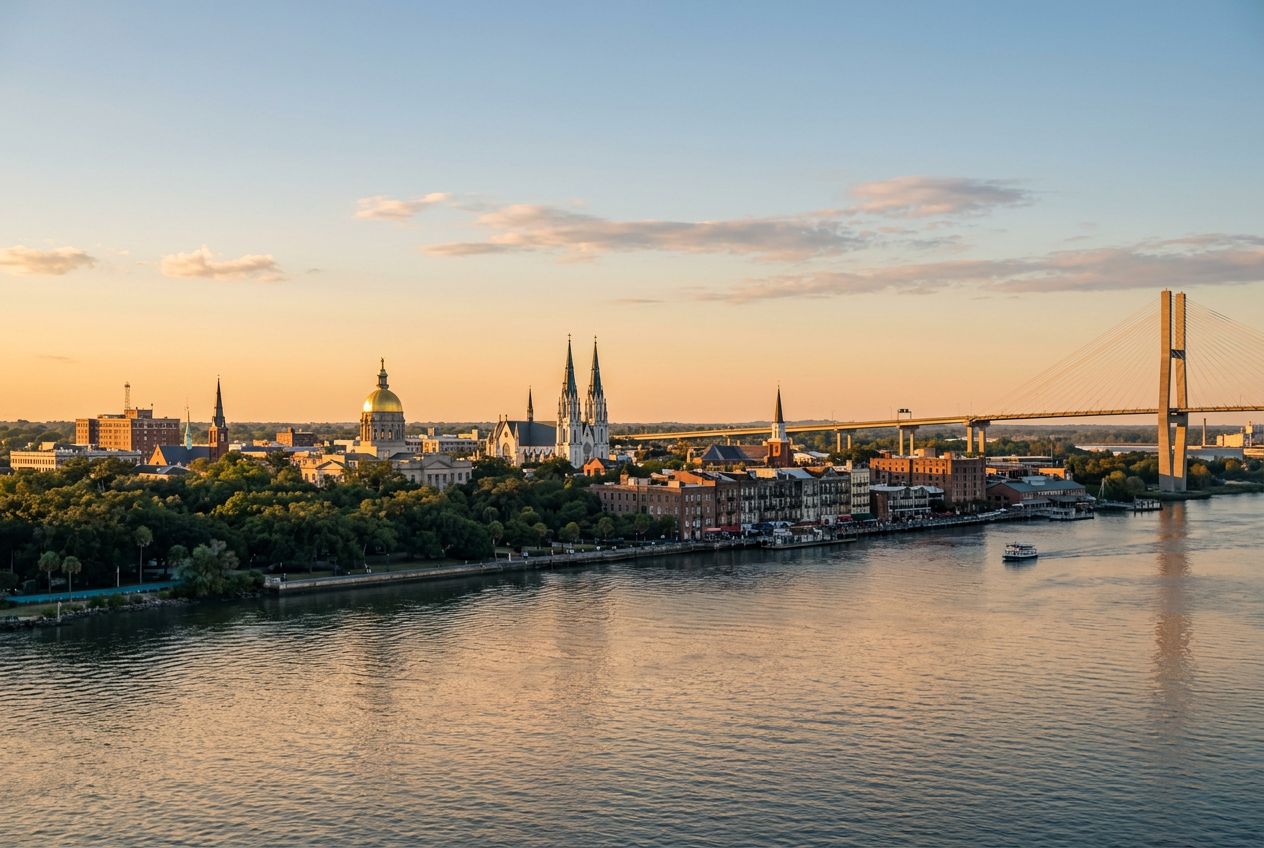
Savannah's streets are shaped by its historic squares, with Forsyth Park and its fountain at the heart of the city. The Savannah River shapes the waterfront, where River Street, Eastern Wharf and the Riverwalk offer views of passing ships. Its squares and car-free paths suit walking, running or cycling at an unhurried pace.

Sedona is a town of red rock formations, with Coffeepot Rock and Thunder Mountain rising above its neighborhoods and parks. Quiet residential roads and paths make it easy to explore by run or bike, with wide views opening up at almost every turn. The city noise tends to fade once you reach the open scenery beyond the streets.
8 cities
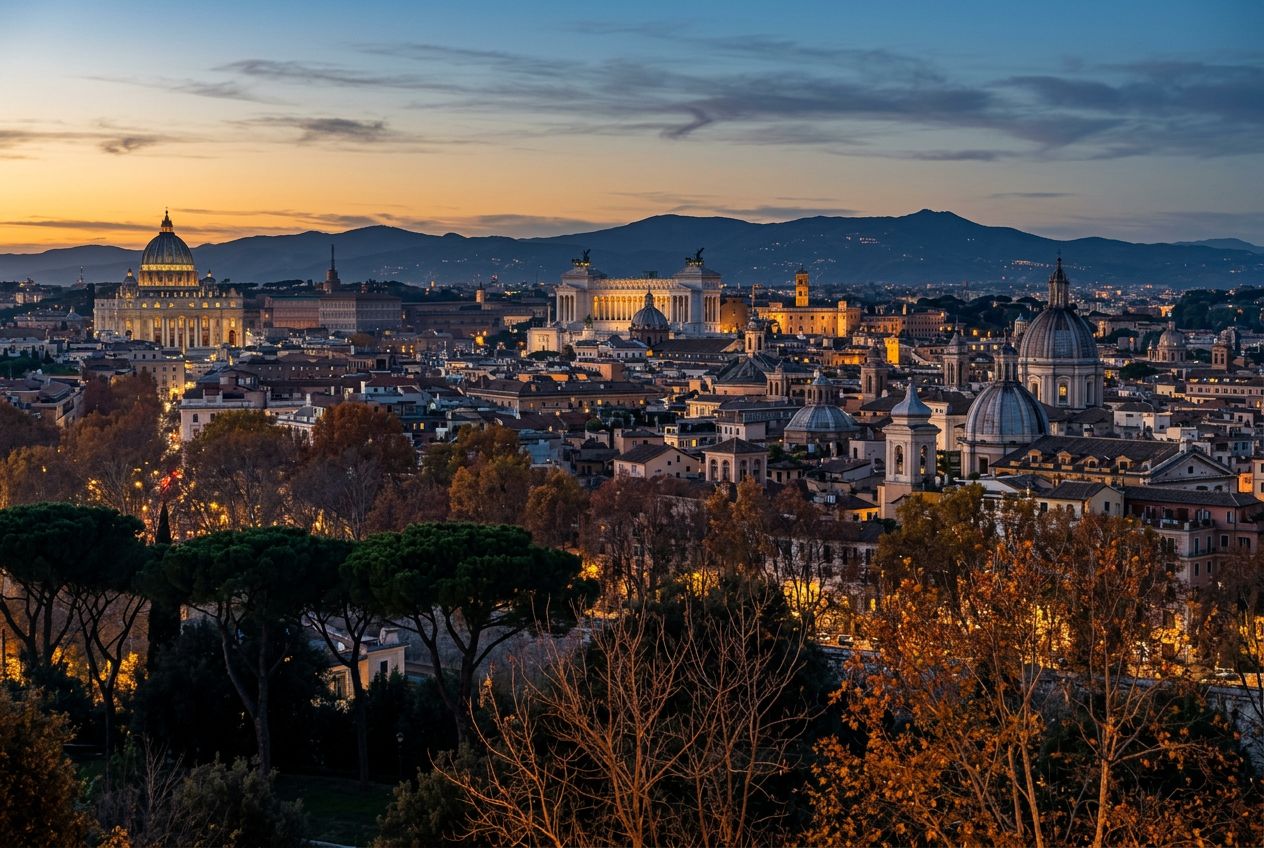
Rome's landmarks, from the Pantheon to the Trevi Fountain, stand among streets layered with ancient and Baroque history. The Tiber River and the Villa Borghese gardens provide greener, quieter routes, with views from the Pincio Terrace. Narrow lanes in Trastevere and around Piazza Navona reward slow walks, runs and bike rides.
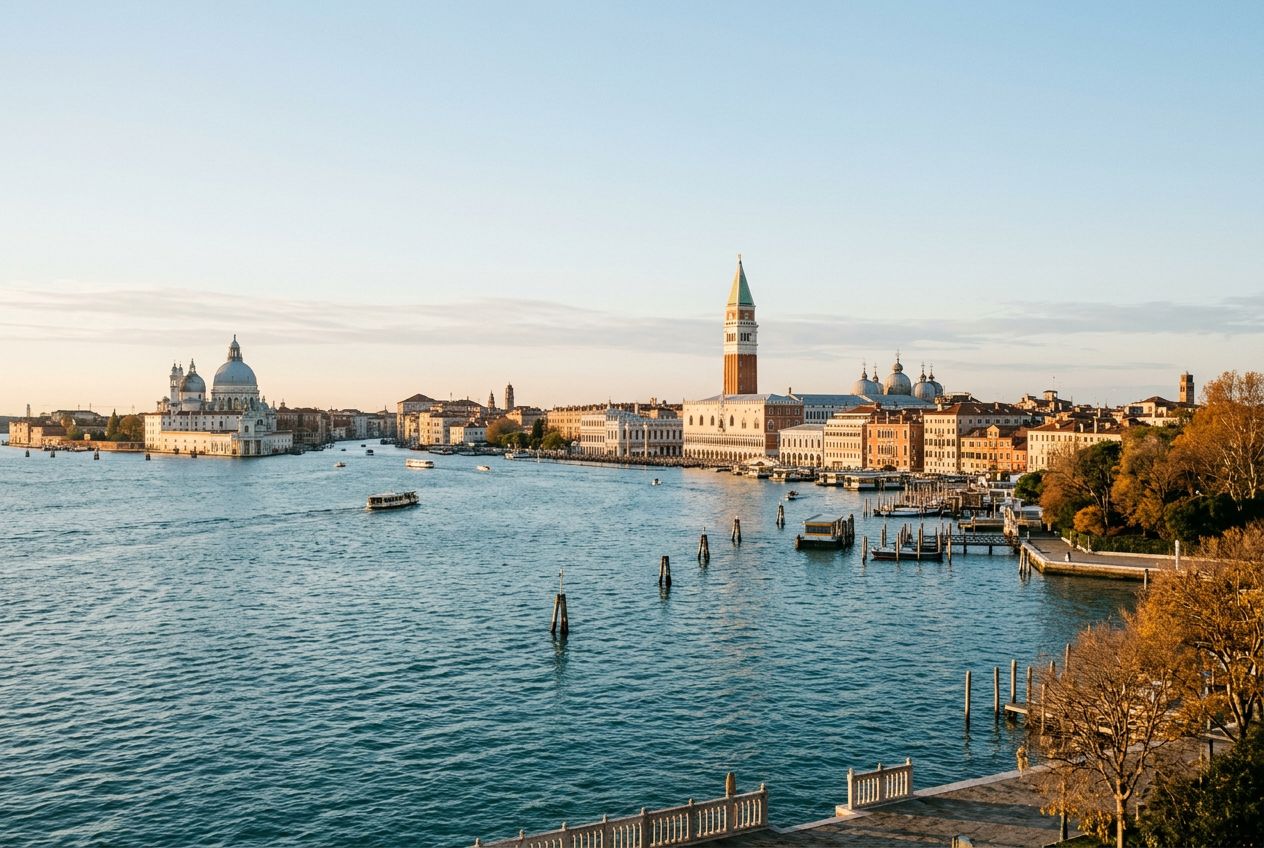
Canals shape Venice, and its broad waterfront at Riva degli Schiavoni offers wide lagoon views while the Giardini della Biennale provides rare green space. Quieter lanes around Campo dei Mori and Fondamenta della Misericordia reveal street art, small galleries and ornate palace facades. Lido's sea walls and lagoon paths suit a bike ride, and the waterfront suits a run.
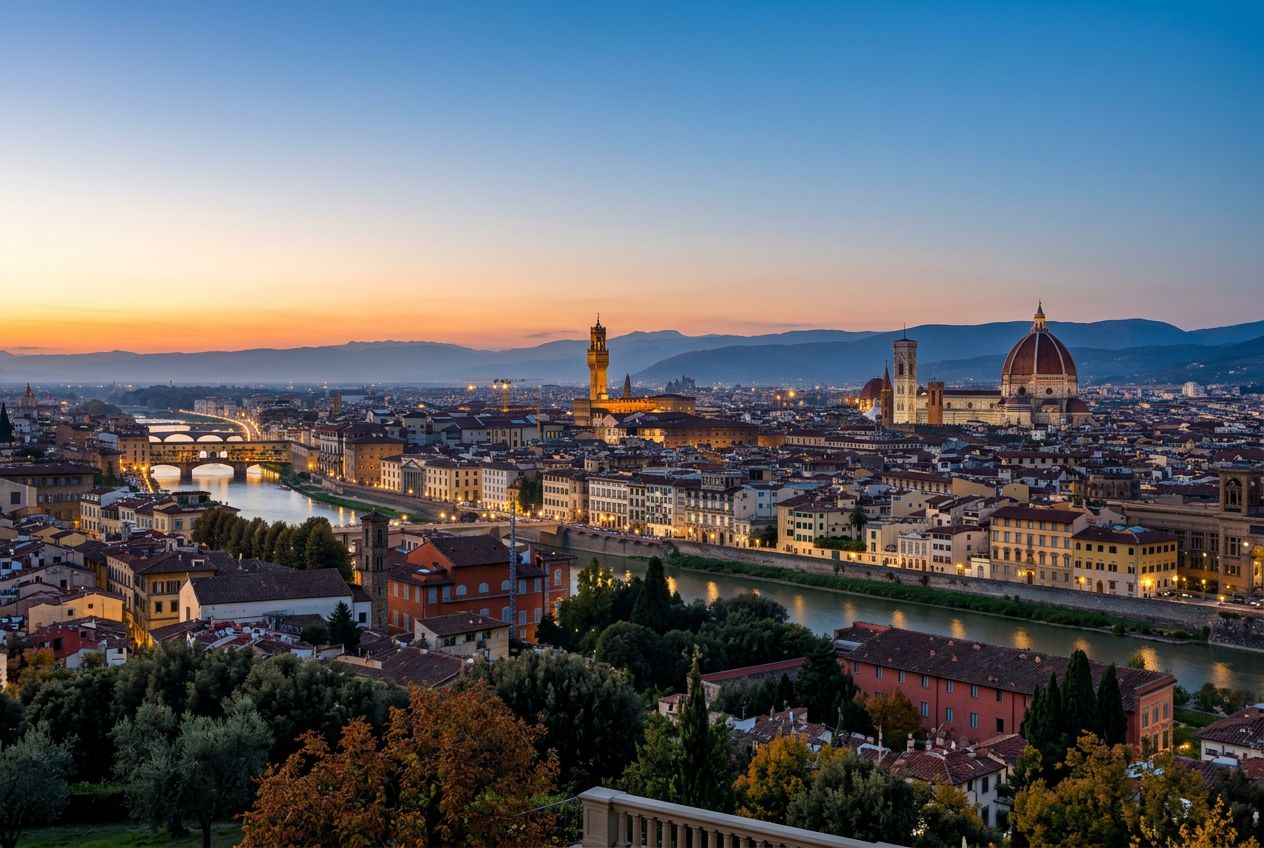
Florence's character comes from its Renaissance art, its bridges and the Arno River running through the centre. Its best-known sights include the Duomo, Piazza della Signoria, the Ponte Vecchio and Piazzale Michelangelo. Riverside paths along the Arno and quiet Oltrarno lanes make walking, running and cycling here a calm way to see the city.
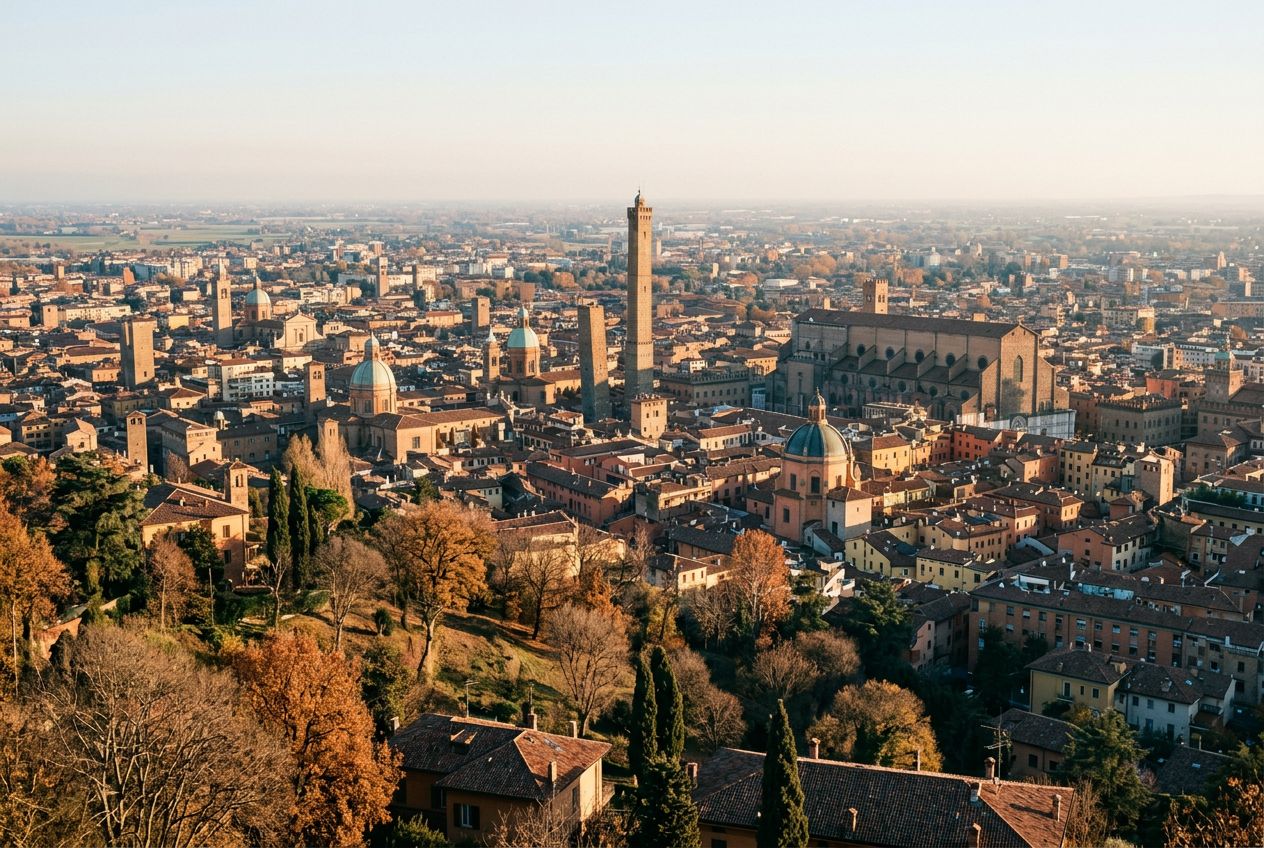
Bologna is known for its medieval towers, its university and its lively nightlife on Via del Pratello. Piazza Maggiore, the Basilica di San Petronio and the Quadrilatero market sit at its heart. Narrow alleys, the hidden Finestrella di Via Piella and quiet parks such as Giardini Margherita give the city a relaxed pace for walkers and cyclists.
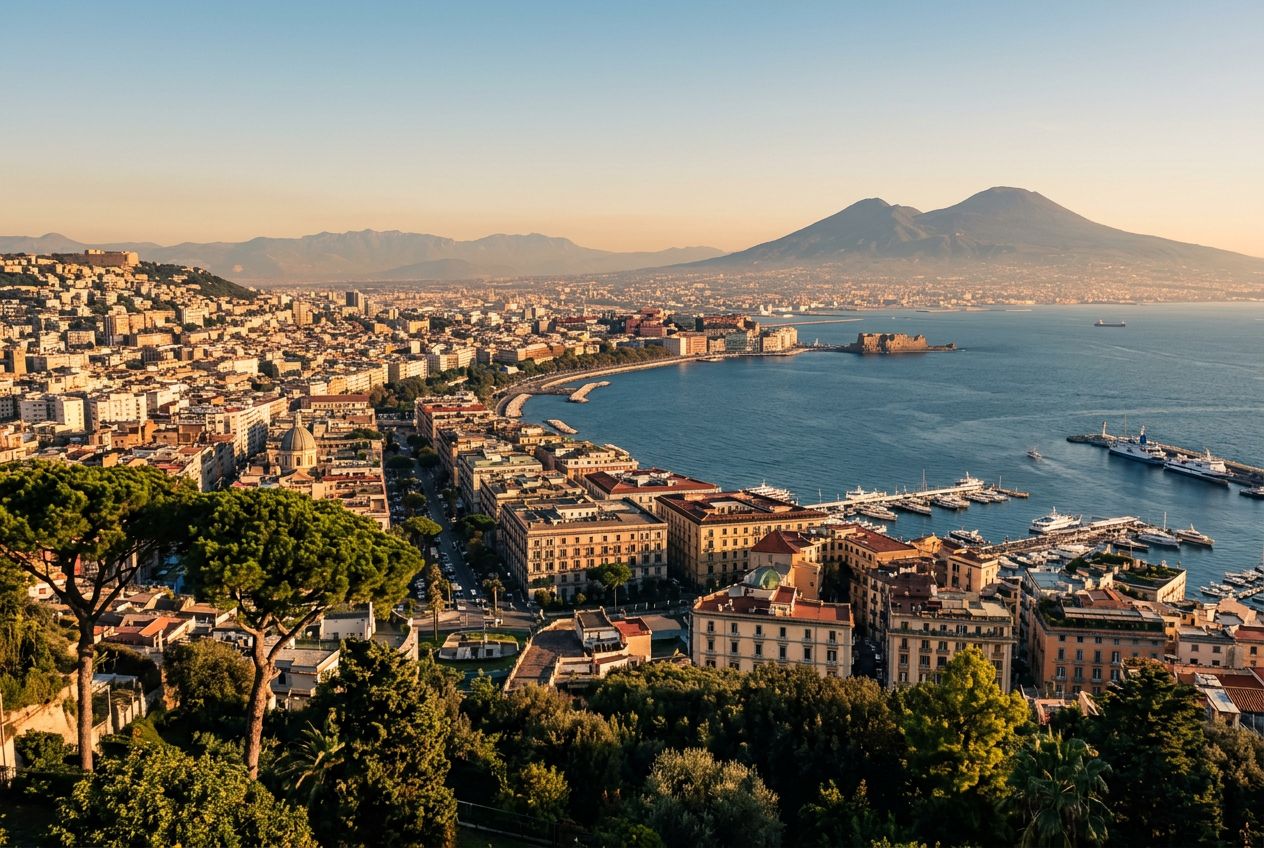
Naples runs along a bay where the Castel dell'Ovo, Villa Comunale and the Lungomare offer sea views and Vesuvius on the horizon. Its narrow alleys around San Domenico Maggiore and Via San Gregorio Armeno are full of street art, nativity workshops and ornate courtyards. Piazza del Plebiscito and the Galleria Umberto I add grander stops, and the waterfront is good for cycling or a run.
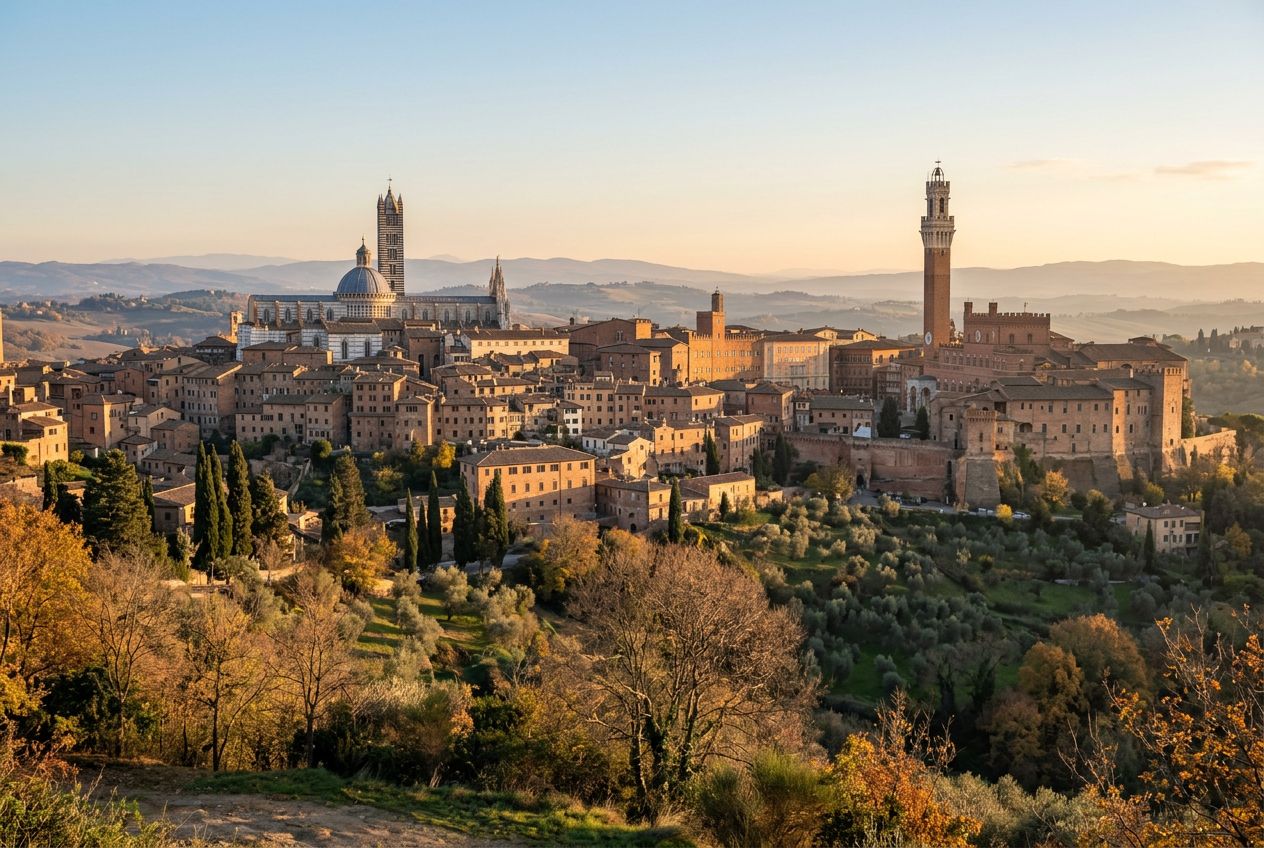
Siena is built around the shell-shaped Piazza del Campo, where the Palio horse race is held, and its Gothic Duomo rises nearby. Medieval lanes lead past old fountains, the Fortezza Medicea and gardens such as the Orto de' Pecci. Its city walls and terracotta rooftops make a wide, varied route on foot, by bike or on a run.
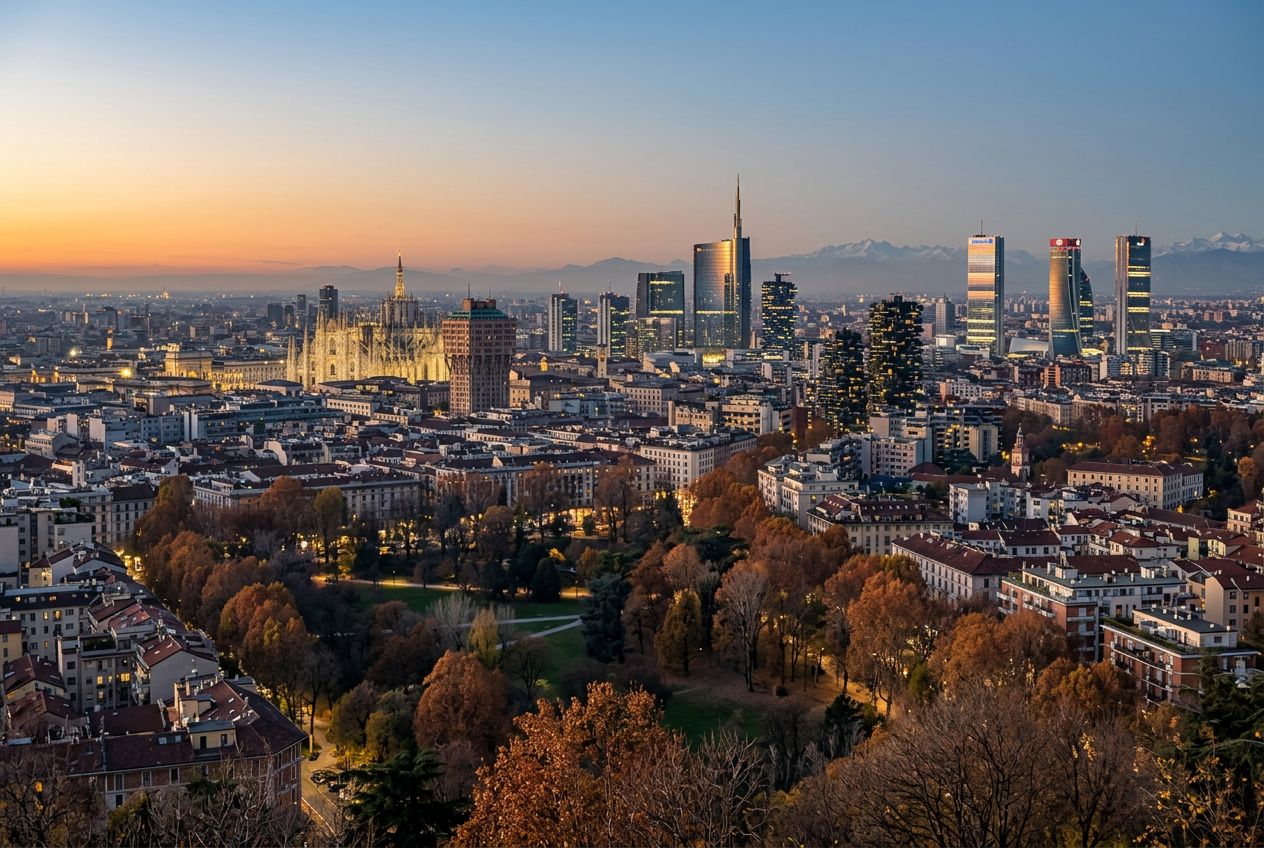
Milan mixes canal-side charm with grand landmarks like the Duomo, the Galleria Vittorio Emanuele II and Sforza Castle. The Navigli canals, Brera's cobbled streets and the greenery of Parco Sempione add a quieter, leafier side. Its cycle lanes and park paths make the city easy to enjoy on foot, by bike or on a run.
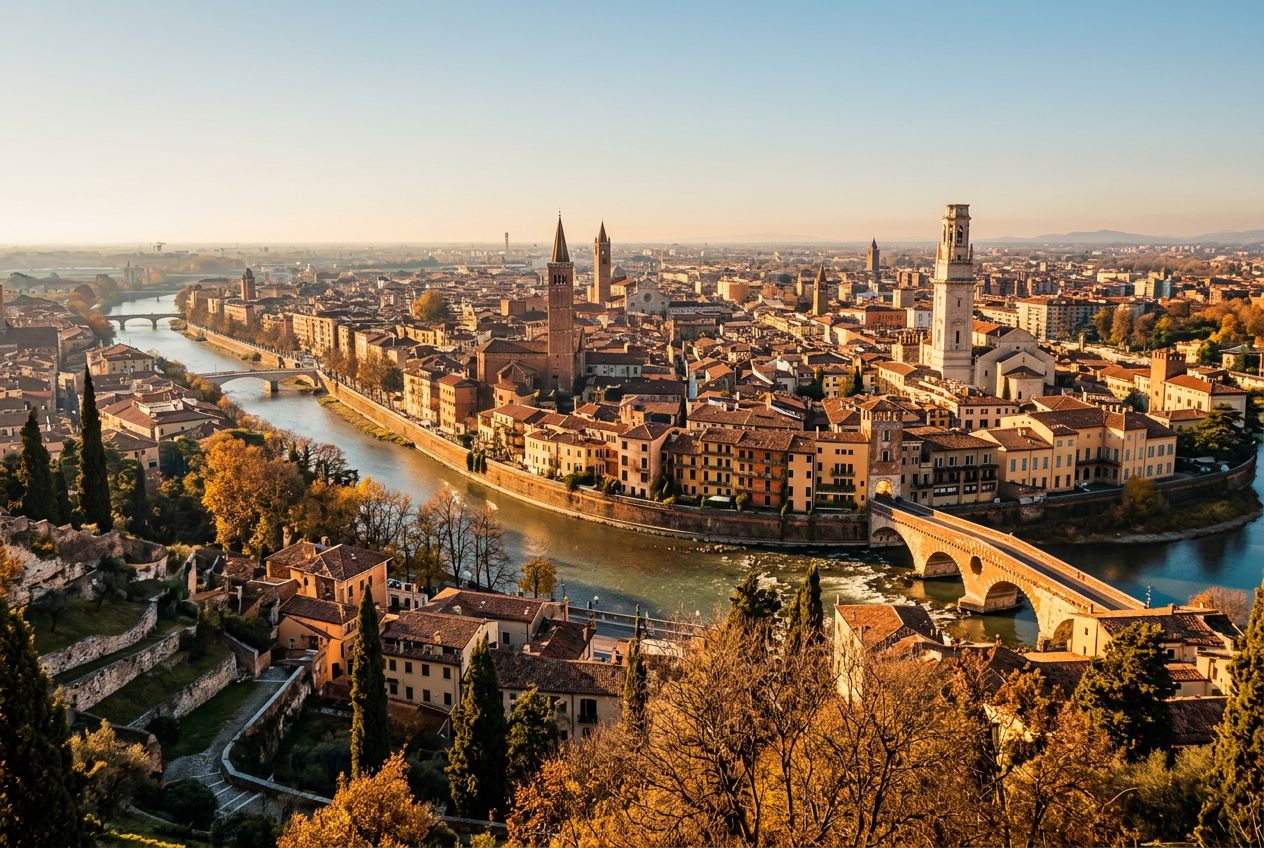
Verona's Adige riverside is a pleasant place to walk, run or cycle, with old bridges like Ponte Pietra offering views of the hills and rooftops. The Roman Arena stands in Piazza Bra, while Piazza delle Erbe and the Scaliger Tombs bring together market life and Gothic carving. Juliet's House draws visitors to its courtyard, and quiet lanes hide murals and courtyards.
5 cities
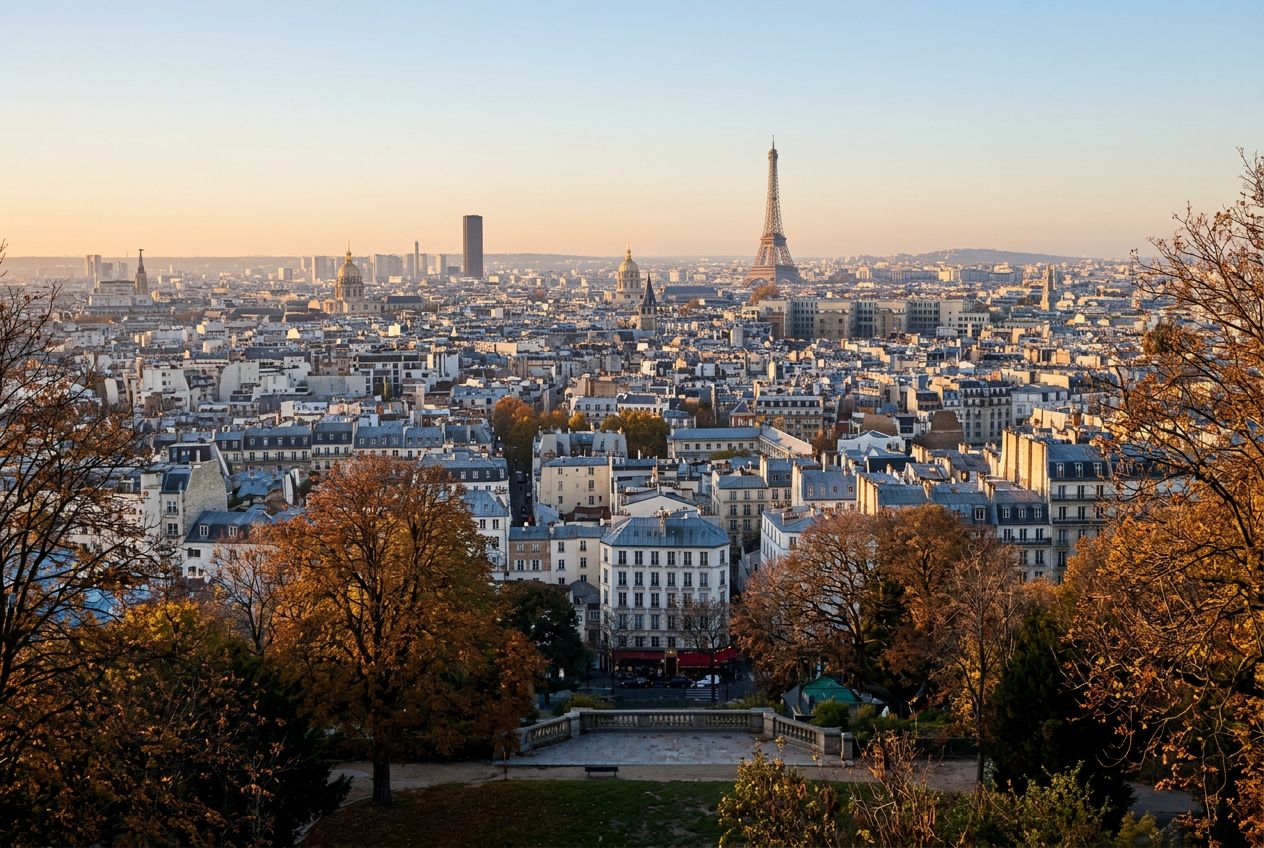
Paris is best known for the Seine, its royal gardens and bridges such as the Pont des Arts and Pont Alexandre III. Quieter corners include the covered Galerie Vivienne and the narrow Rue du Chat qui Pêche in the Latin Quarter. Along the riverbanks, walking, running or cycling brings views of the Louvre and the Eiffel Tower.
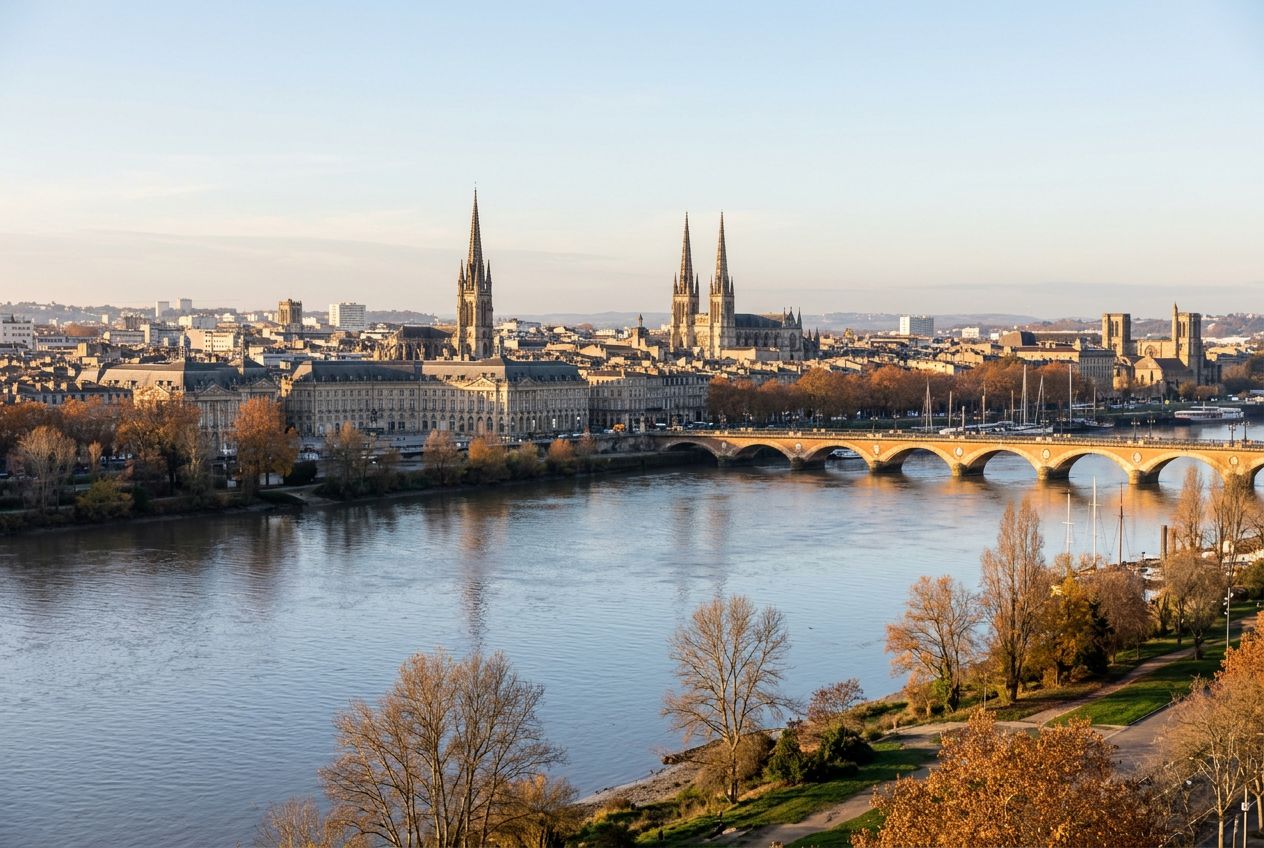
Bordeaux's character comes from its 18th-century Place de la Bourse, the reflecting pool beside it, and the Garonne running past. Old gates, the Cathedrale Saint-Andre and quiet courtyards such as Cour Mably tell its medieval story. Car-free riverside paths and the Jardin Public make it a good city to walk, run or cycle.
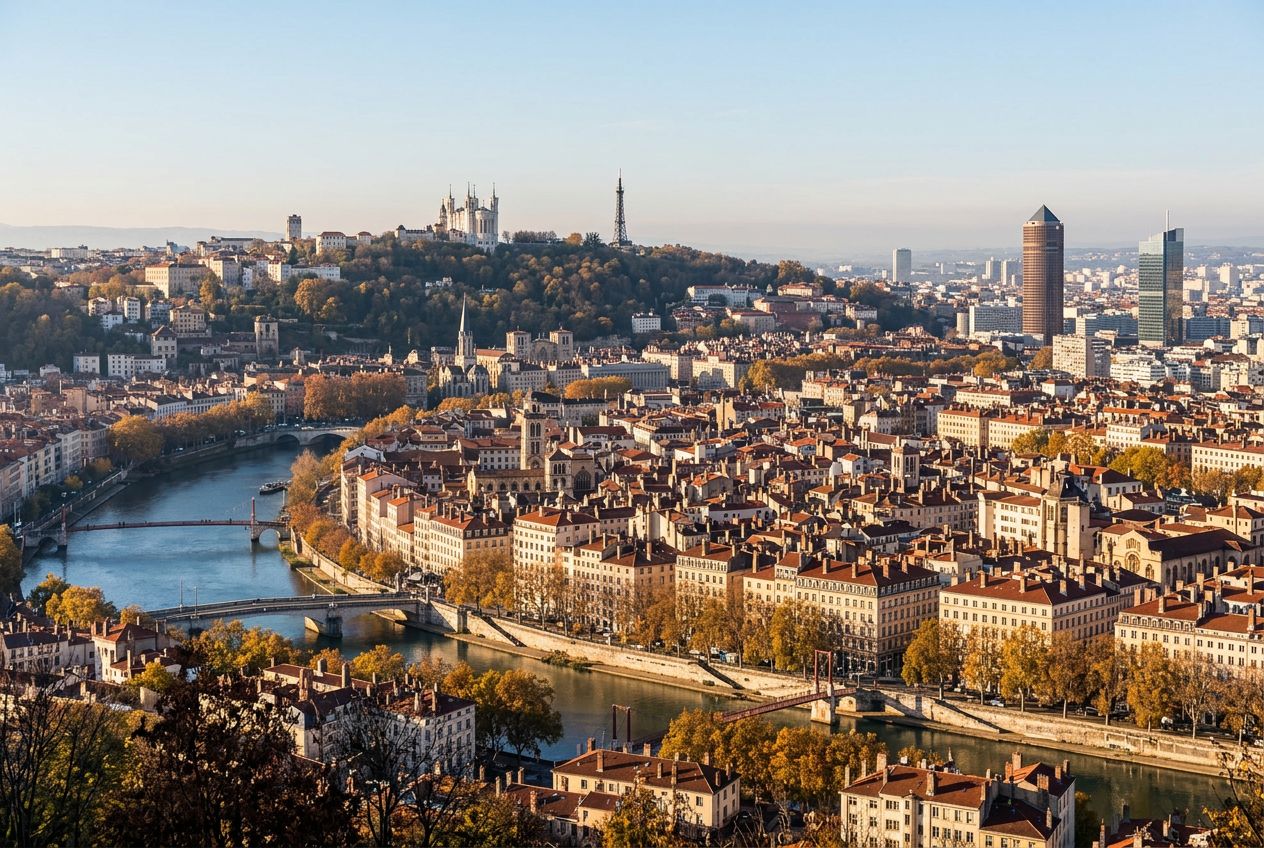
Lyon is shaped by its two rivers, the Rhône and the Saône, and by its silk-weaving past. Old Lyon's traboules, secret passageways linking courtyards, lead through Renaissance streets, while the Croix-Rousse district is known for its murals and hidden gardens. Its large Parc de la Tête d'Or and riverside paths make running and cycling easy.
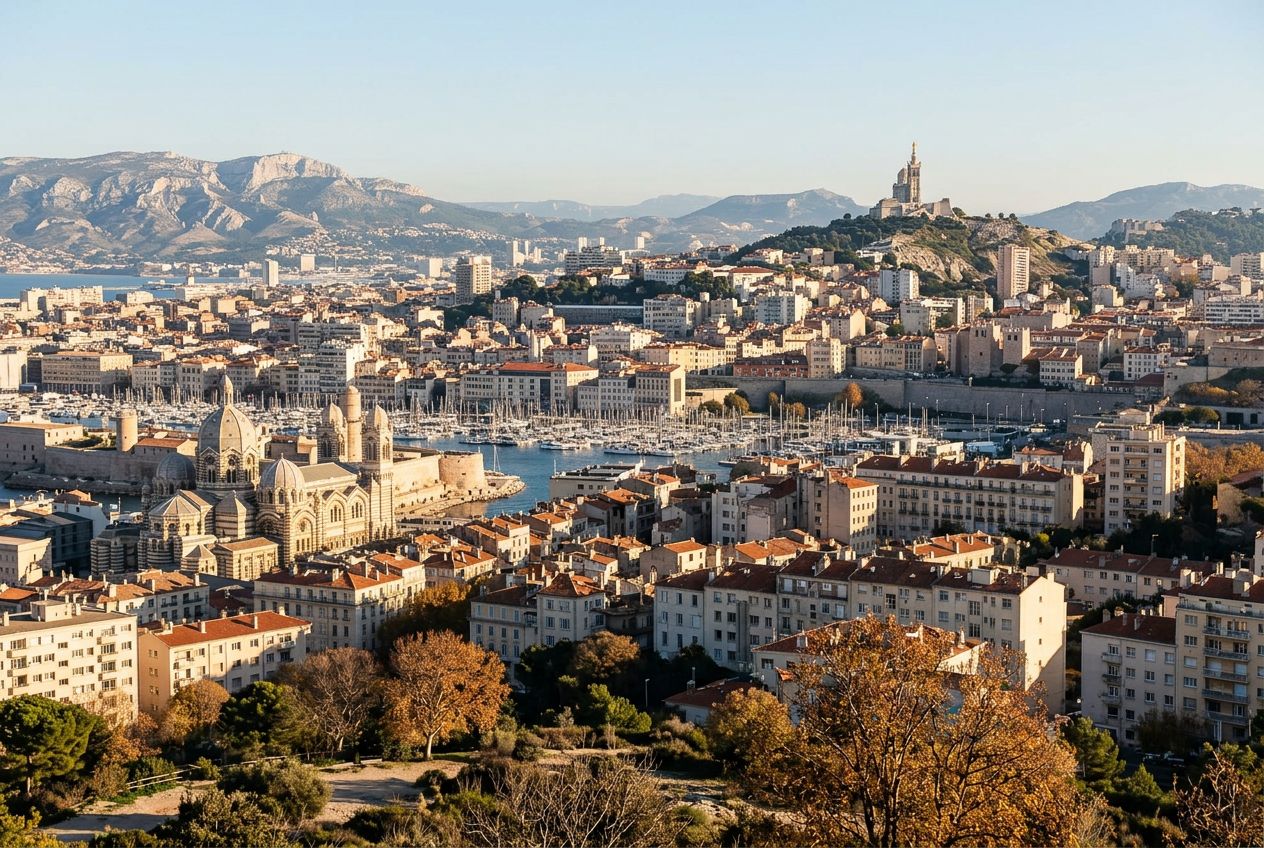
Marseille is a port city of old stone streets, fishing harbours and sea views. Le Panier, its oldest district, is full of street art, squares and the Vieille Charité, while the Vieux Port and Fort Saint-Jean look out over the Mediterranean. Wide coastal promenades along the Corniche and Plage des Catalans make it a good place for walking, running or cycling.
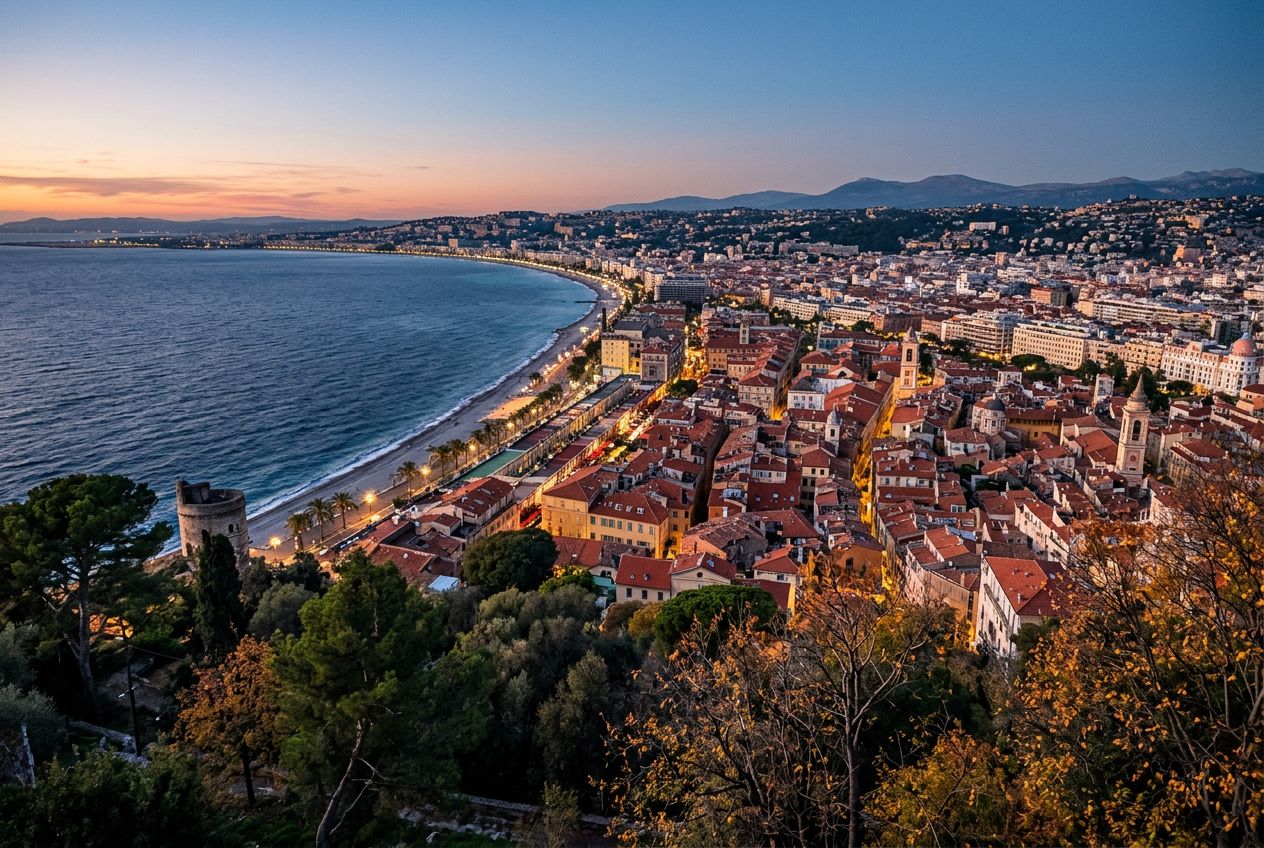
Nice sits on the Baie des Anges, with the Promenade des Anglais running along the sea and the Promenade du Paillon cutting through the city. The old town's colourful facades and the Port Lympia harbour give a lively contrast to the views from Castle Hill. Place Masséna and the Cours Saleya market are good stops, and the seafront path works well for a run or a bike ride.
7 cities
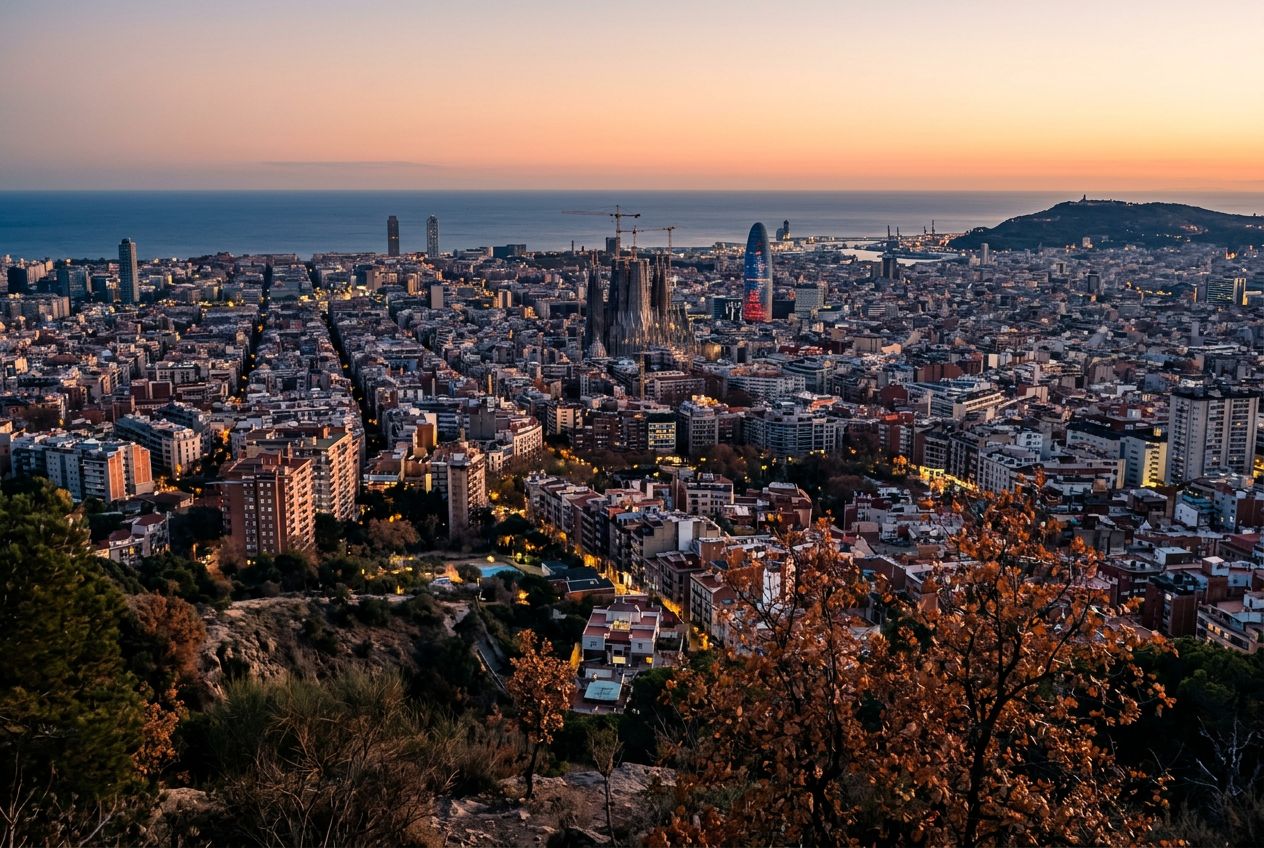
Barcelona combines a coastline of beaches and promenades with green parks like Ciutadella and the old lanes of El Born. Monuments such as the Arc de Triomf, the Cascada and the Columbus Monument stand along wide boulevards. Car-free paths along the sea and through the park make it easy to walk, run or ride.
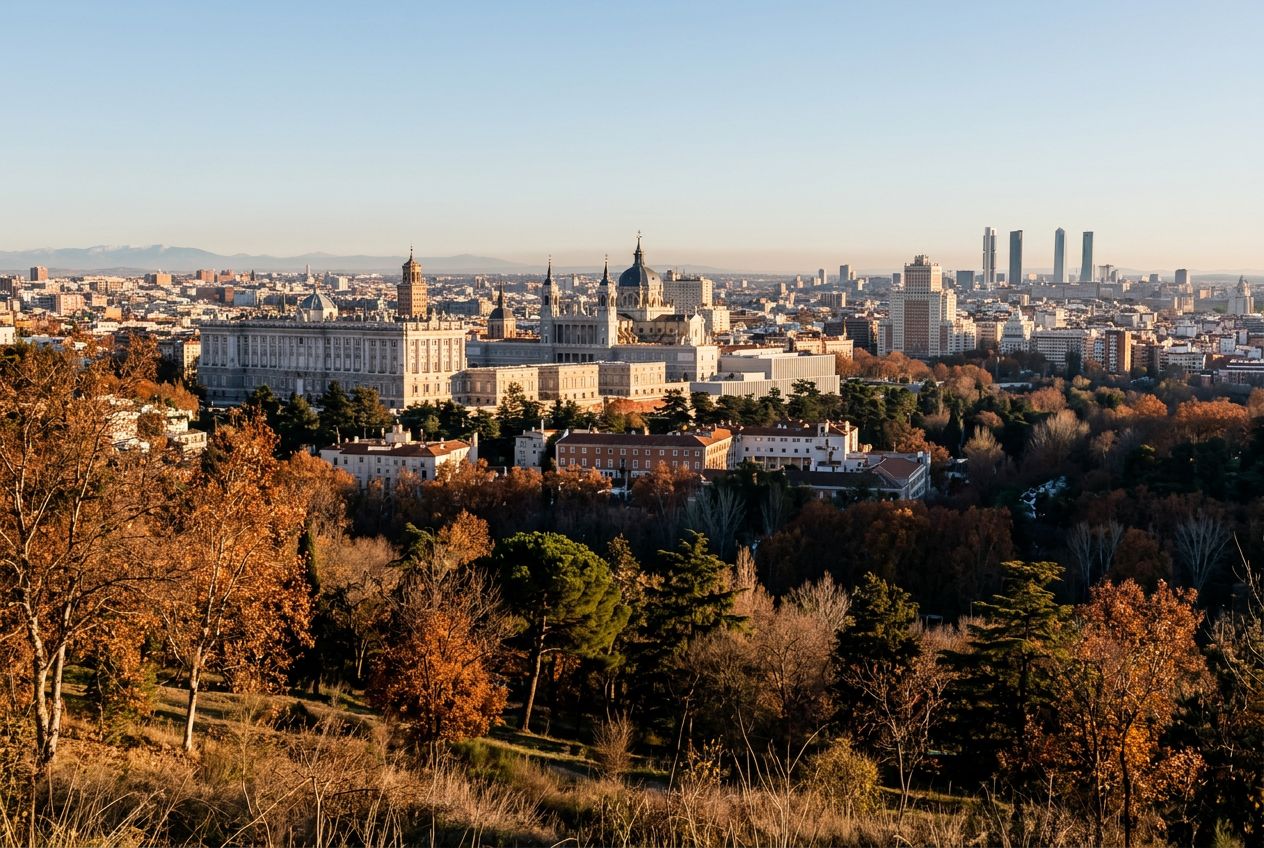
Madrid's character comes from its royal palaces, lively squares and narrow old lanes. Plaza Mayor, the Royal Palace and Plaza de Oriente stand near the older quarters of La Latina and Cava Baja, where medieval streets and historic taverns sit side by side. The Manzanares riverside and Retiro Park offer calm routes for cycling and running.
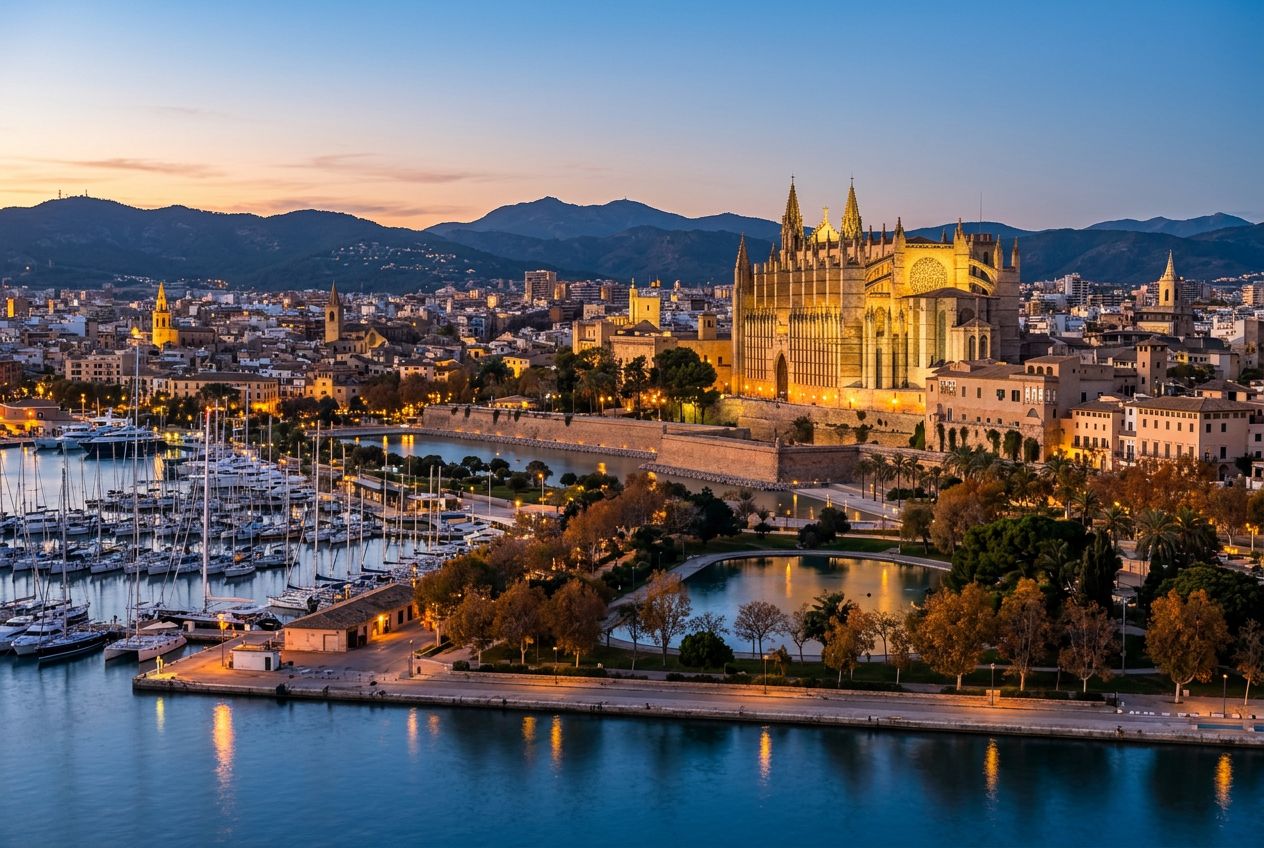
Palma de Mallorca is shaped by its Gothic cathedral, La Seu, which rises above a waterfront park with a large lake. Old city walls, the Arab Baths and the exchange building La Llotja add layers of history, and a run along the bay leads to the former fishing village of Portixol. The city works well on foot, by bike or on a run.
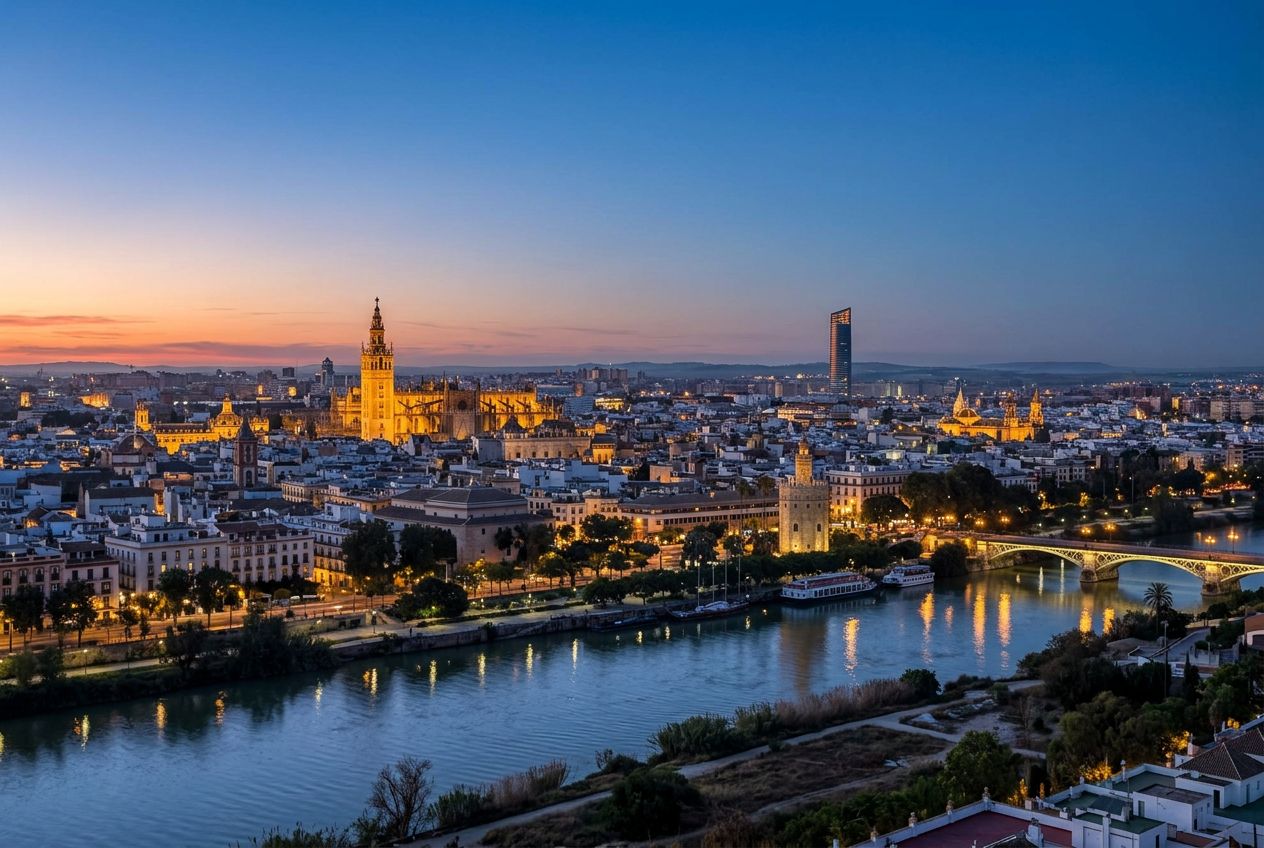
Seville is known for its riverside setting on the Guadalquivir, the grand Plaza de España and the leafy Parque de María Luisa. Its historic quarters hold the Royal Alcázar, the cathedral and the Barrio Santa Cruz, with narrow lanes and quiet squares. Walking, running or cycling along the river gives a good sense of the city's history and its Triana neighborhood across the water.
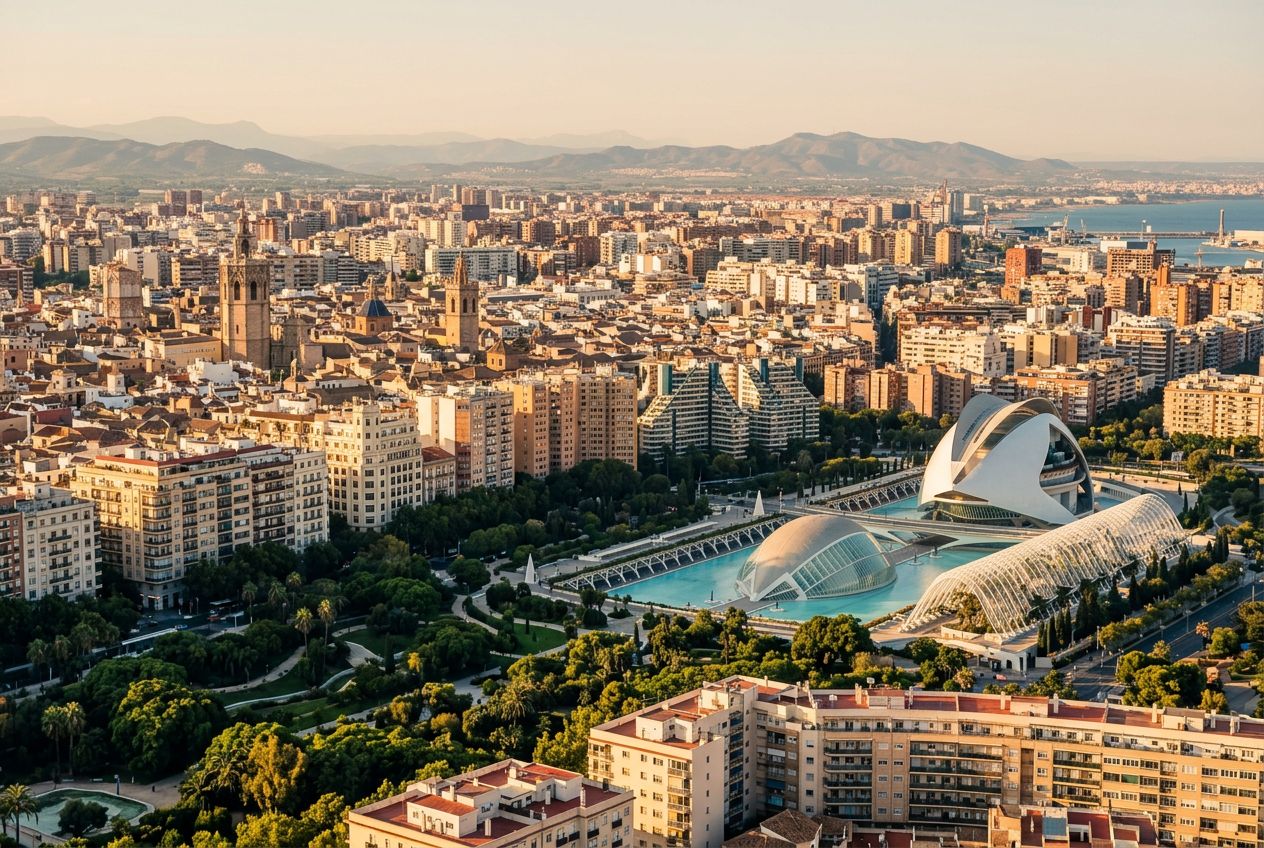
Valencia combines old lanes with a modern waterfront, where the City of Arts and Sciences, the Turia Gardens and the port and beaches sit within easy reach. The Plaza de la Virgen, the Cathedral and the Central Market anchor its historic centre, while El Carmen rewards walkers with street murals and galleries. Its green riverside and Malvarrosa promenade suit walks, runs and bike rides.
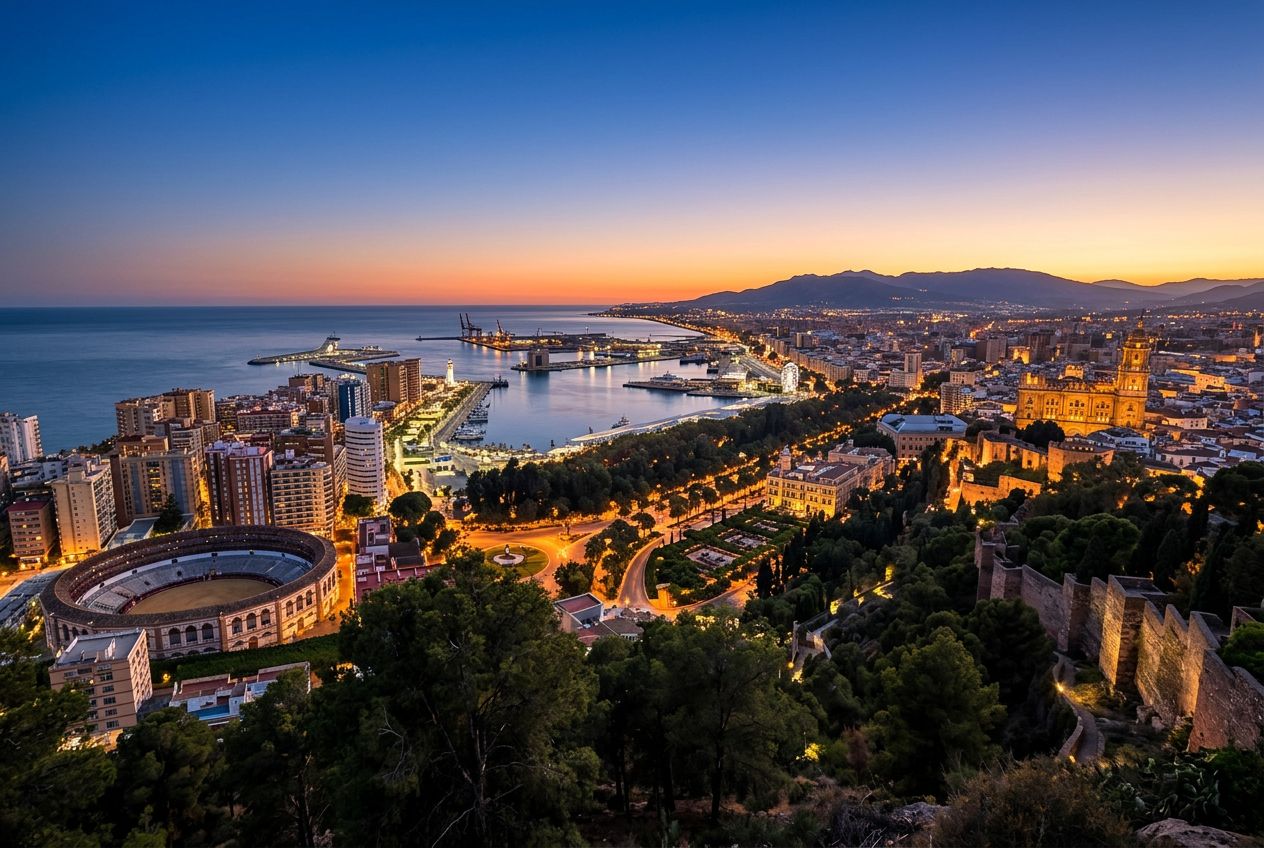
Malaga blends ancient ruins with a lively seafront, where the Roman Theatre sits near the Moorish Alcazaba fortress. Picasso's birthplace on Plaza de la Merced and the pedestrian Calle Larios give the historic centre a creative, sociable feel. Car-free promenades along the port and Malagueta Beach make it easy to explore on foot, by bike or on a run.
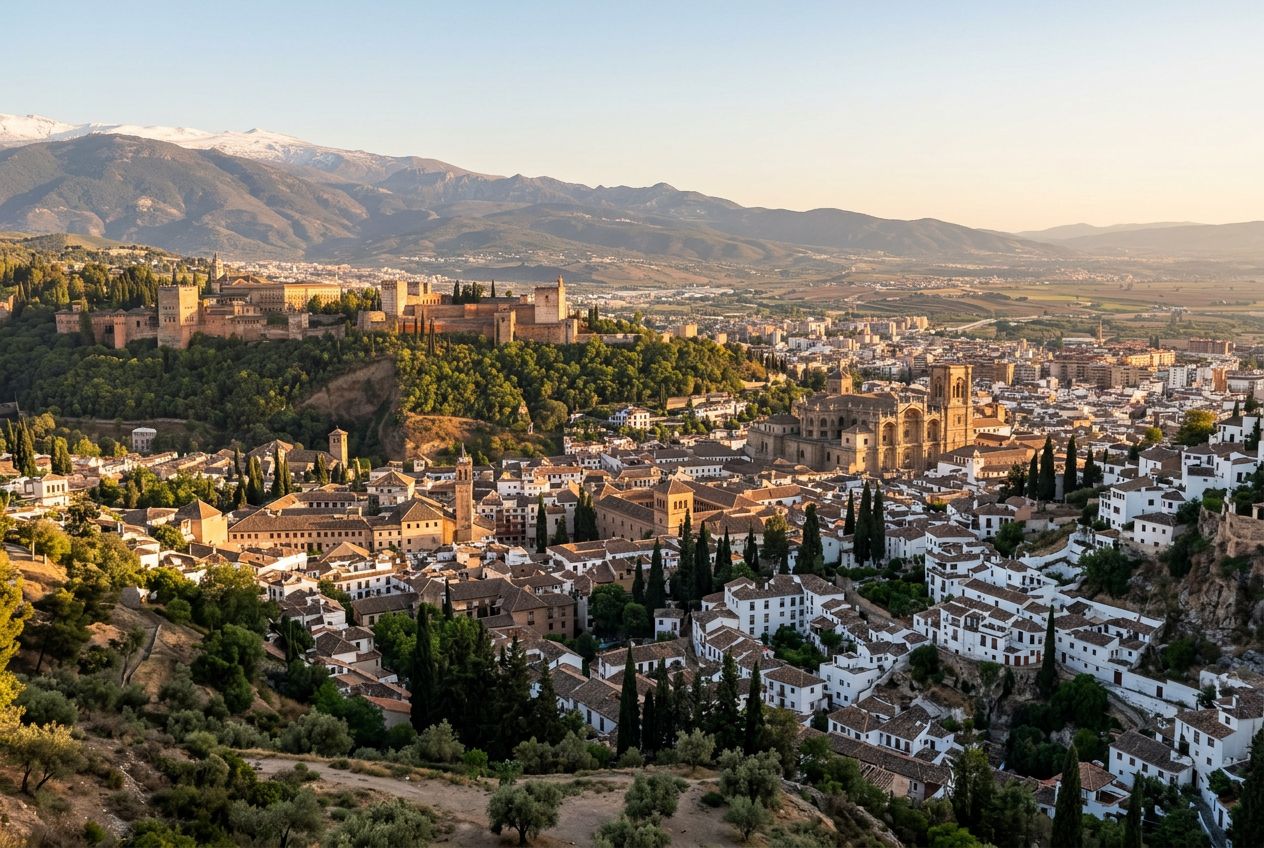
Granada's character is shaped by its river, the Genil, and its green parks. Its best-known places include Parque Federico García Lorca, the Paseo del Violón and the Parque de la Fuente de la Bicha. Car-free paths along the river and through the gardens make Granada a pleasant city for a run or a ride.
3 cities
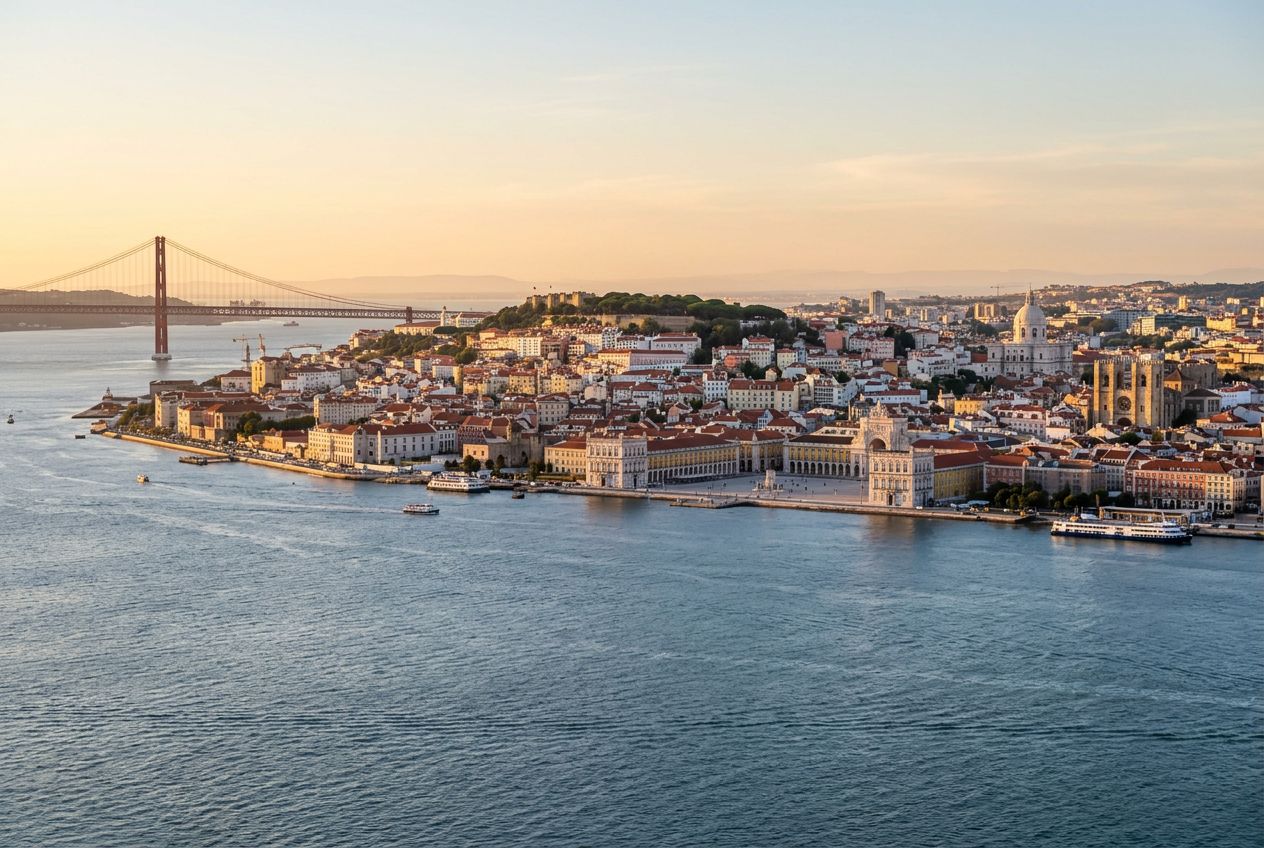
Lisbon's streets climb from the Tagus to Alfama's labyrinth of narrow alleys, with Praça do Comércio, the Elevador de Santa Justa and the Carmo Convent ruins among its best-known sights. Walkers can explore the old districts and viewpoints such as Miradouro de São Pedro de Alcântara, and runners can follow the flat, traffic-free riverside path from Praça do Comércio past Cais do Sodré.
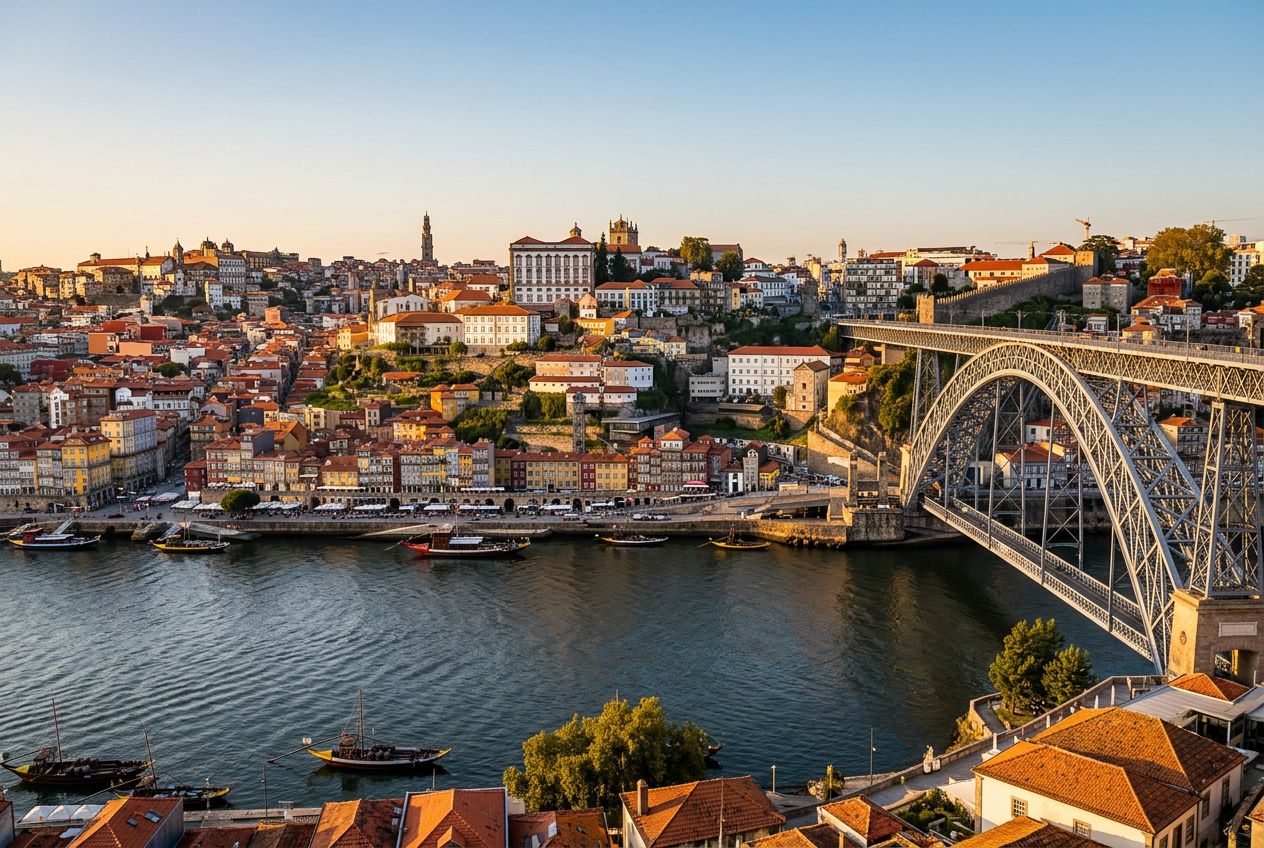
Porto rises from the Douro River, with the Luís I Bridge linking the old town to Gaia across the water. Viewpoints such as Jardim do Morro and Miradouro da Sé reveal the rooftops, while the coast offers the Felgueiras Lighthouse and the Pergola da Foz. Tiled azulejo facades and narrow alleys reward slow walks, runs and bike rides.
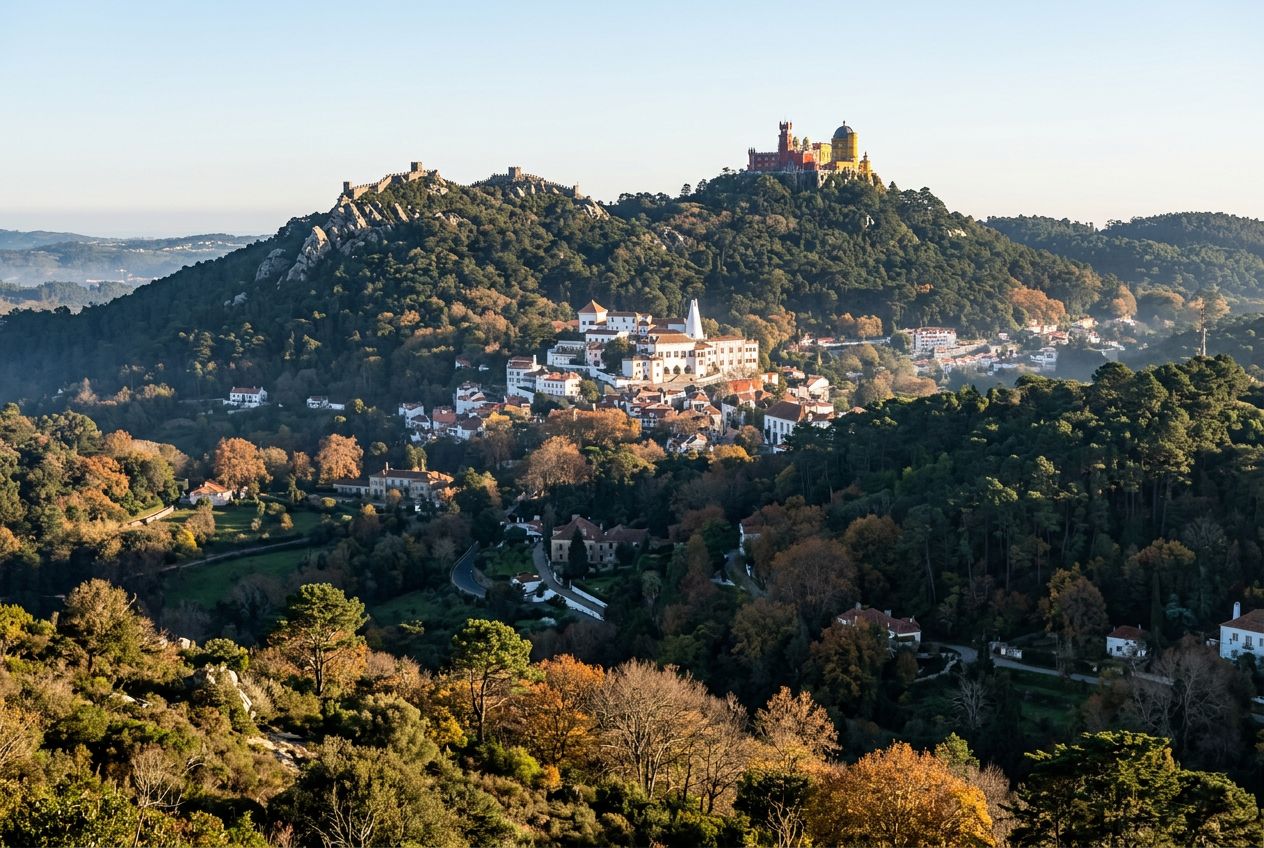
Sintra is known for its palaces, including the National Palace with its twin chimneys, and the wooded hills of Pena Park. Its historic center has car-free alleys, and the route passes Quinta da Regaleira and the Fonte Mourisca. Running or cycling through the green parks and forest trails gives a wide view of the town and the coast beyond.
4 cities
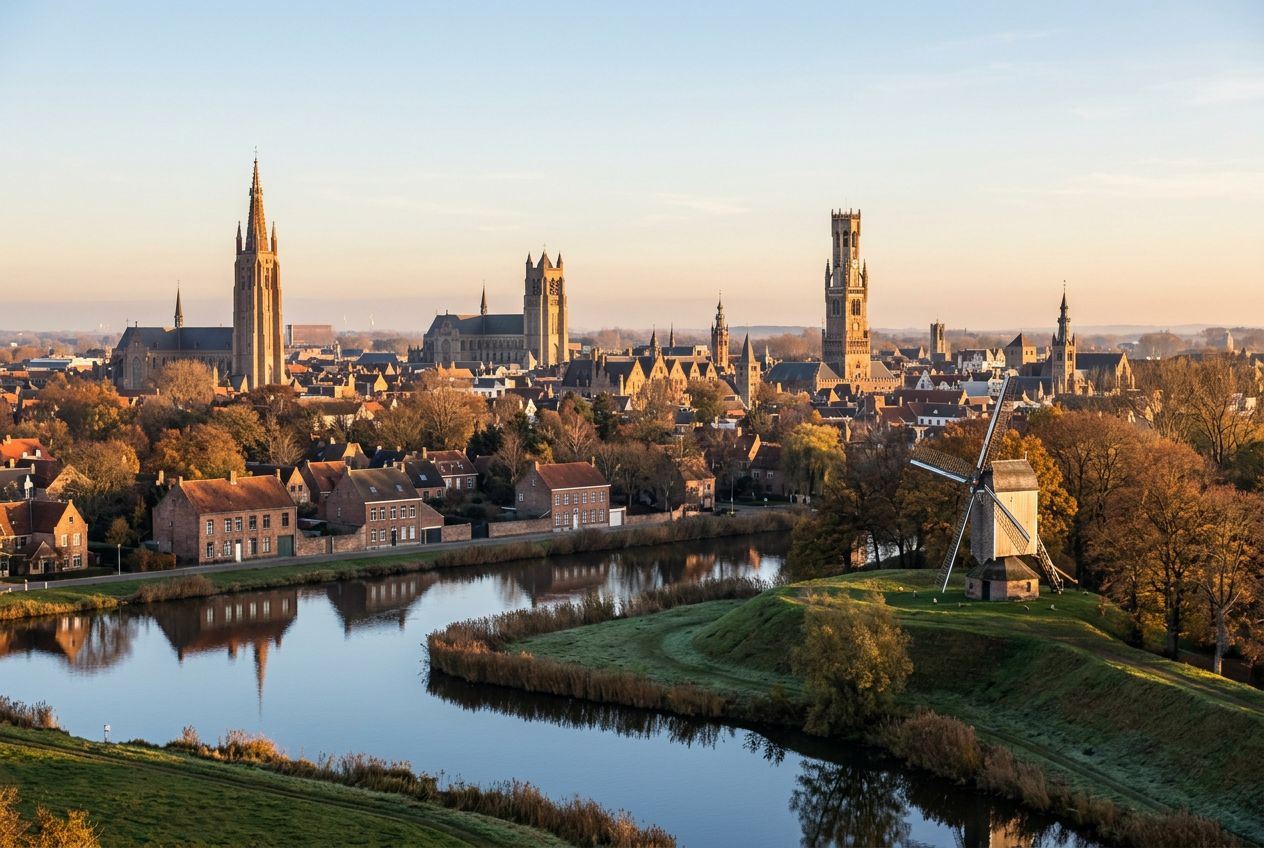
Bruges is built around its canals, its windmills and the Belfry above the Markt. Calm paths along the Dijver and past the Begijnhof give it a quiet, storybook feel. Walkers, runners and cyclists can follow the city ramparts to the windmills, where car-free routes and green parks like Minnewater offer a break from the busy centre.
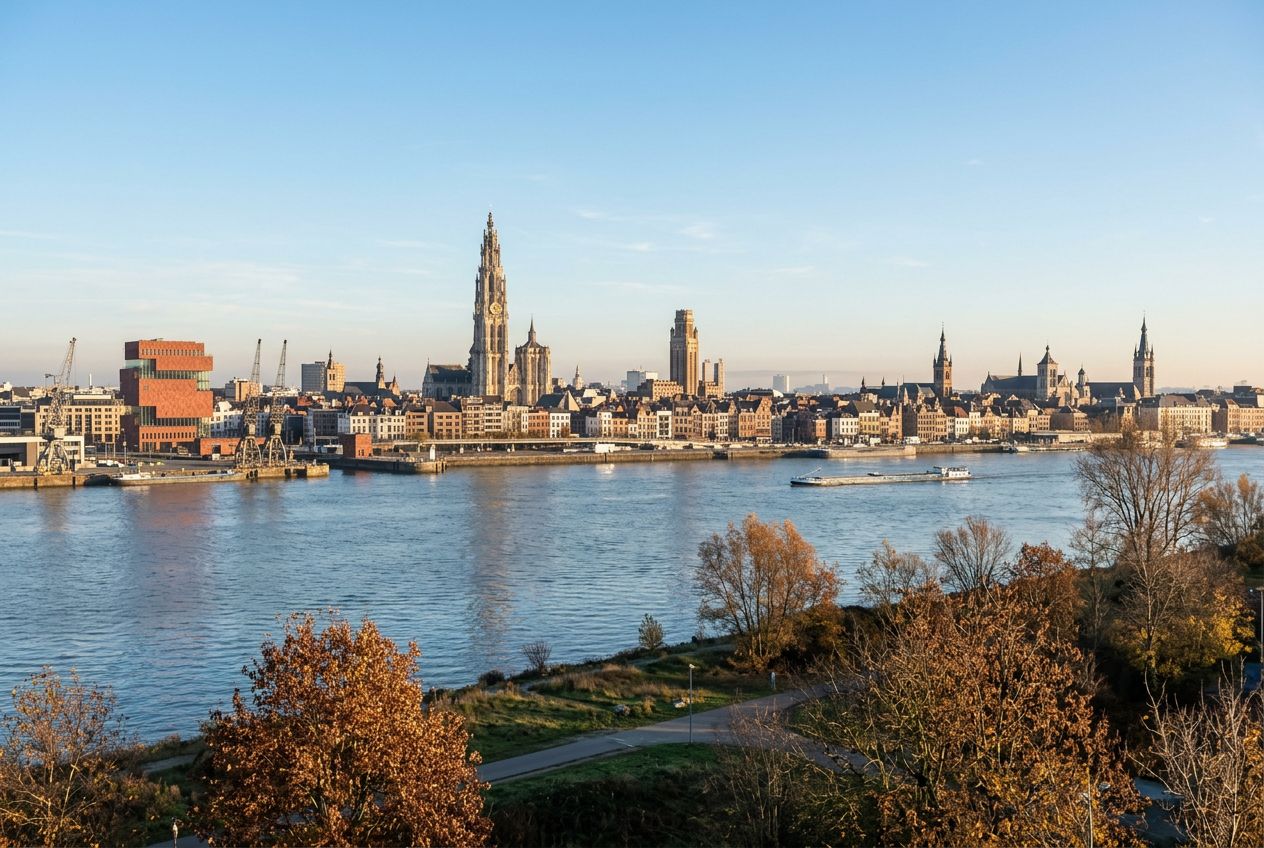
Antwerp's riverside, where the Scheldt meets old docks and the red-stone MAS, shapes much of its character. Het Steen, the Cathedral of Our Lady and the Grote Markt anchor walks through side streets and medieval lanes. Car-free promenades make the waterfront easy for runners, while cyclists can ride beneath the river through the Sint-Annatunnel.
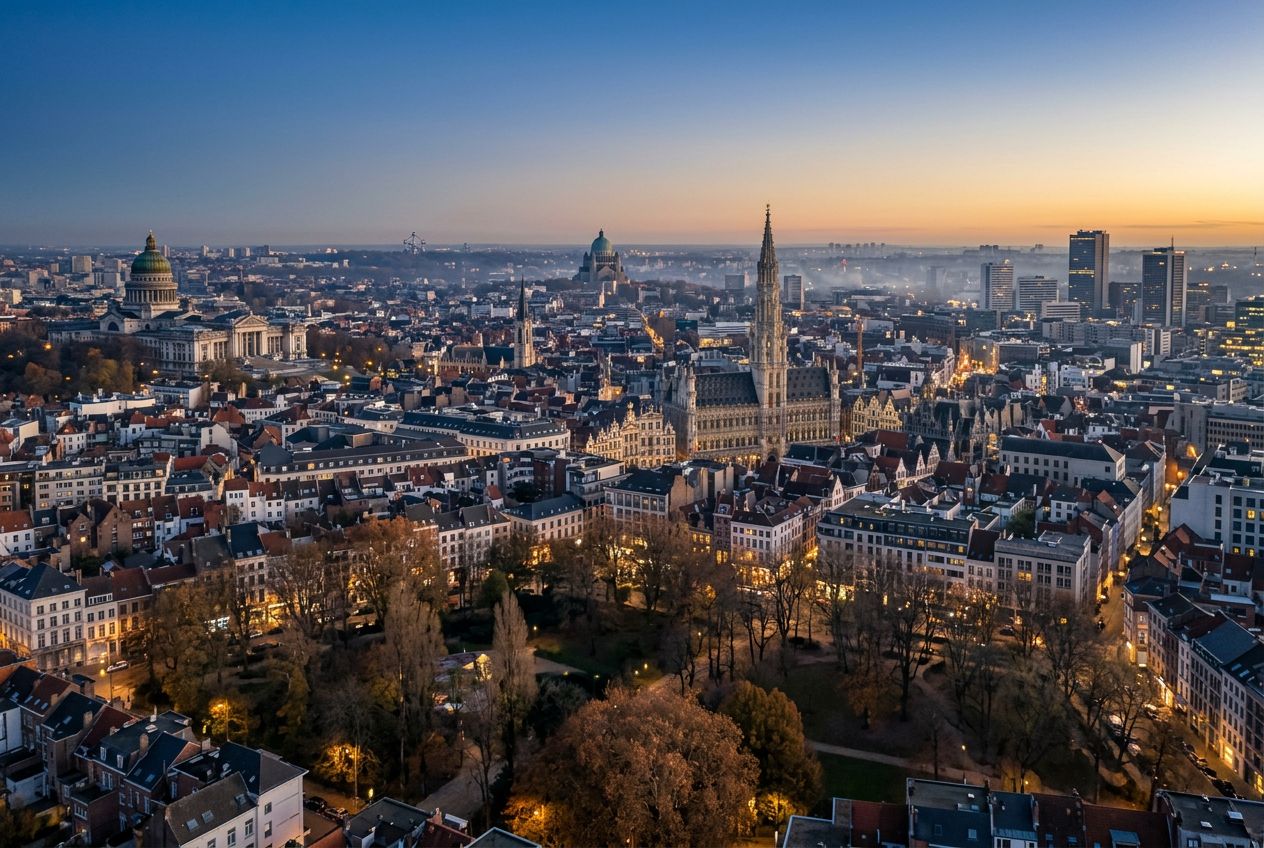
Brussels is known for the Grand Place, its guildhalls and the Galeries Royales Saint-Hubert. Side streets such as the Marolles and Rue des Fripiers bring a different side, with flea markets, galleries and small squares. Parks along the canal, from Tour & Taxis to the Parc Maximilien, make it a pleasant place to ride or run.
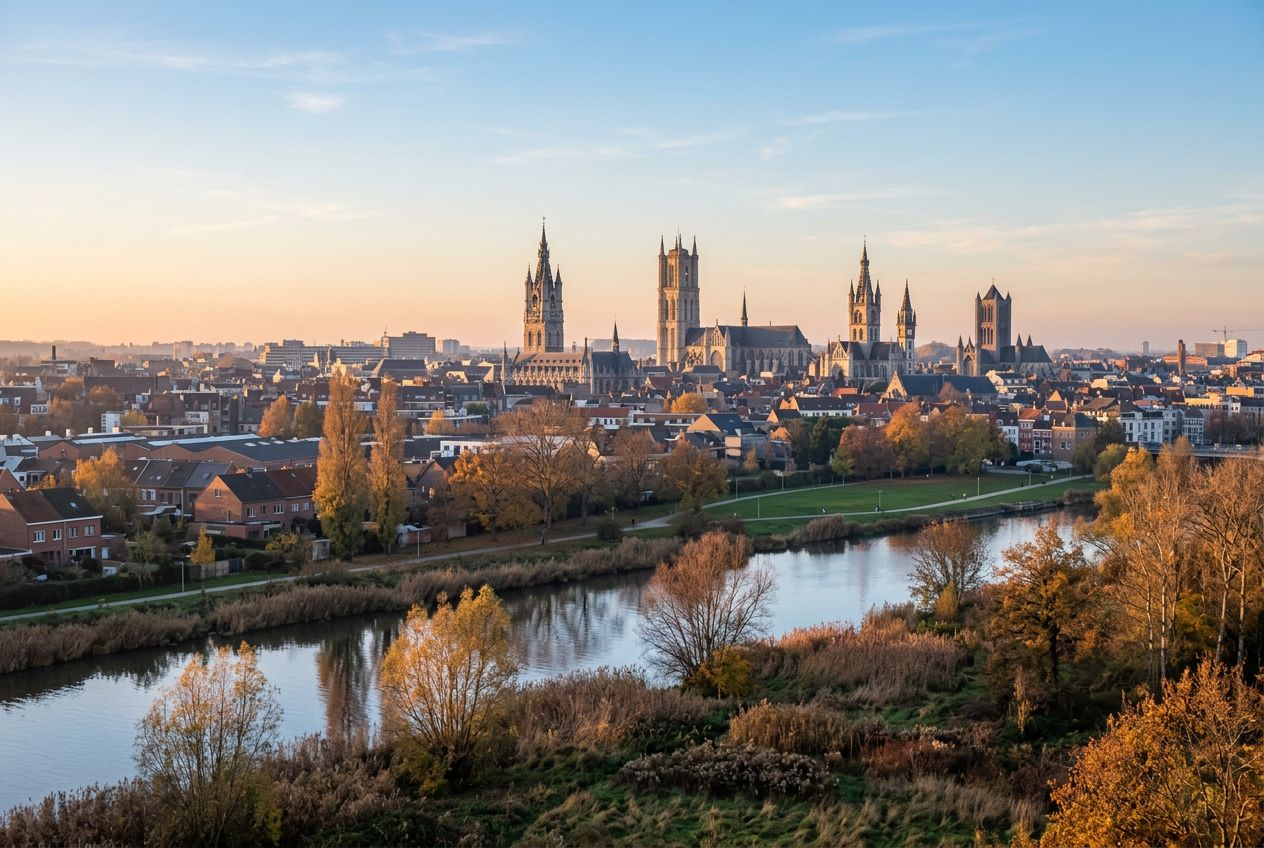
Ghent's character is shaped by its canals, medieval guildhalls and student life. Its best-known places include Gravensteen castle, the Graslei and Korenlei quaysides, St Bavo's Cathedral and the Belfry. Walkers can follow cobbled lanes through Patershol, while car-free paths beside the Scheldt and in Citadelpark suit runners and cyclists.
3 cities
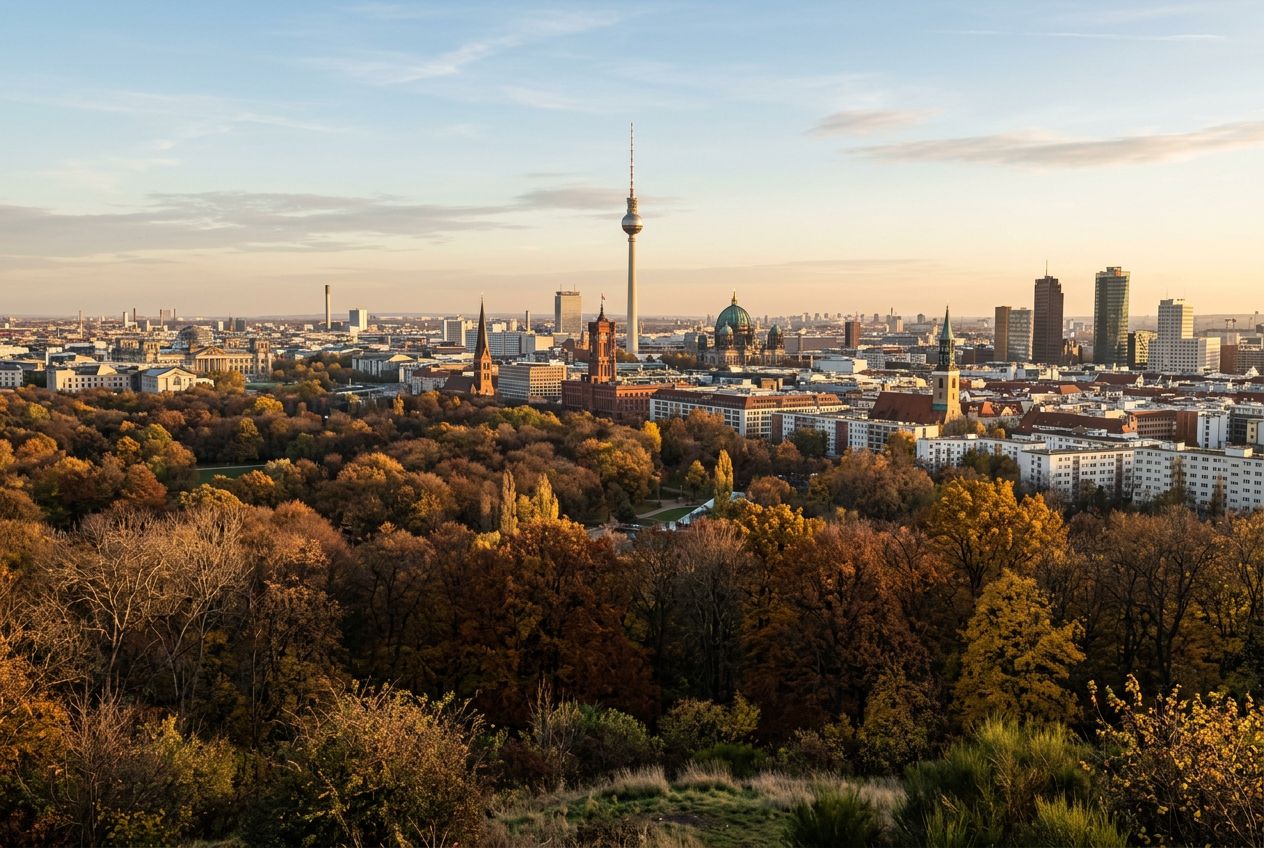
Berlin's green spaces and riverbanks shape many routes, from the Grosser Tiergarten to the Spree and the parks along it. Landmarks such as the Brandenburg Gate, the Reichstag and the Victory Column sit close to quiet paths. Away from the main roads, courtyards, galleries and the Hackesche Hofe offer a quieter side of the city.
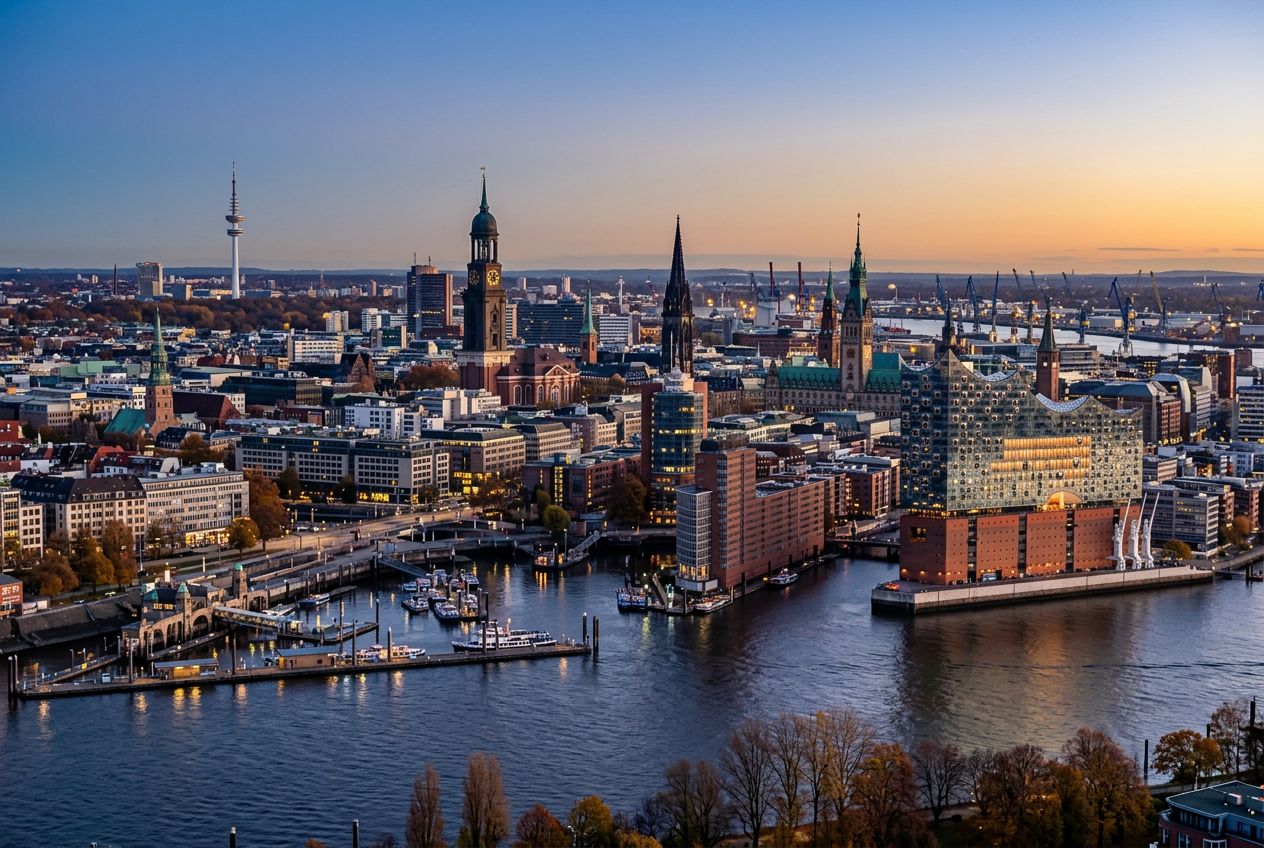
Hamburg's character comes from its harbor, its canals and the Alster lake in the city centre. Its best-known places include the Speicherstadt warehouses, the Elbphilharmonie, the Rathaus and St. Michaelis Church. Walking the old brick districts and the Alster's wide lakeside paths, car-free and tree-lined, suits a walk, a run or a ride.
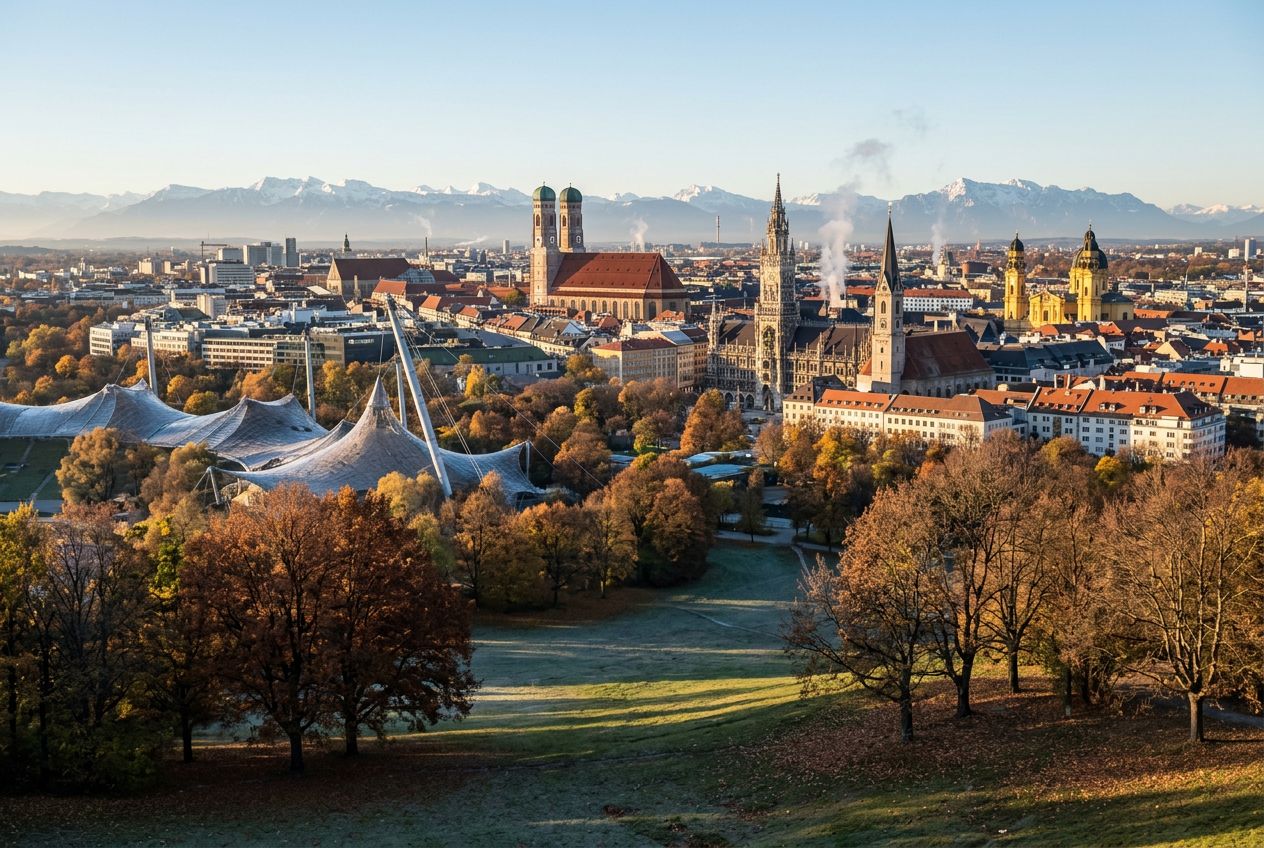
Munich's green heart is the English Garden, where the Chinese Tower and Monopteros overlook wide, car-free paths. The calm Isar River runs past the Friedensengel and the Maximilianeum, and urban surfers ride the Eisbach wave. Old courtyards around Marienplatz, the Frauenkirche and the Residenz reward a slower walk through the centre. Bikes and running shoes suit the park and river paths well.
2 cities
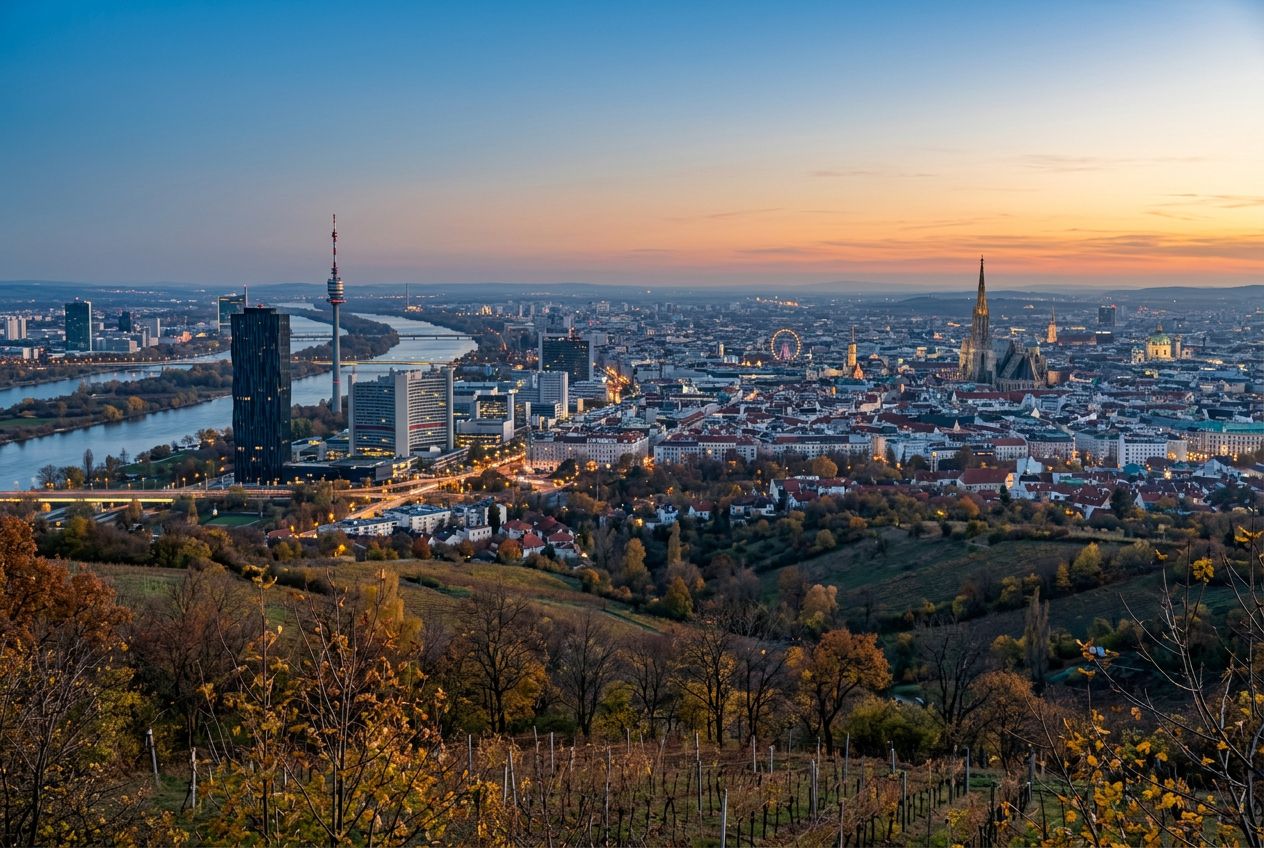
Vienna's green character comes from the Danube Island and the long tree-lined Prater avenue, both car-free and suited to runs. Imperial squares such as Michaelerplatz and Josefsplatz lead to the Hofburg, the State Opera and quiet gardens. In Spittelberg and the old centre, narrow lanes hide courtyards, murals and the Mozarthaus, making walks feel like a series of small discoveries.
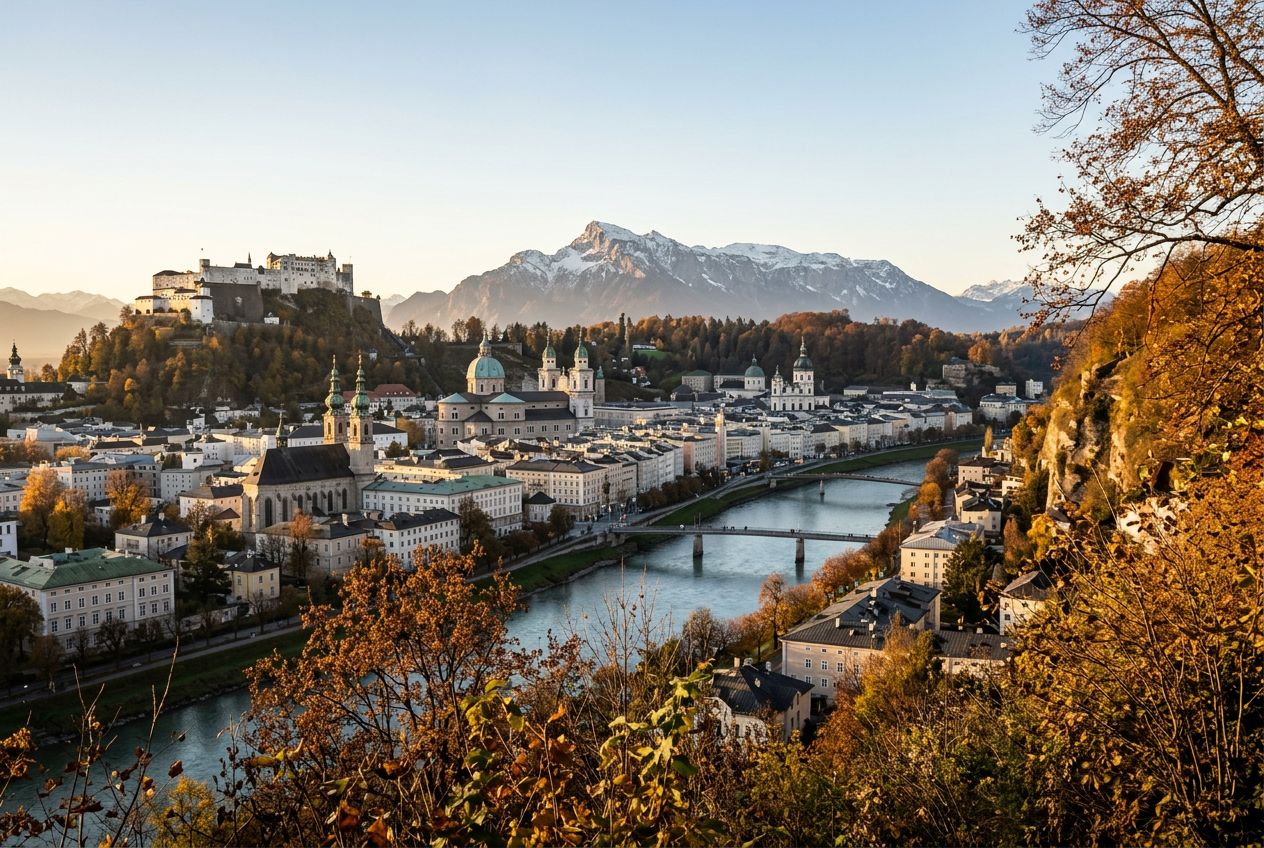
Salzburg lies on the Salzach River, with Baroque gardens, churches and a fortress rising above the Old Town. Mirabell Gardens, Getreidegasse and Residenzplatz are among its best-known places, linked by bridges such as the Makartsteg and Mozartsteg. Much of the centre is traffic-free, so walking, running or cycling along the riverside feels easy, with mountain views in the background.
2 cities
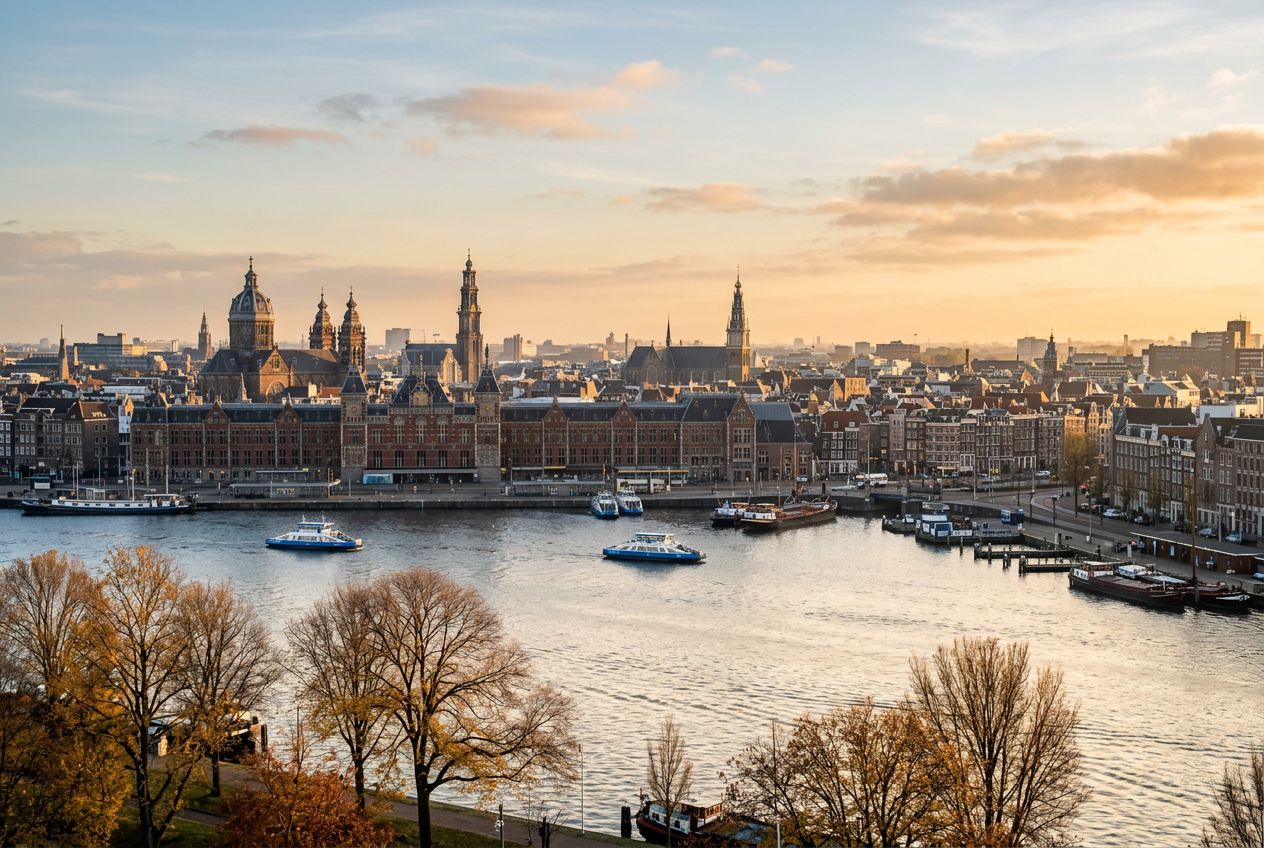
Canals, courtyards and narrow streets define Amsterdam, with the Jordaan, the Nine Streets and Vondelpark among its best-known places. On foot, the older heart of the city reveals quiet hofjes tucked behind modest facades. Runners and cyclists can also follow car-free paths through the park and along the Singelgracht canal.
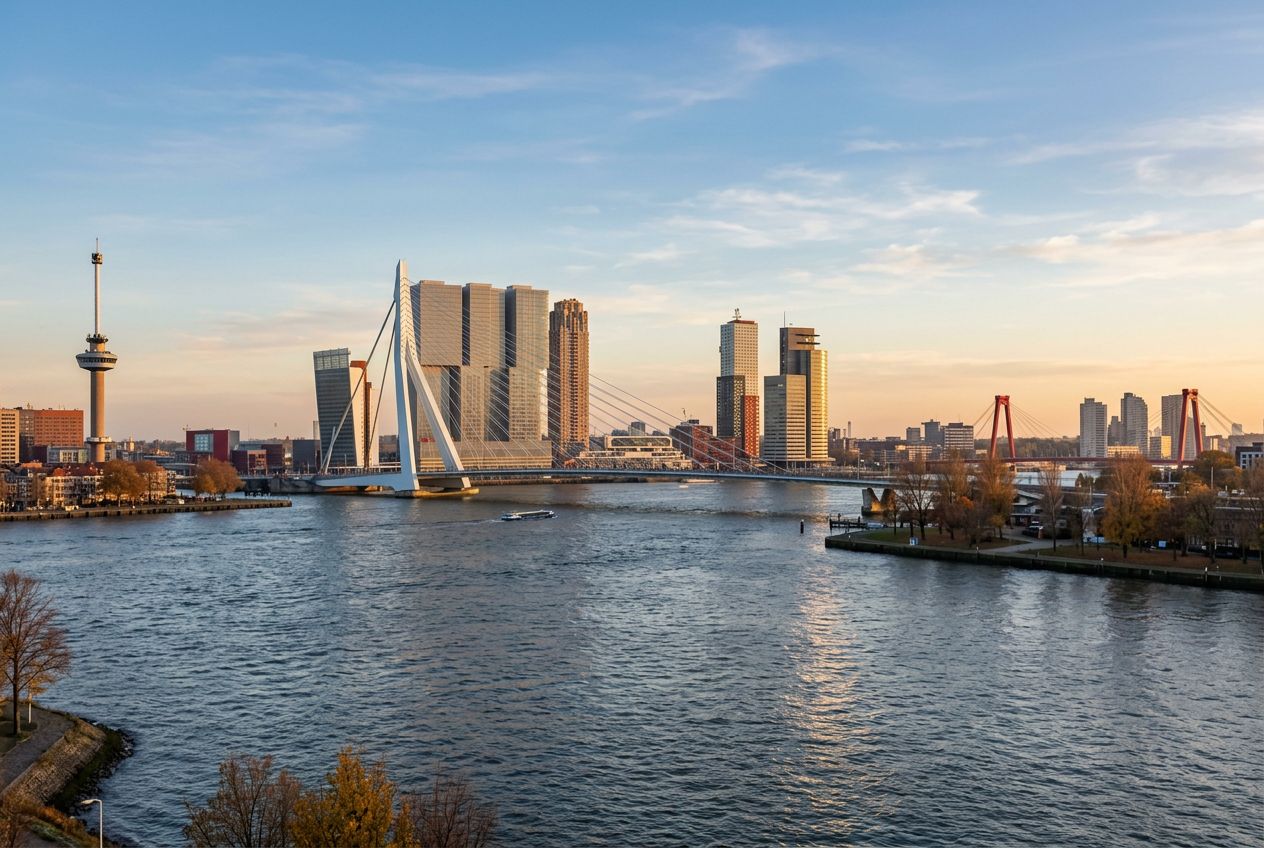
Rotterdam sits along the Nieuwe Maas, where modern architecture rises beside the historic Oude Haven and the old Witte Huis. Walkers can cross the Erasmusbrug, pass the Laurenskerk and the Markthal, or explore the Cube Houses. Green spaces such as Het Park give a calm break from the city, and the waterfront paths are good for cycling and running too.
1 city
1 city
1 city
1 city
1 city
1 city
1 city
1 city
1 city
1 city
1 city
1 city
1 city
1 city