










Hear a route
50,000 stories are waiting to be told. Press play on one.
Routes
On the map
Every pin is a route, and every route is full of stories.
 Route Stories
50,000 stories are waiting to be told. Press play on one.
Every pin is a route, and every route is full of stories.
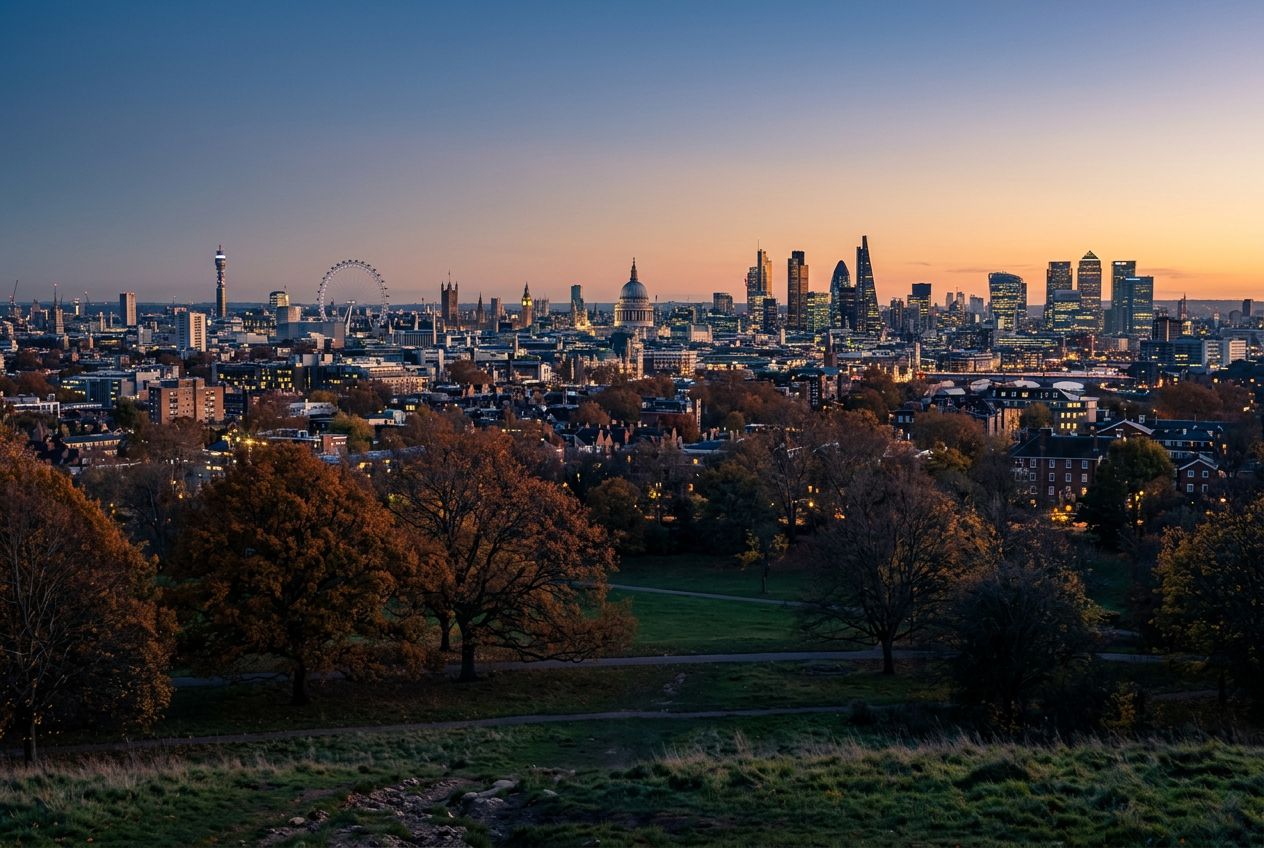
Self-guided audio tours to walk, run, cycle and explore in 28 cities: London, Edinburgh, Birmingham and Cambridge and more, each told in your own language.
Self-guided audio tours to walk, run, cycle and explore in 28 cities: London, Edinburgh, Birmingham and Cambridge and more, each told in your own language. Each plays narration and original music from your phone as you reach each place.
London's quieter side reveals itself through hidden courtyards, old alleyways and foot-only lanes. Seven Dials, Neal's Yard and Cecil Court offer street art, antique bookshops and Victorian charm, while Temple Church and Lincoln's Inn Fields add centuries of history. Walking, running or cycling through these streets gives a fresh view of a city often seen from busy main roads.
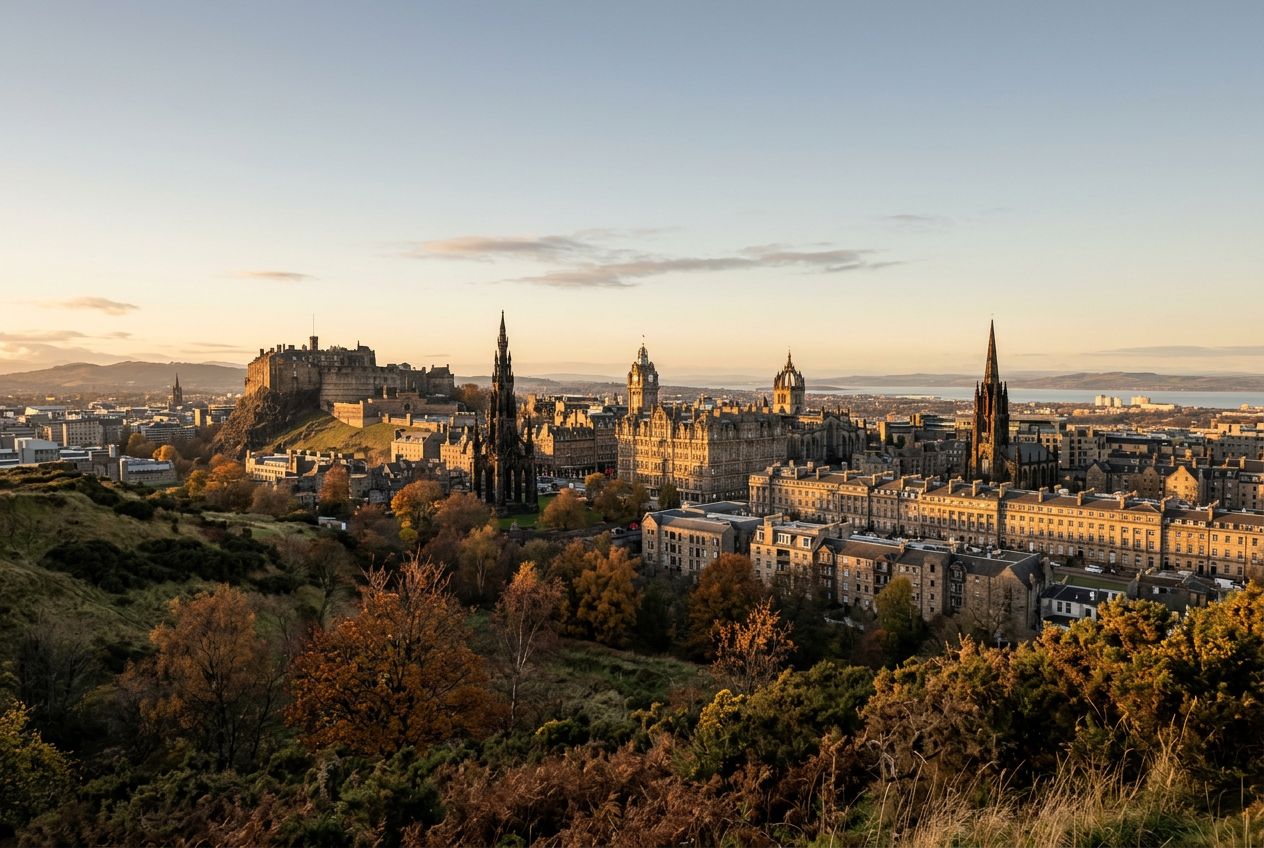
Edinburgh's character is shaped by its steep closes, old stone and the castle that looks over the Old Town. Its best-known places include St Giles' Cathedral, the Royal Mile, the Grassmarket and Greyfriars Kirkyard. Walking the winding Victoria Street and the atmospheric closes is a good way to take in the city's layered history and its street art.
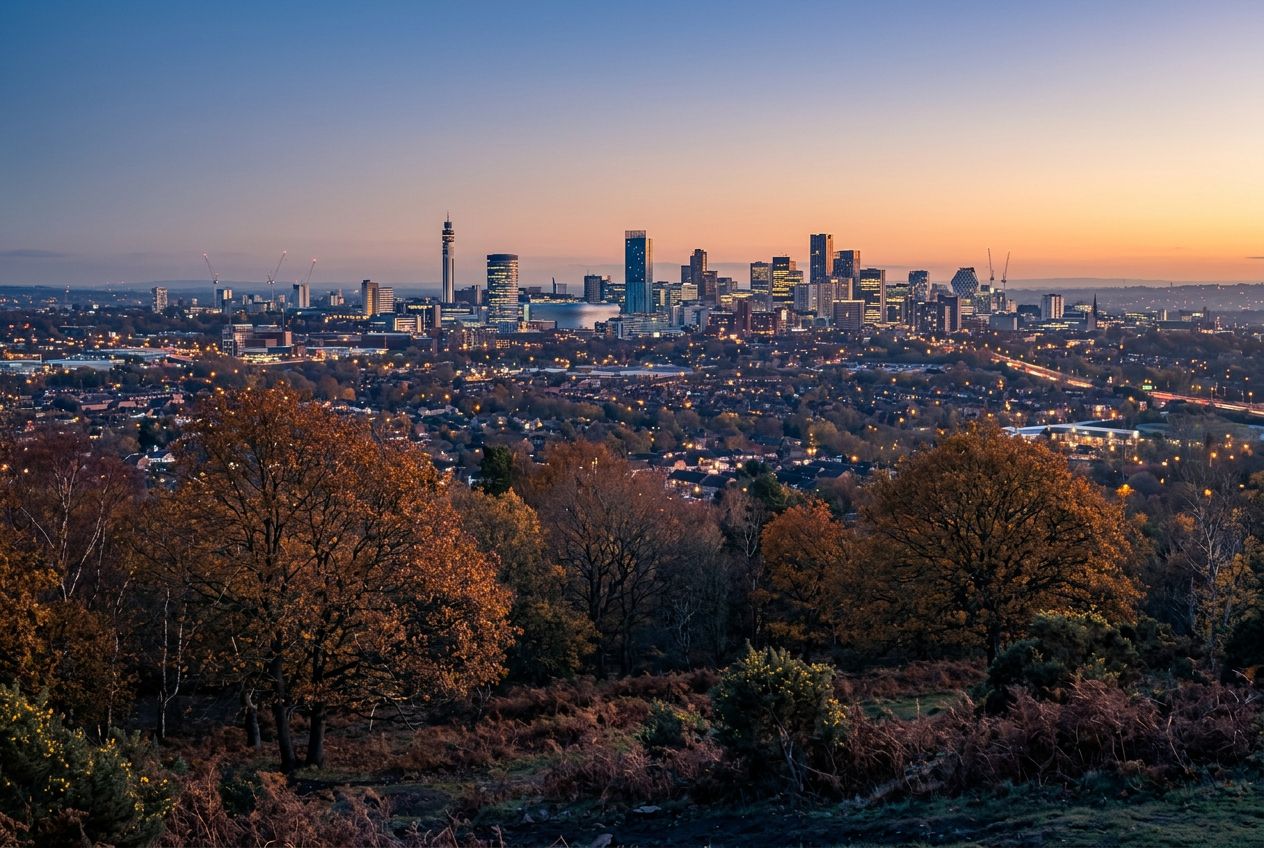
Birmingham's canals, civic squares and Jewellery Quarter give the city its shape, with the Library of Birmingham and Centenary Square among its modern landmarks. Old churches, Georgian St Paul's Square and Warstone Lane Cemetery add a sense of its history. Canal towpaths and traffic-free paths make it easy to explore on foot or by bike.
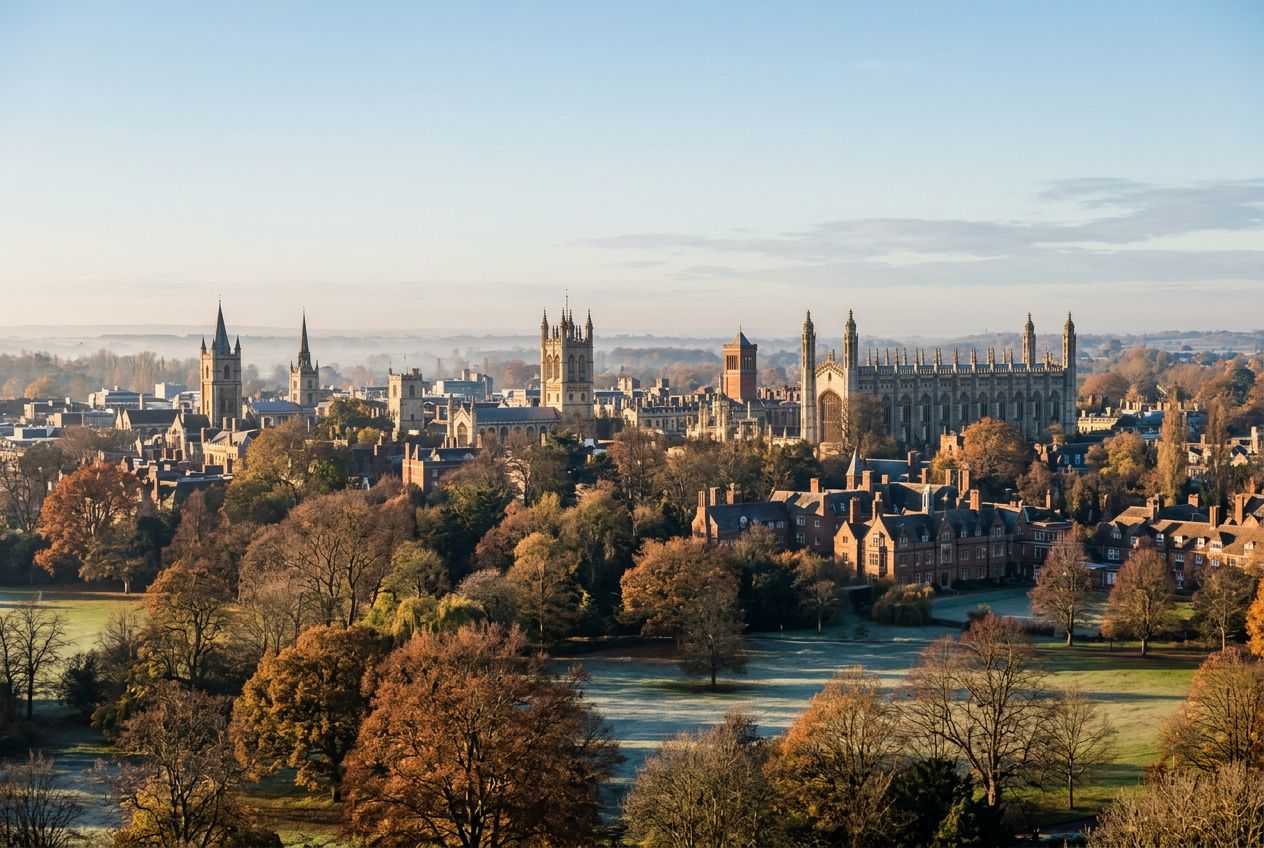
Cambridge is shaped by its university, whose colleges line narrow lanes, old courts and the River Cam. Its best-known sights include King's College Chapel, the Mathematical Bridge and the Backs along the river. On foot, quiet ginnels and cobbled lanes reveal hidden corners, and the riverside paths also suit a cycle or a run.
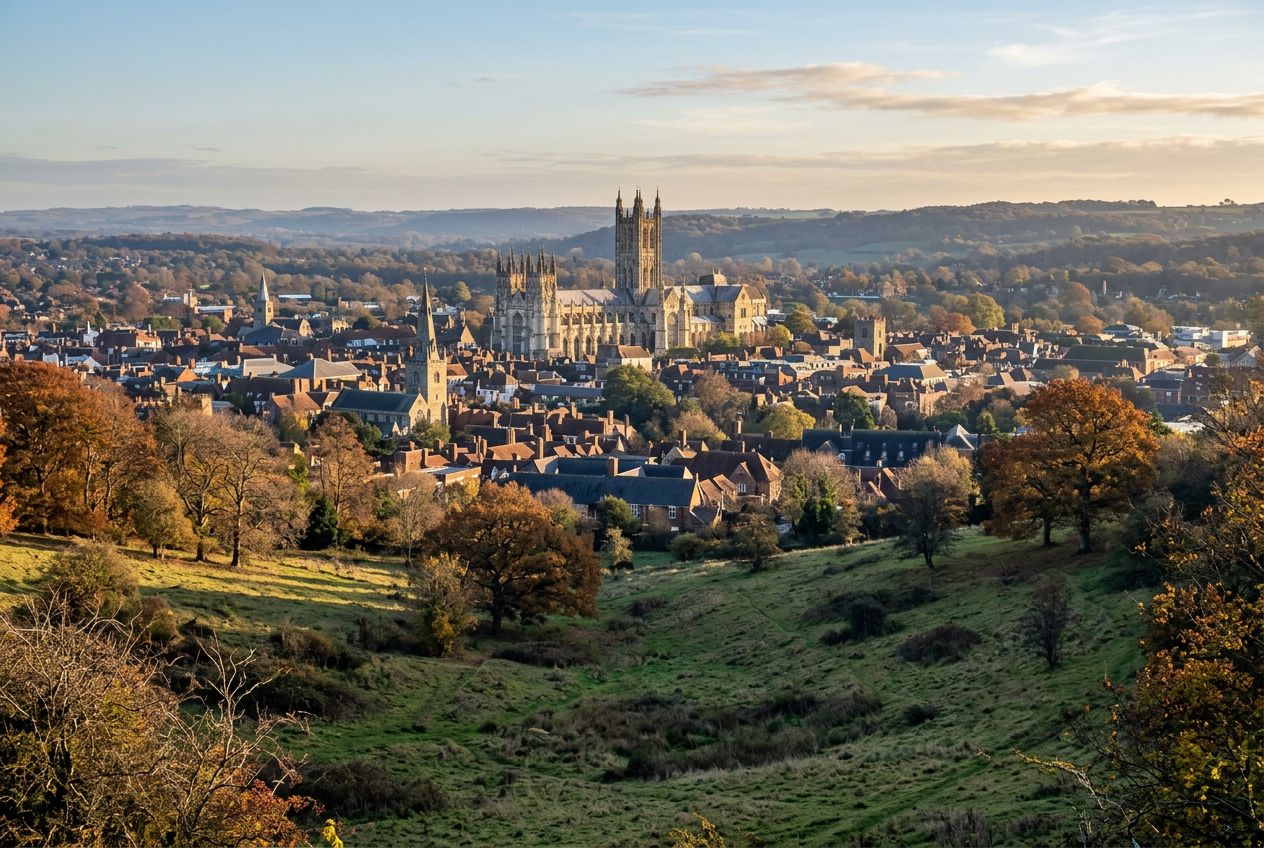
Canterbury's character comes from its medieval core, where Roman, Saxon and medieval history meet along narrow lanes. Its best-known sights include Christ Church Gate, the cathedral precincts, St Augustine's Abbey ruins and the Westgate Towers. Walking through the old streets and past Dane John Gardens, with its Roman burial mound, shows the city's long story at an easy pace.
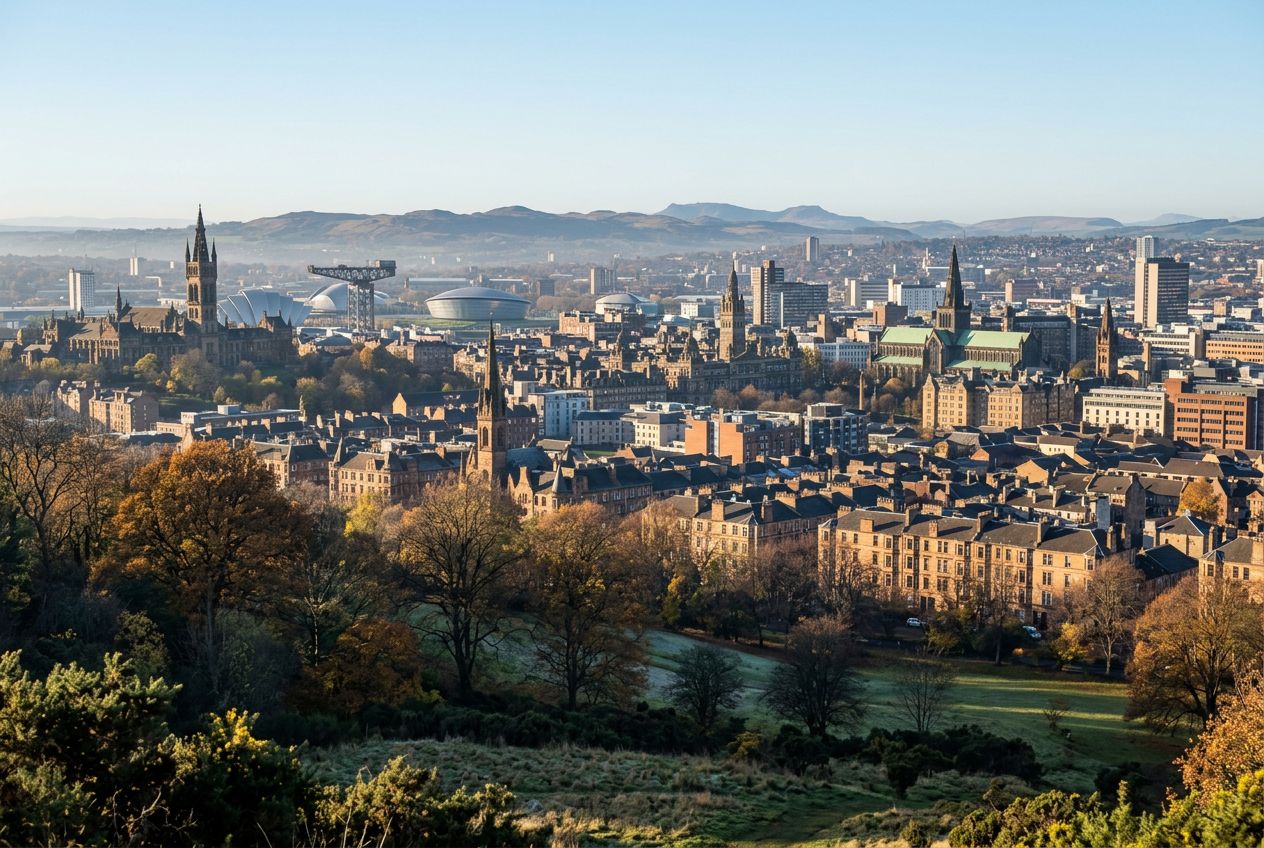
Glasgow's character comes from its Victorian architecture, lively Merchant City lanes and a sense of quirky humour. Its best-known places include George Square, Glasgow Cathedral, the Necropolis and the Gallery of Modern Art. Murals in hidden alleys and the pedestrian lanes of the Merchant City make walking through the centre rewarding, and its streets suit a run or ride too.
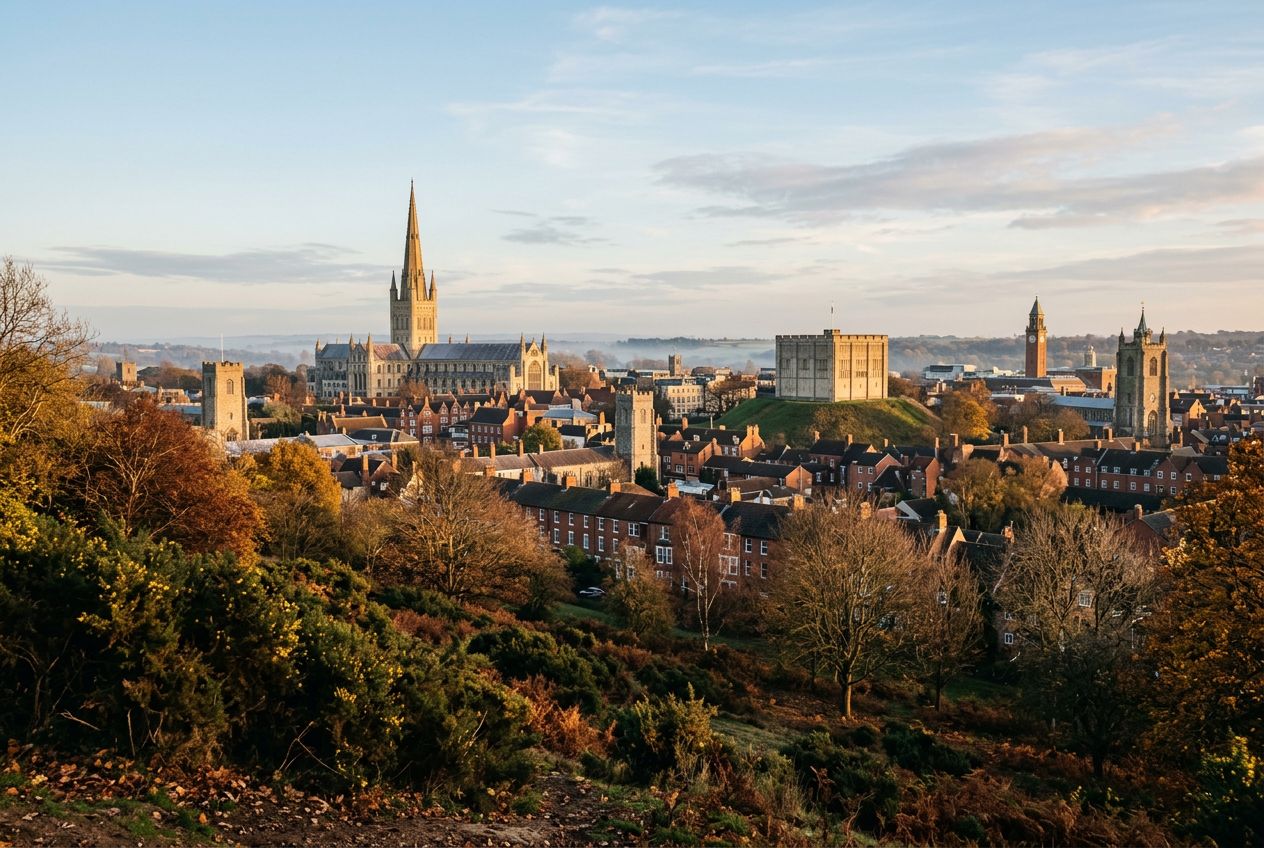
Norwich's old centre is a web of lanes, with the Norwich Lanes, Elm Hill and the Cathedral Close linked by quiet alleys. Street murals and independent shops turn up around the market, while the Guildhall and St Peter Mancroft Church reflect the city's medieval past. Walkers can follow the River Wensum to Pull's Ferry and Cow Tower, and the city's paths also suit a bike ride or a run.
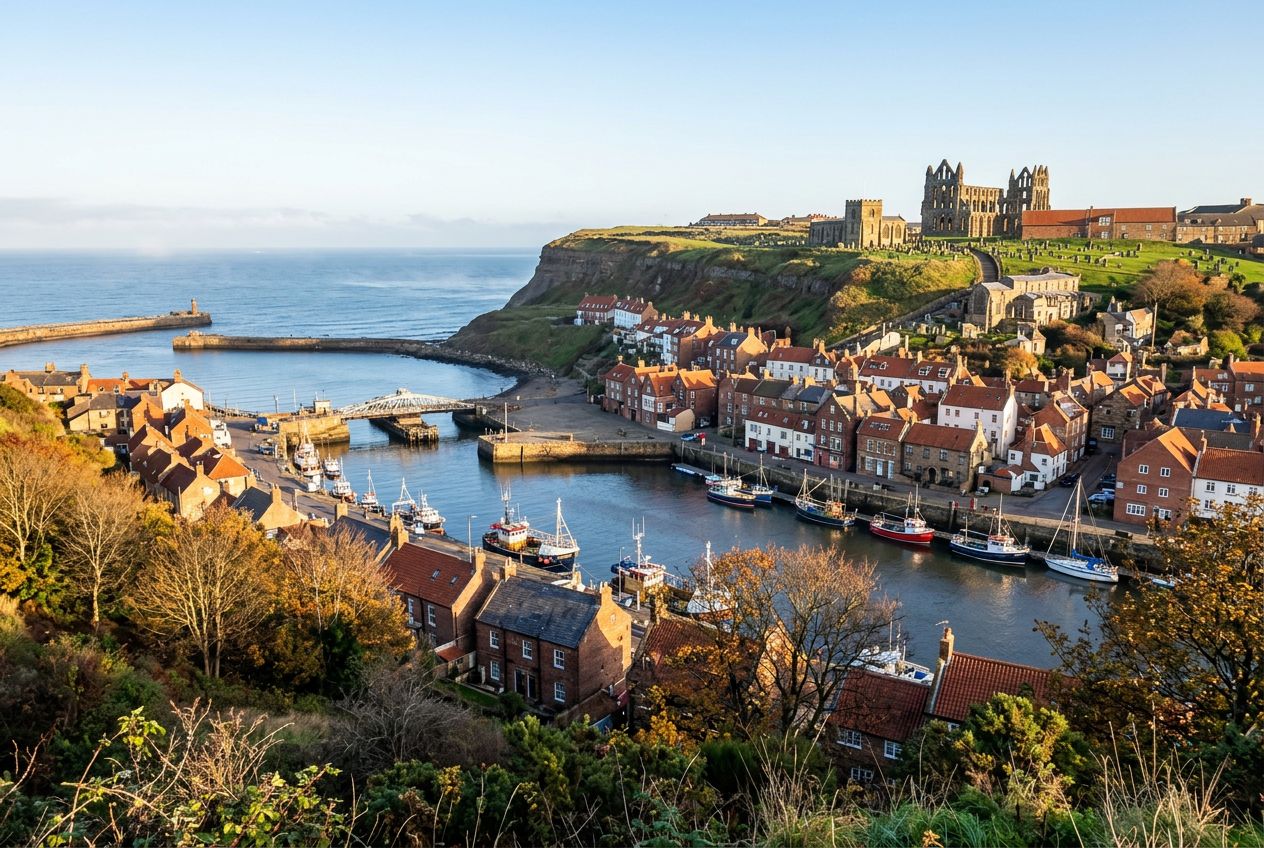
Whitby rises from its harbour, where the swing bridge links the old town with West Cliff. The 199 Steps climb to the ruins of Whitby Abbey and St Mary's Church, and the winding lanes of Henrietta Street and Grape Lane are lined with fishermen's cottages. Walking here brings sea views and stories of seafaring and Bram Stoker's Dracula at every turn.
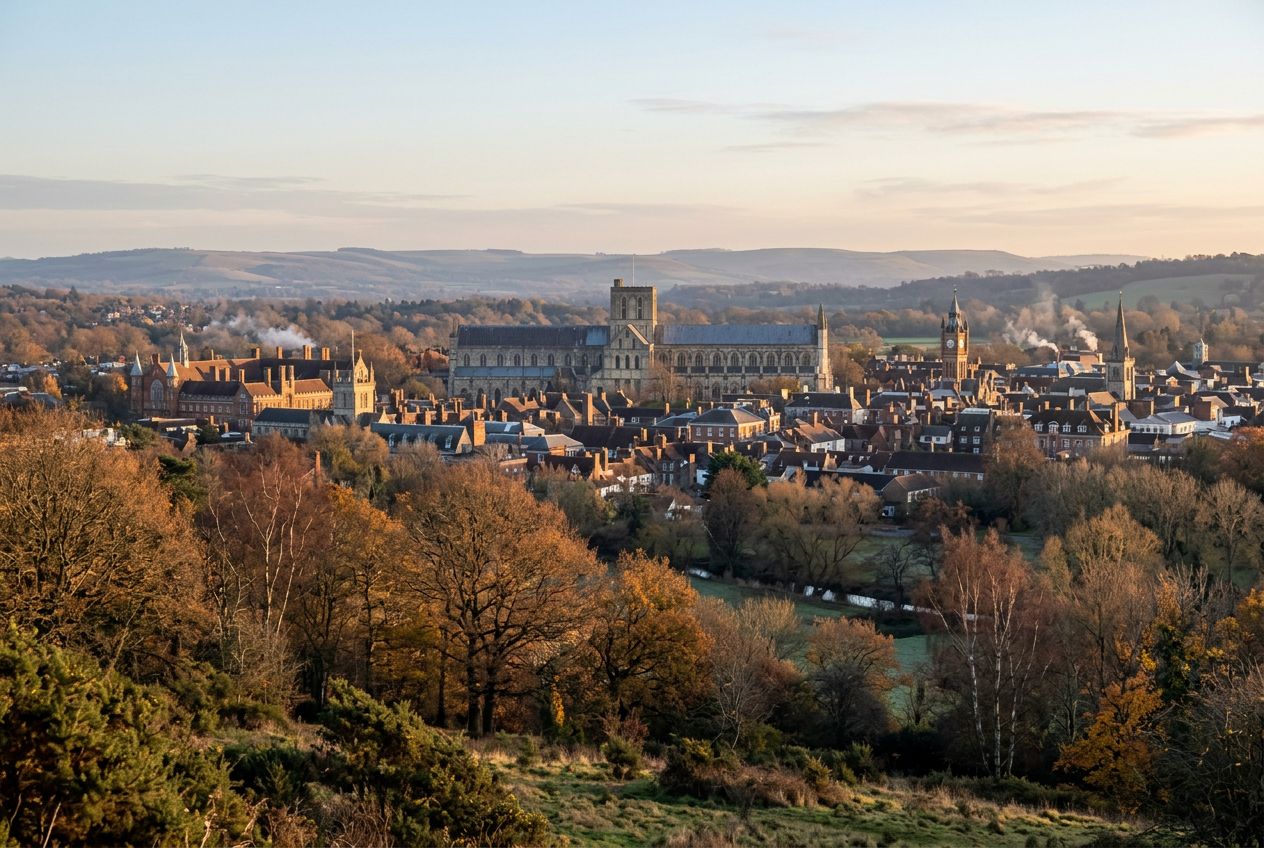
Winchester's cathedral, Great Hall and Wolvesey Castle ruins speak to its years as a royal and episcopal centre. The Buttercross and City Mill sit along old streets and the River Itchen path, where the walk is calm and car-free. Medieval closes, Winchester College and pub lanes around the Cathedral make it a place to explore slowly on foot, by bike or on a run.
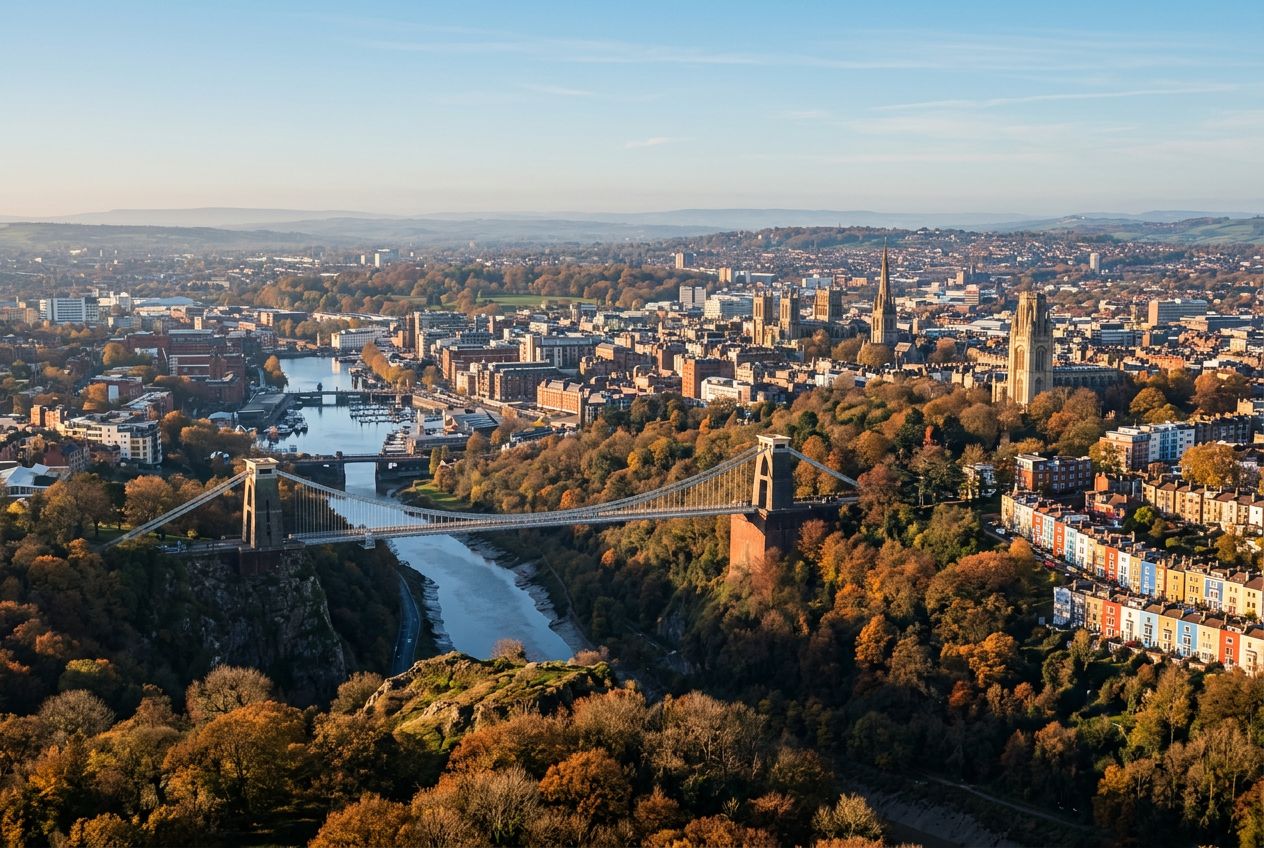
Bristol's harbourside, Queen Square and St Nicholas Market give the city a strong sense of its maritime past. Bristol Cathedral, Christmas Steps and St John on the Wall, built into the medieval city wall, add layers of history. The city suits walking well, with pedestrian lanes and a lively pub scene on King Street.
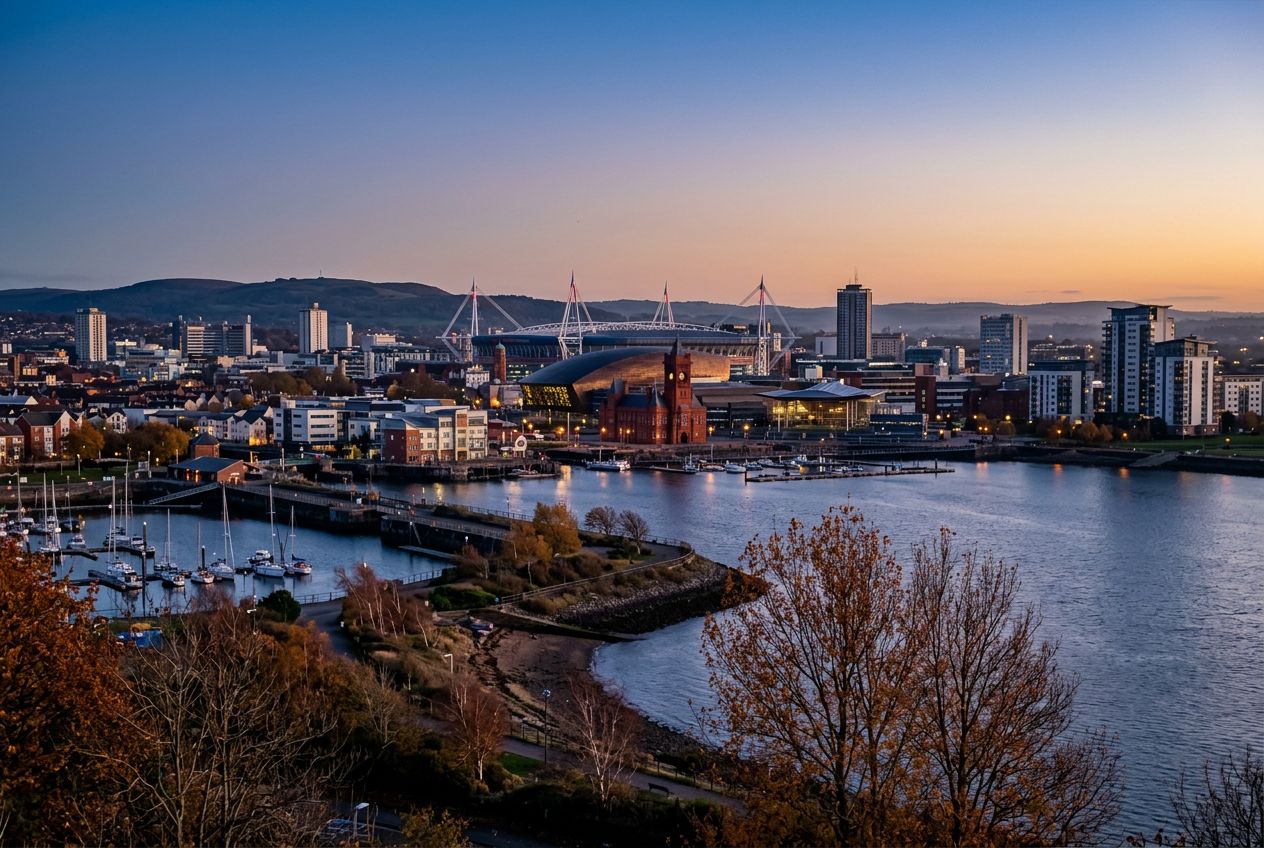
Cardiff blends Victorian arcades with street art, live music venues and a castle at its centre. Its best-known places include Cardiff Castle, the Royal Arcade and Womanby Street, which is known for its murals. On foot, the arcades and the green expanse of Bute Park make it easy to move between old and new, and the city suits a run or ride too.
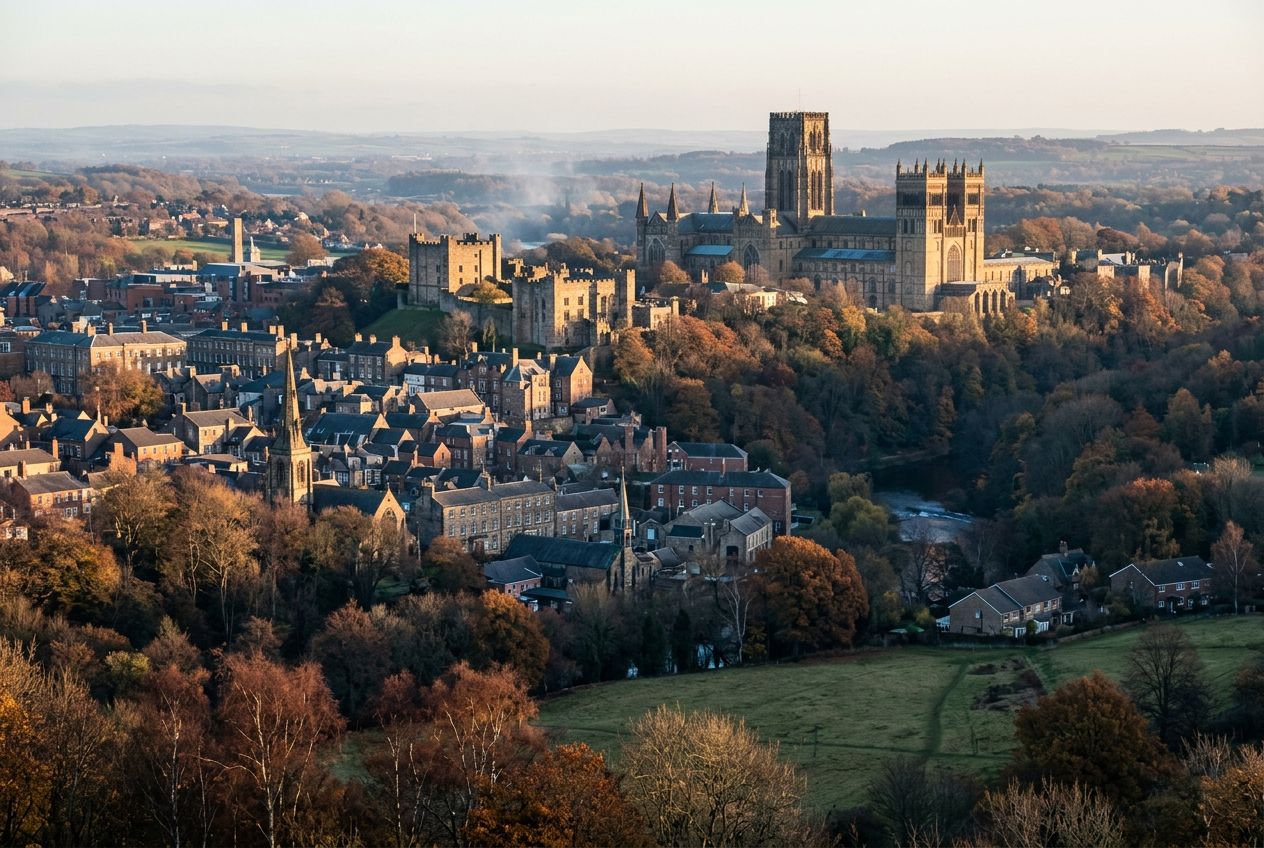
Durham's character comes from its cathedral and castle, both standing above the River Wear. Its best-known sights include Durham Cathedral, Palace Green, Prebends Bridge and Elvet Bridge, a medieval crossing. Narrow lanes such as Owengate and South Bailey, along with the riverside path, make a walk here feel like stepping through centuries.
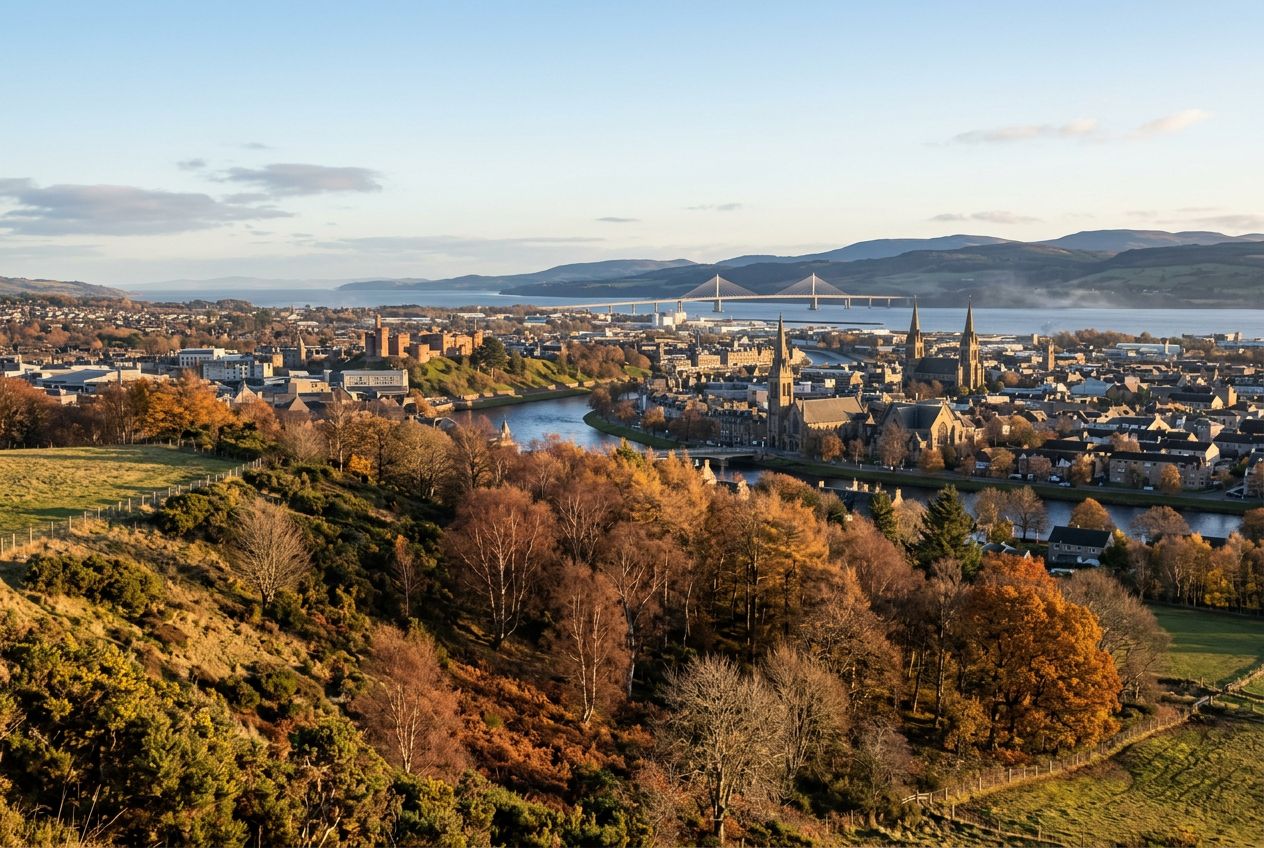
Set along the River Ness, Inverness offers footbridges, green islands and a compact centre to explore slowly. Its history shows in the Castle Esplanade, the Old High Church and the Victorian Market, while street murals and quiet galleries reward a wander through its lesser-known lanes. Walkers can cross Greig Street Bridge, and runners or cyclists can follow the River Ness Walkway.
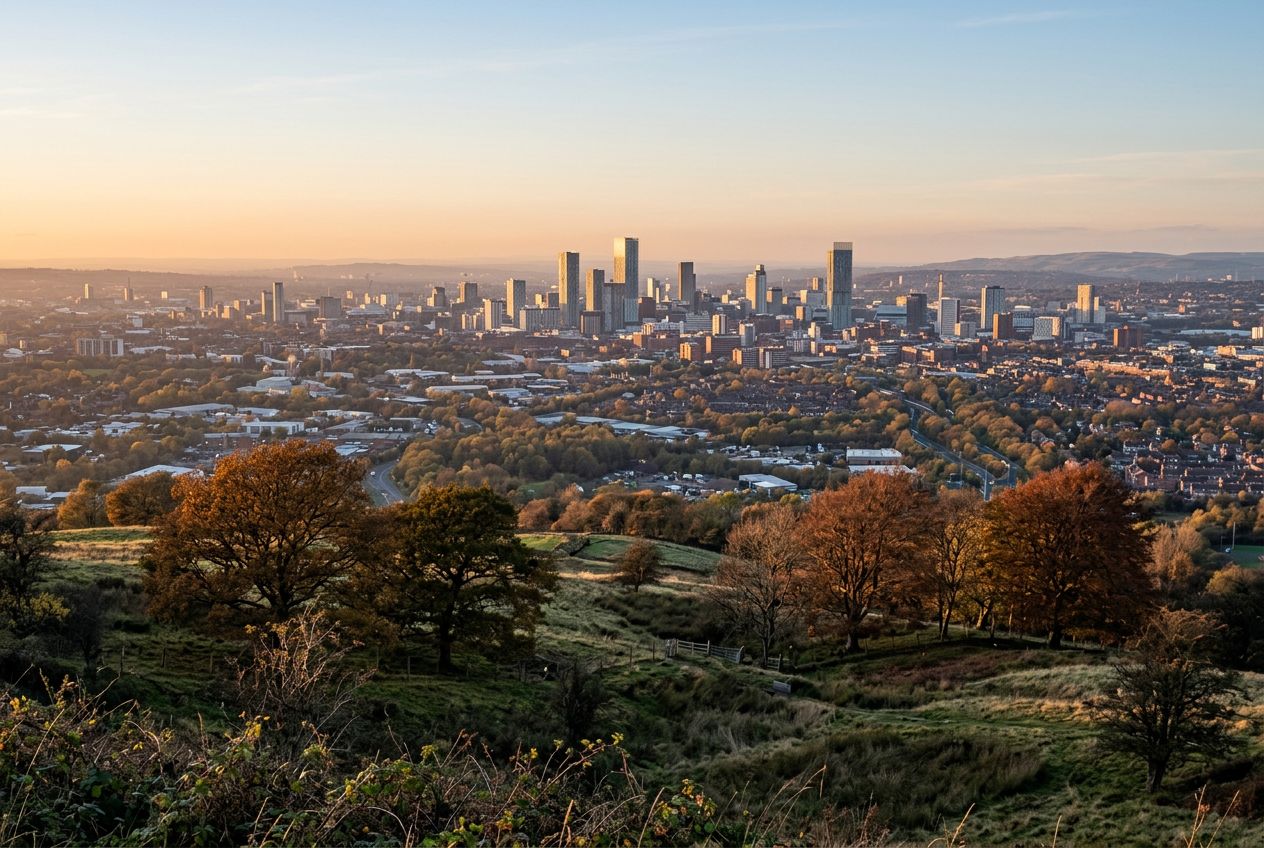
Manchester combines Victorian grandeur with independent shops and street art. Albert Square, Manchester Cathedral and the Northern Quarter's murals and boutiques show both its history and its creativity. Its Victorian arcades, canal-side Ancoats and Piccadilly Basin make a varied walk, with lively bars tucked into backstreets.
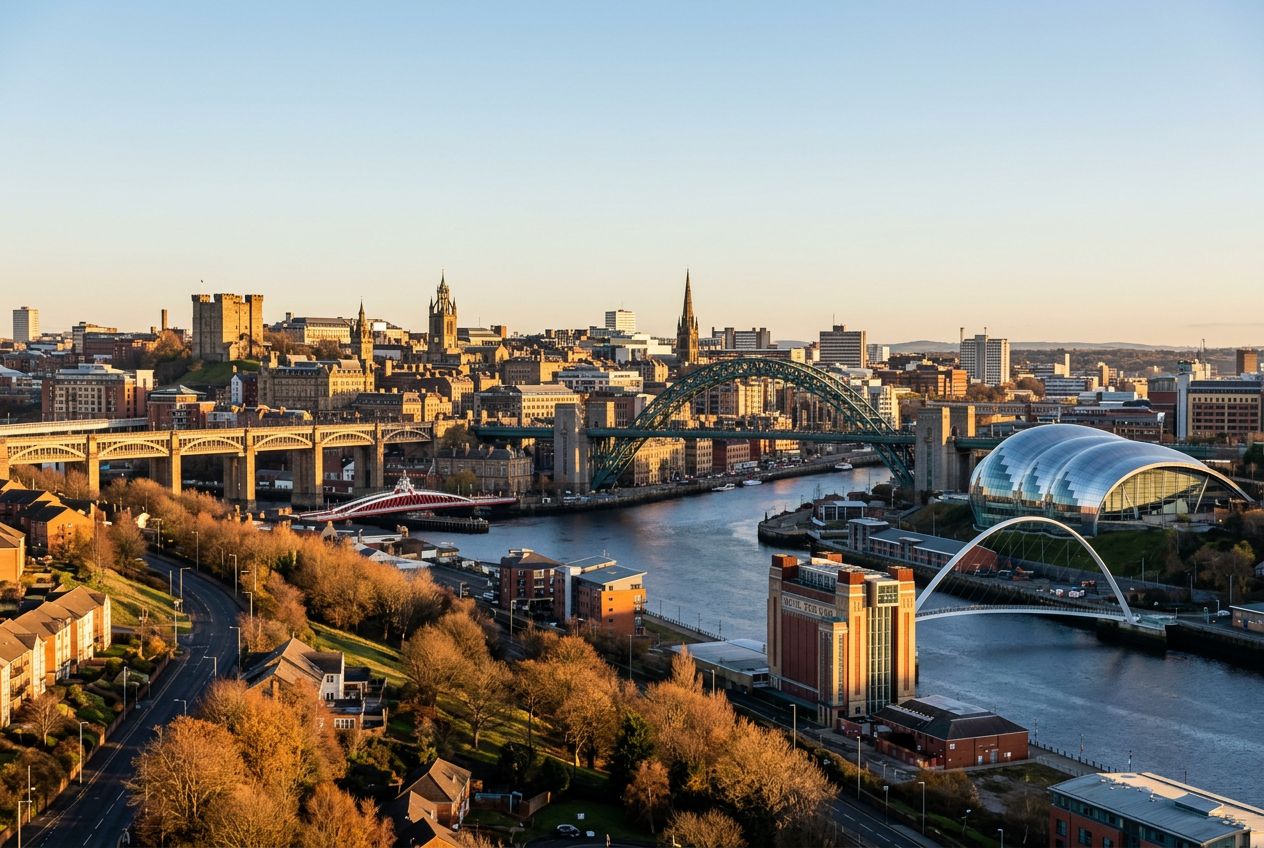
Newcastle upon Tyne links its castle and cathedral with the riverside Quayside, where the Tyne Bridge and Millennium Bridge come into view. Narrow passages such as Amen Corner and High Bridge Street connect medieval sites like the Black Gate and Blackfriars Friary. Grey's Monument, Grainger Market and the Central Arcade add Victorian grandeur, and the city's paths suit a walk, a run or a bike ride.
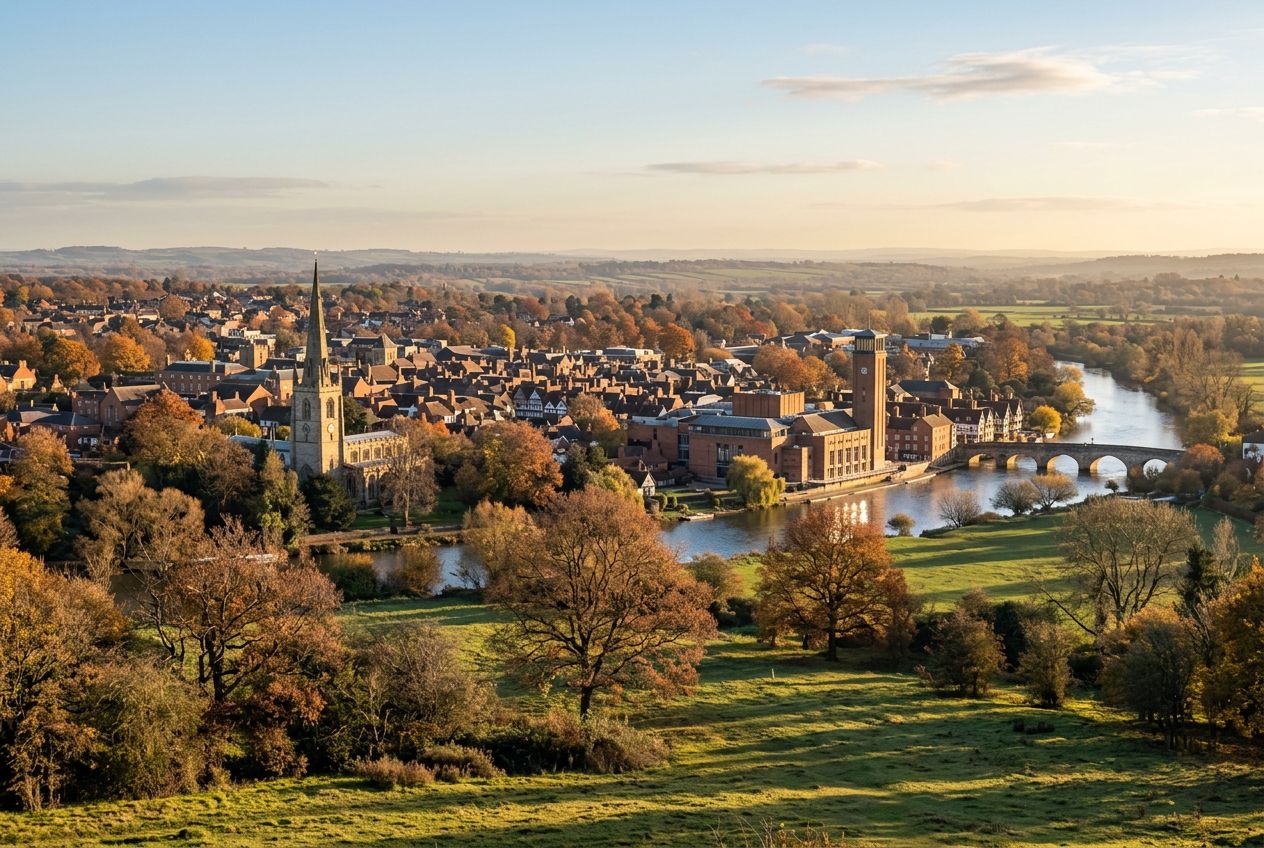
Stratford-upon-Avon is a riverside town known for Shakespeare's Birthplace, Holy Trinity Church and the half-timbered Harvard House. Its narrow alleys, small galleries and murals sit alongside the calm Bancroft Gardens and the River Avon. Walking the lanes from one landmark to the next is the easiest way to see the town, and the river paths suit a run or a bike ride.
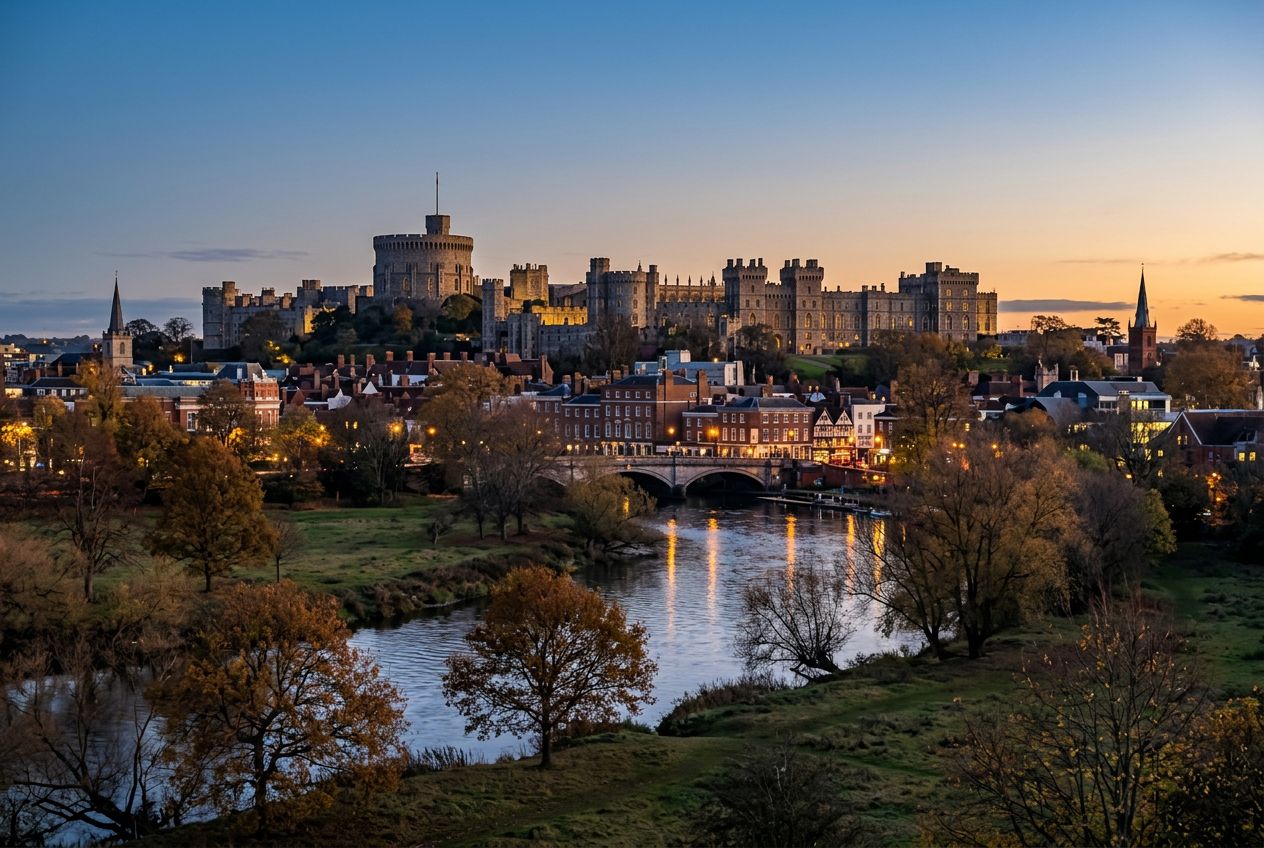
Windsor is shaped by its castle, with the Curfew Tower, Guildhall and Thames riverside all close together. Narrow alleys, colourful murals and the Victorian station's shopping hall add a more hidden side to the town. Paths beside the Thames suit a gentle walk, run or bike ride, and the Crooked House and Queen Charlotte Street add a touch of local legend.
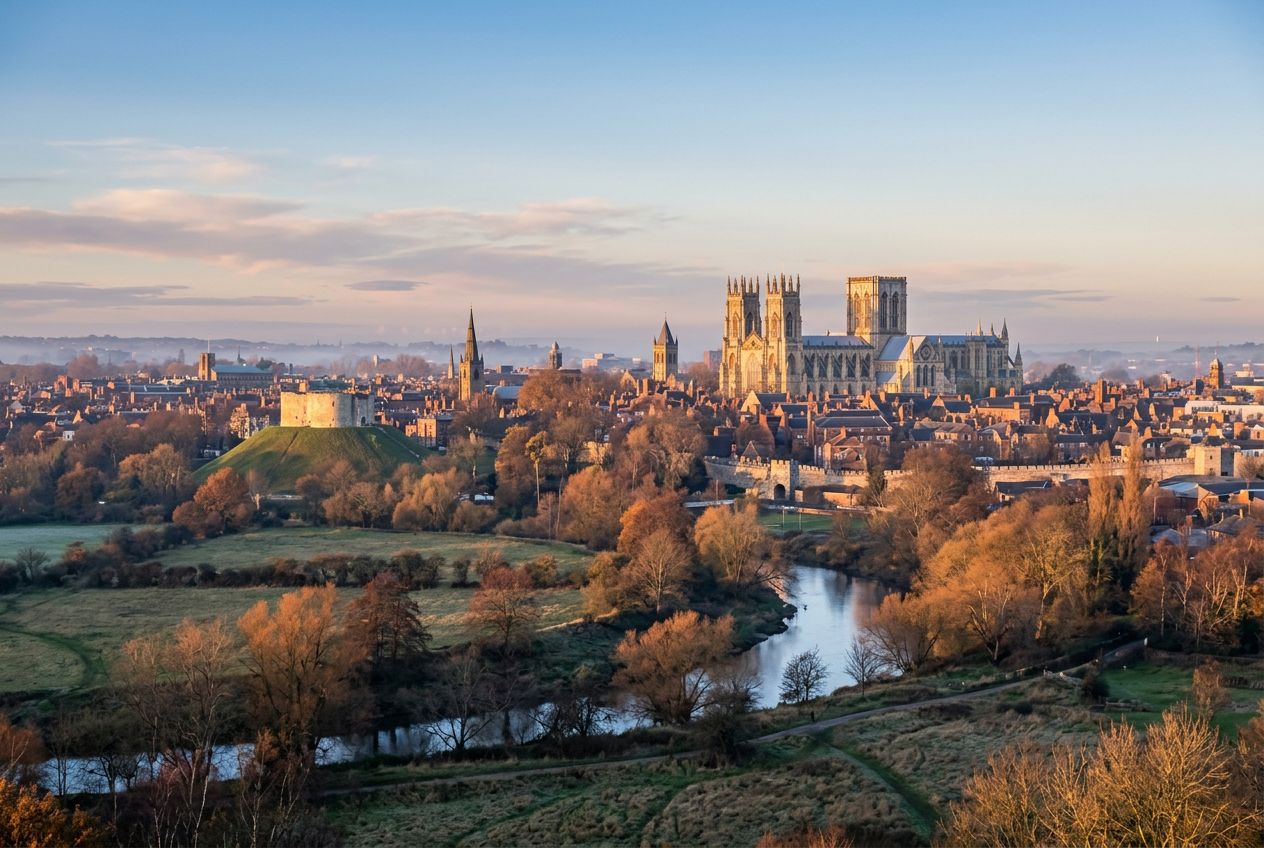
York's walls, Minster and Shambles give it a strong medieval character that is best seen on foot. Clifford's Tower and Ouse Bridge stand by the river, while Stonegate and Swinegate offer independent shops and galleries. Off the main streets, the ruins of St Mary's Abbey and quiet courtyards reward a slow walk, and the old walls suit a run.
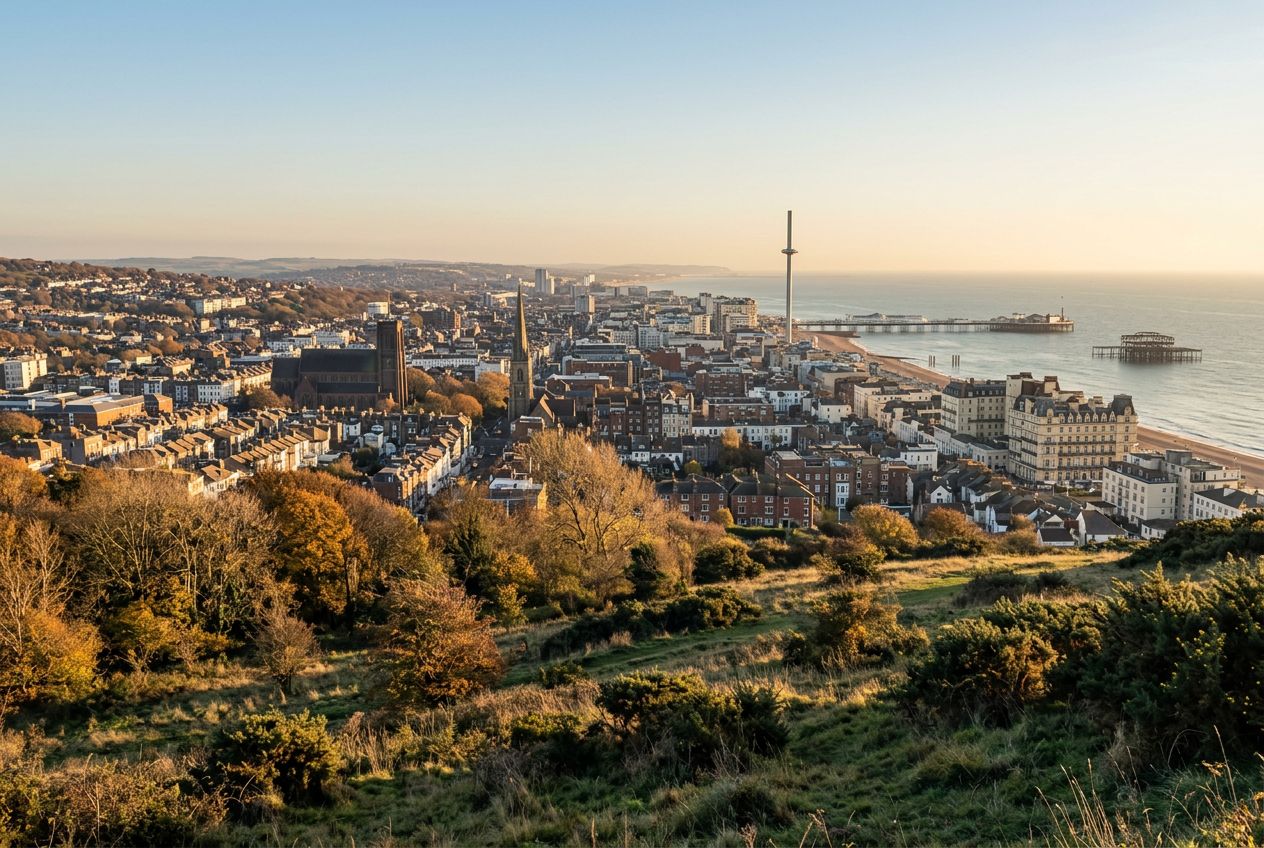
Brighton's character comes from its lanes, street art and independent shops. North Laine, The Lanes and the Royal Pavilion Gardens hold its galleries, cafés and pubs. On foot, the city rewards slow exploring, with murals on Gardner Street and quiet squares like Brighton Square tucked between the busy streets.
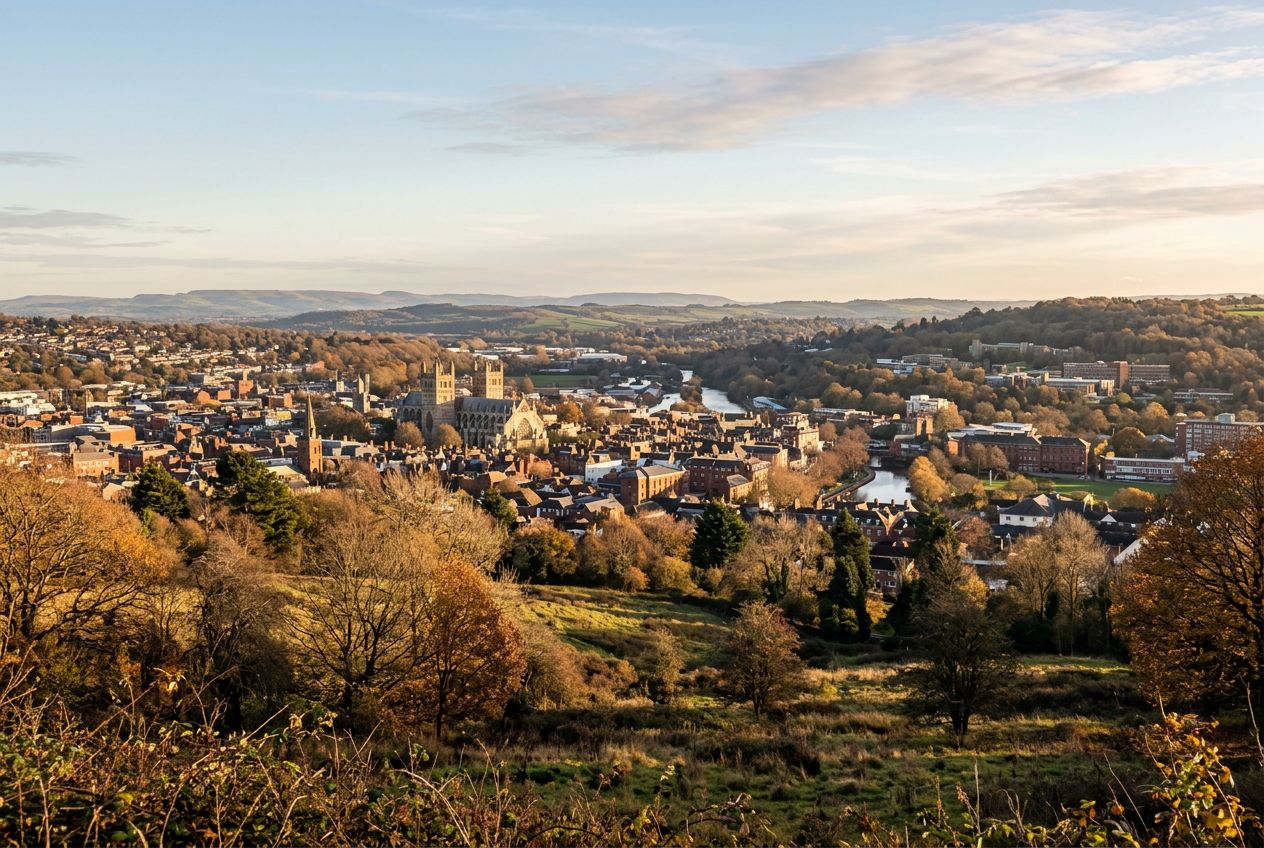
Exeter's character comes from its Gothic cathedral, Norman castle remains and Roman and medieval city walls. Its best-known places include Exeter Cathedral, Rougemont Gardens, the Guildhall and Parliament Street, which is reputed to be one of the narrowest streets in the world. Cobbled lanes and the steep Stepcote Hill make walking here a varied experience, and the Quayside suits a cycle.
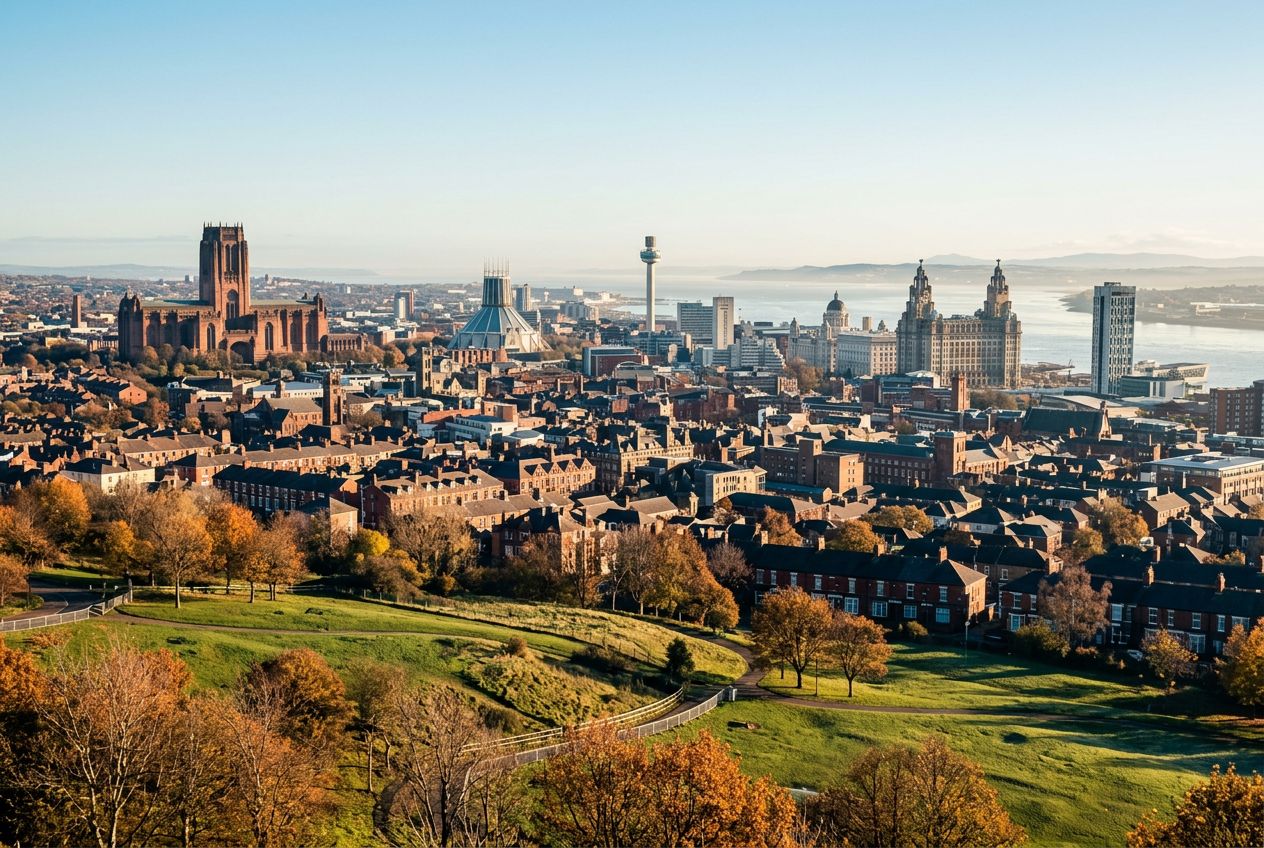
Liverpool's waterfront at Pier Head and its music heritage around Mathew Street give the city a strong sense of history. The Royal Albert Dock, Town Hall and Museum of Liverpool sit within an easy walk, and the Ropewalks area holds lively pubs and bars for an evening.
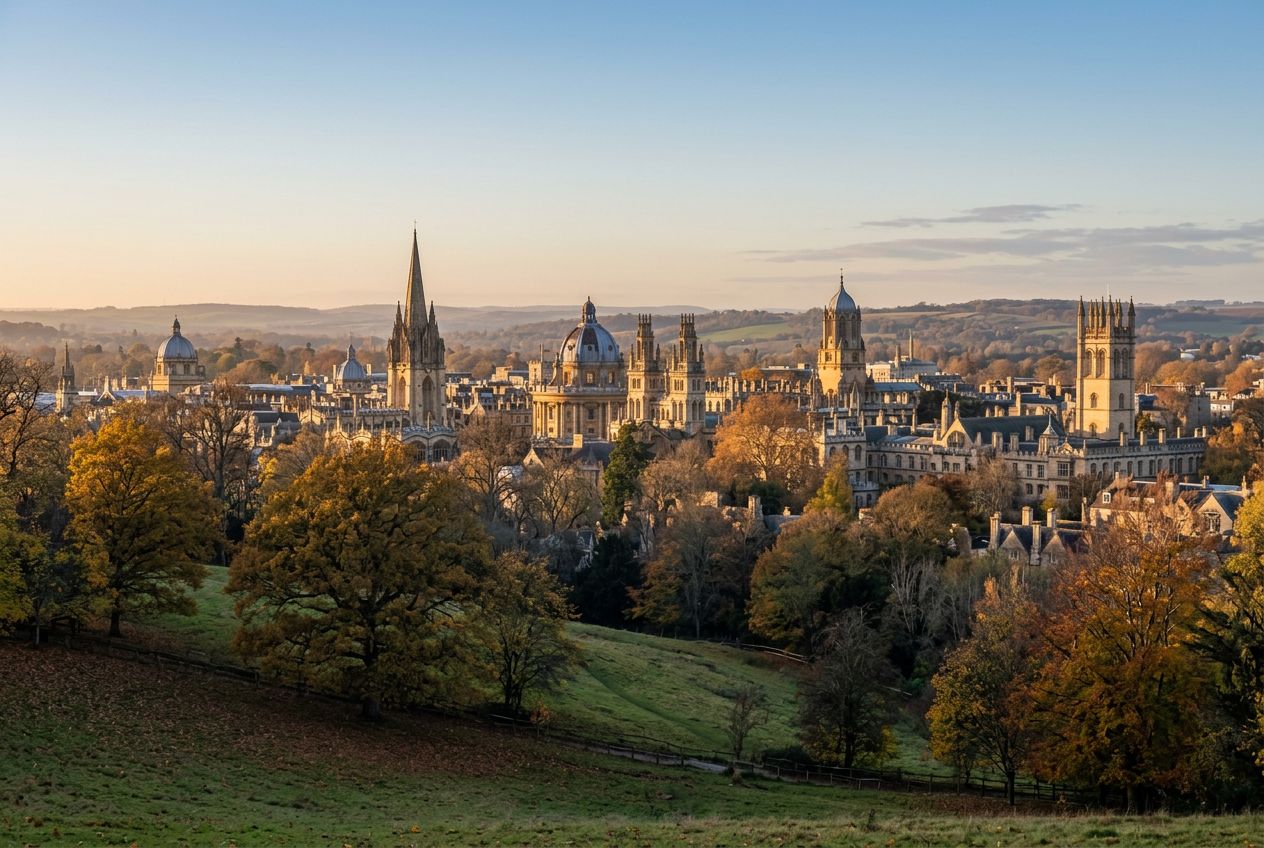
Oxford is known for its colleges, old lanes and the Radcliffe Camera, which many tours use as a starting point. Narrow passages such as Logic Lane and Turl Street run past ancient college walls, while Christ Church Meadow offers a green break. On foot the streets feel quiet and layered with history, and the city also suits runs and bike rides.
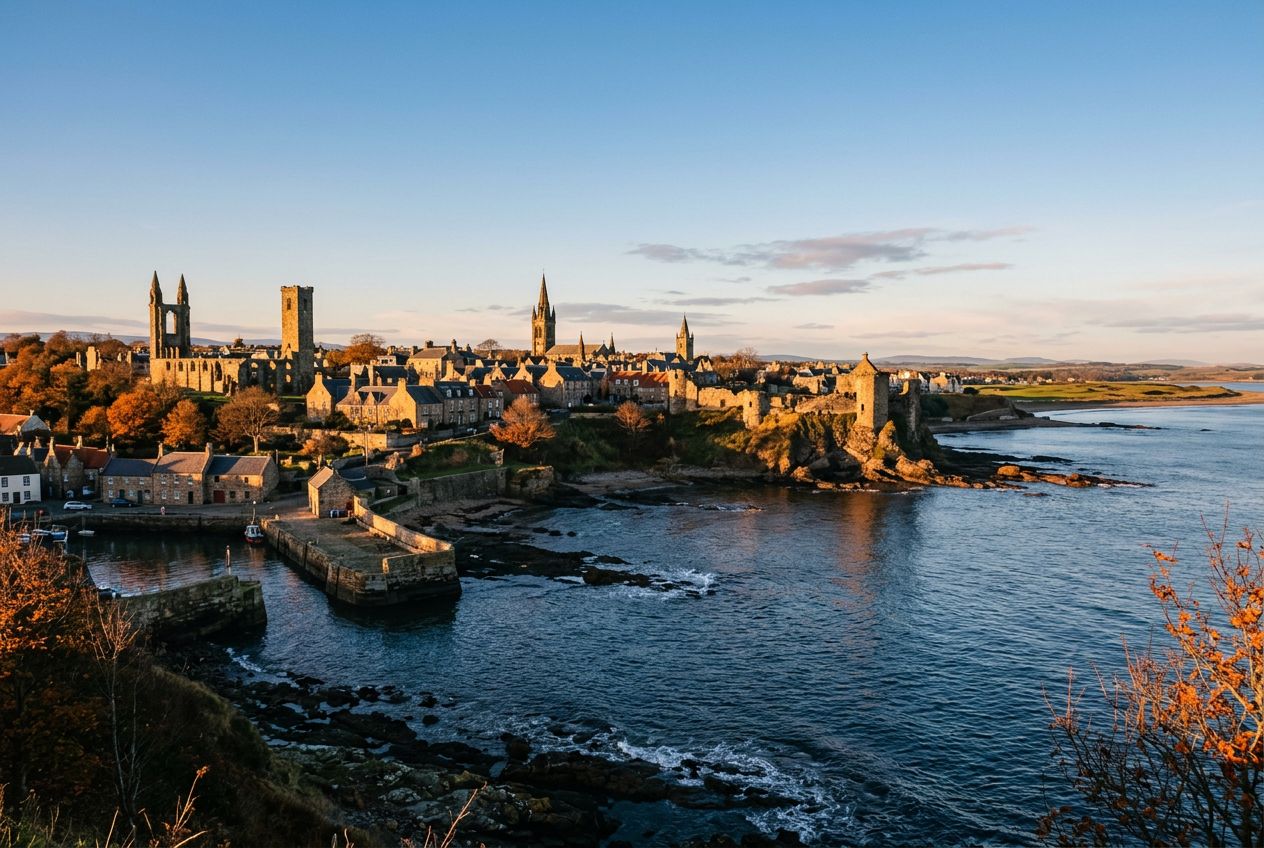
St Andrews is a university town with collegiate quadrangles, narrow closes and the ruins of its cathedral and castle on the cliff edge. Its old stones and folklore make the streets feel layered with centuries of history. Walking the town is an easy way to take in its quiet courtyards, small museums and the nearby Kinburn Park.
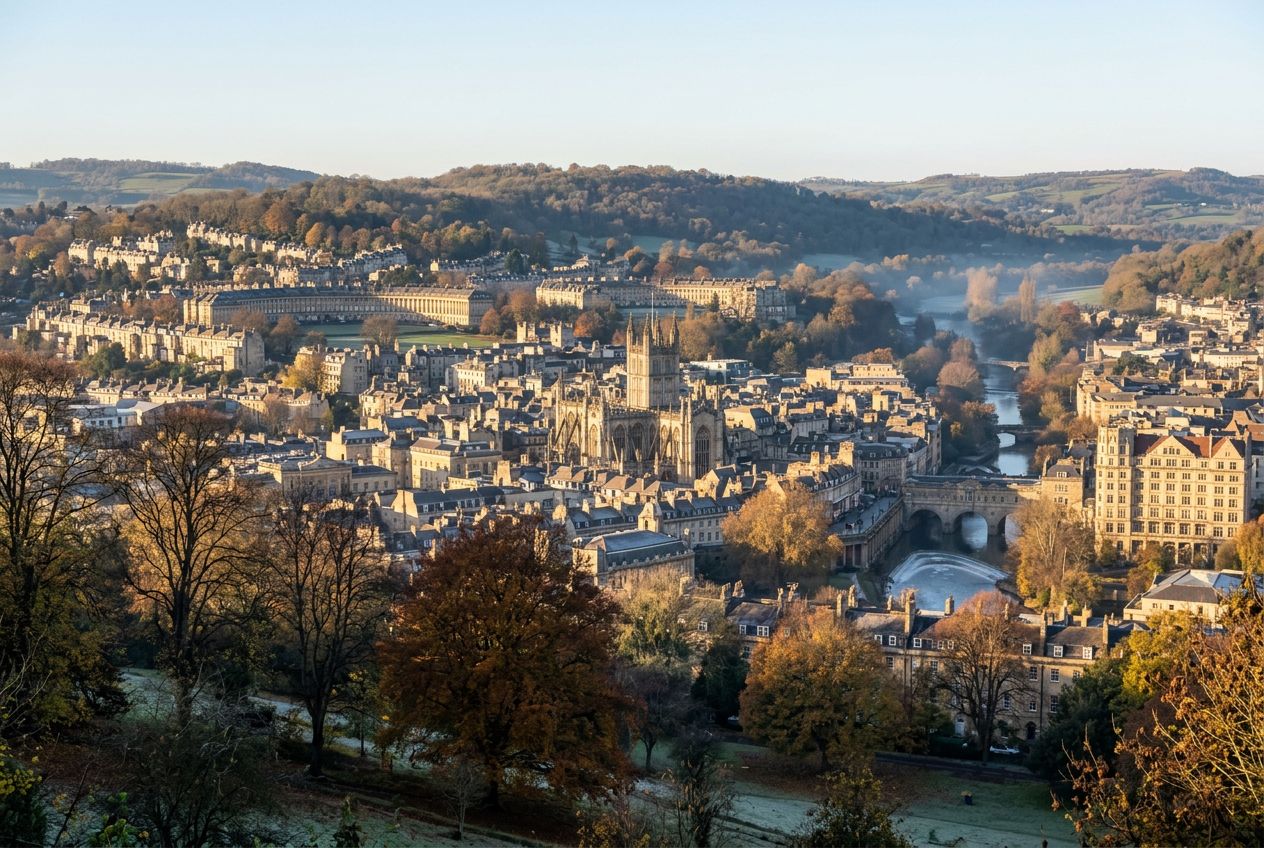
Bath is known for its Georgian architecture, Roman Baths, Pulteney Bridge and the grand crescents and squares built in stone. Walking between them takes you past green spaces such as Royal Victoria Park and Parade Gardens. Narrow side streets and cobbled squares like Abbey Green make the city a rewarding place to explore on foot.
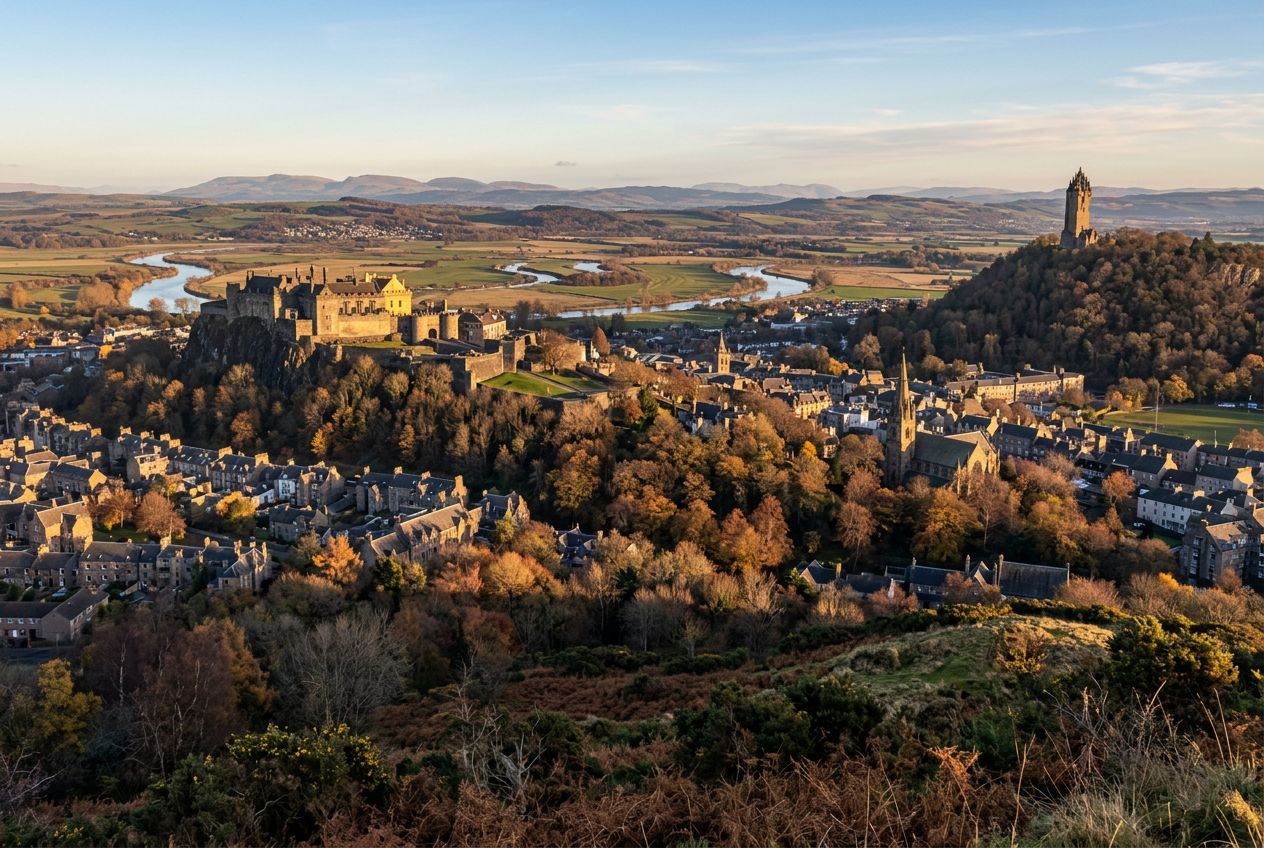
Stirling is a town of old stone, with Cowane's Hospital, Mar's Wark and the Church of the Holy Rude on its historic Broad Street. Cobbled lanes lead past the Mercat Cross and a Victorian arcade toward the castle. Walking the quiet side lanes reveals murals and street art, and the green spaces of King's Park offer room to run.
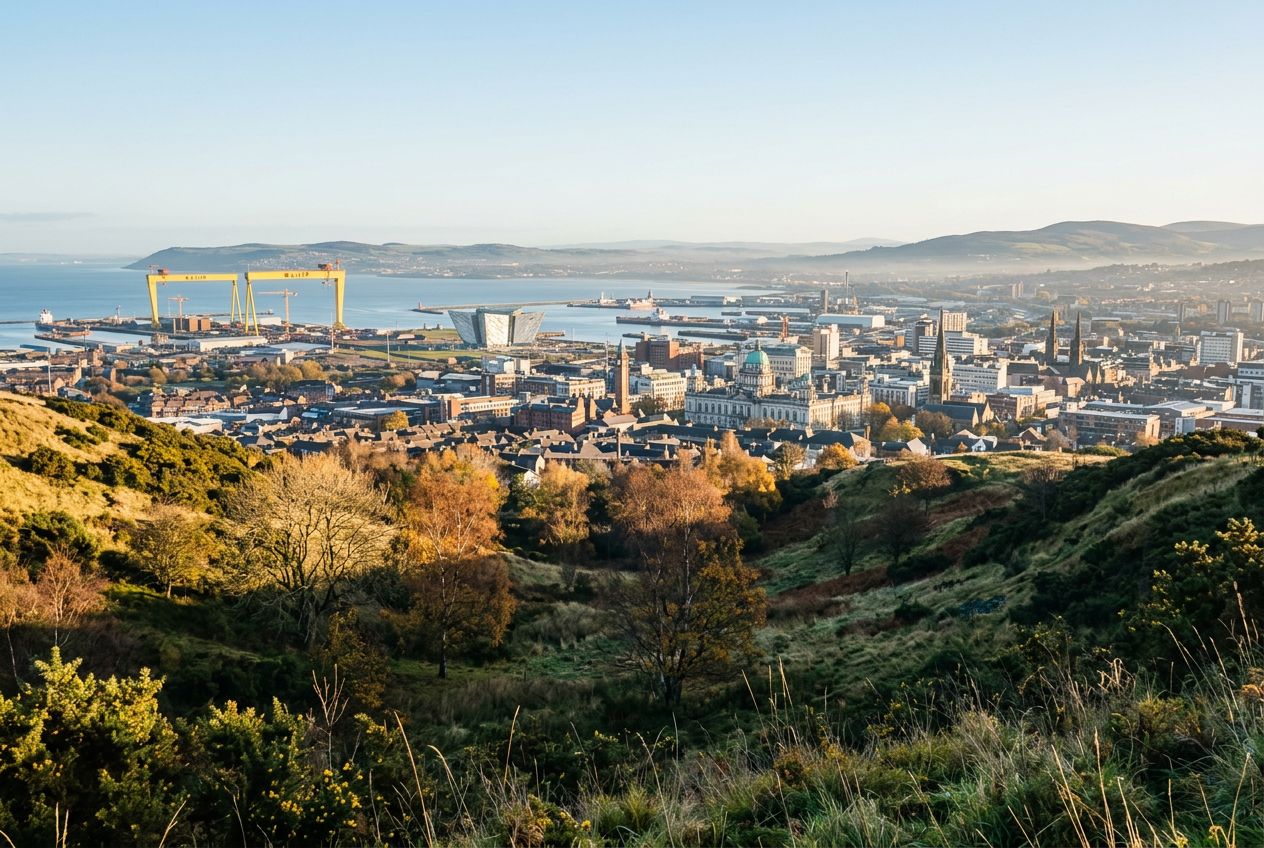
Belfast's old centre is made up of narrow entries, historic churches and quiet courtyards, many with folklore attached. St Anne's Cathedral, Commercial Court and Kelly's Cellars, a pub dating back to 1720, stand among its landmarks. Its character is best seen slowly on foot, moving between the lanes and the stories they hold.
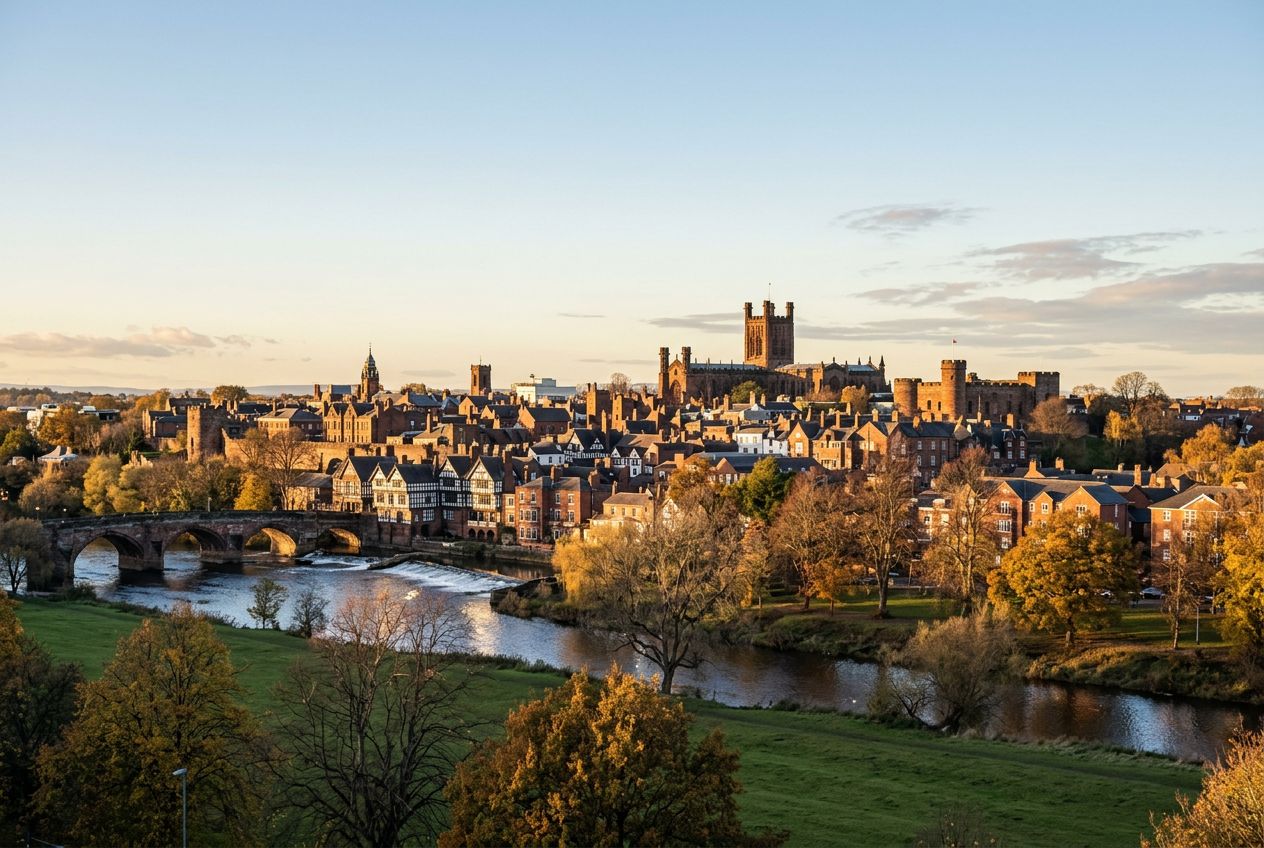
Chester's character comes from its Roman and medieval past, seen in the Rows, the city walls and the Eastgate Clock. Its best-known sights include Chester Cathedral, the Roman Amphitheatre and The Groves along the River Dee. Walking the old streets and climbing onto the ancient walls lets you follow centuries of history at a steady pace.
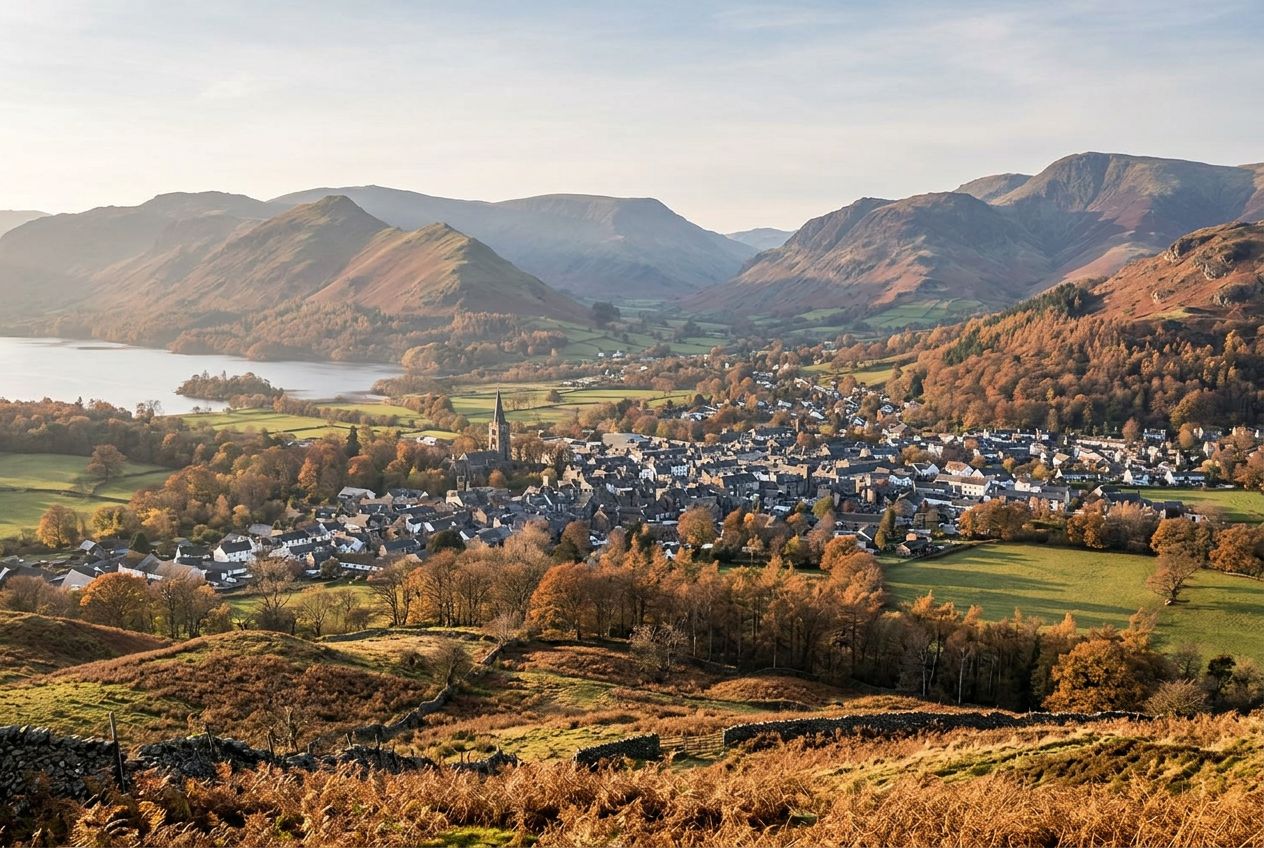
Set in the Lake District, Keswick takes its character from the market square, Moot Hall and the calm edge of Derwentwater. Walks lead from the busy centre past St John's Church and the green spaces of Fitz Park and Hope Park down to Crow Park's views over the lake and surrounding fells.