







Hear a route
50,000 stories are waiting to be told. Press play on one.
Routes
On the map
Every pin is a route, and every route is full of stories.
 Route Stories
50,000 stories are waiting to be told. Press play on one.
Every pin is a route, and every route is full of stories.
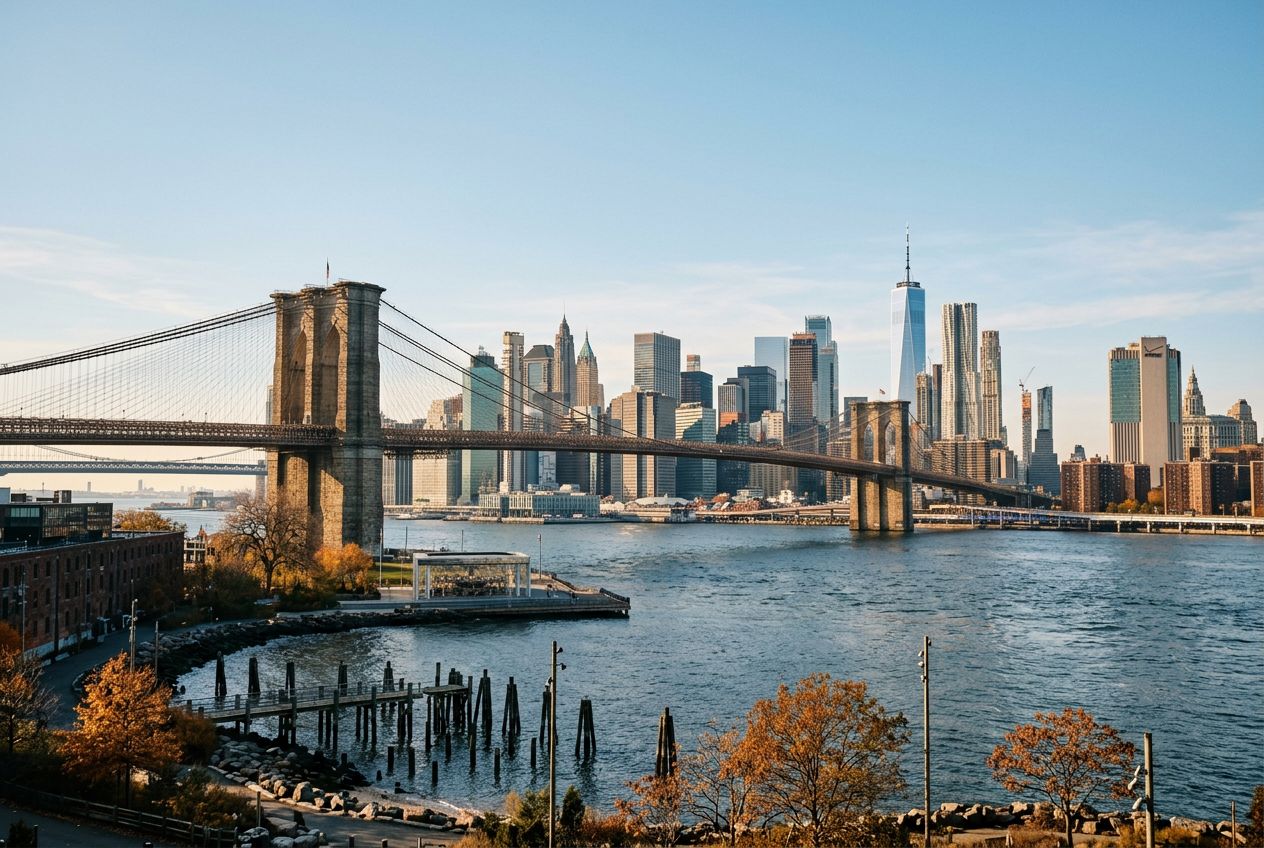
Self-guided audio tours to walk, run, cycle and explore in 33 cities: New York, San Francisco, Chicago and New Orleans and more, each told in your own language.
Self-guided audio tours to walk, run, cycle and explore in 33 cities: New York, San Francisco, Chicago and New Orleans and more, each told in your own language. Each plays narration and original music from your phone as you reach each place.
New York's downtown holds some of its oldest streets, including the cobblestones of Stone Street and the historic square at Hanover Square. Trinity Church and St. Paul's Chapel mark the older layers of the city, while Bowery Mural Wall and Freeman Alley show its street art. Central Park's Bethesda Terrace and Sheep Meadow sit in the green core, and Hudson River Greenway suits a bike ride along the western edge.
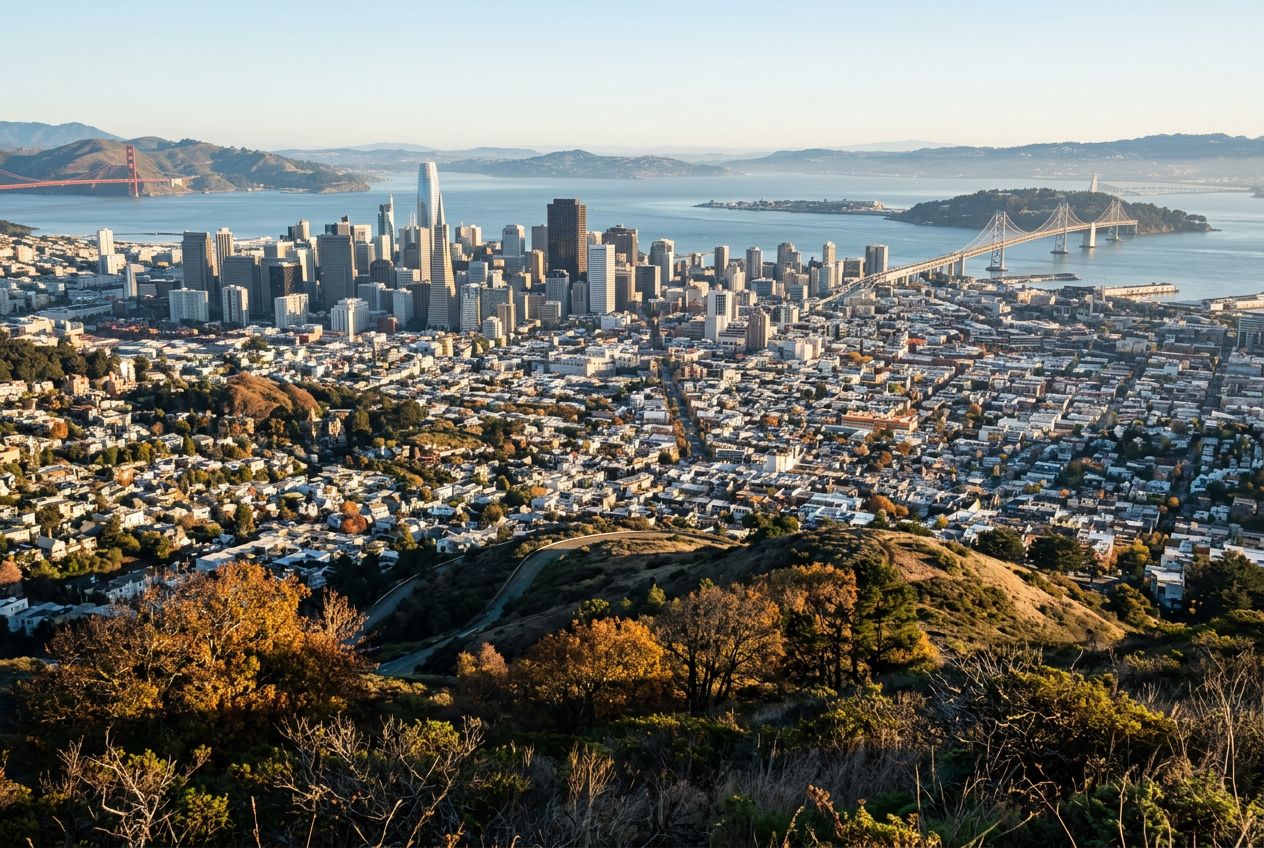
San Francisco's waterfront views take in the Golden Gate Bridge, Alcatraz and the city skyline from Crissy Field and the Presidio. Chinatown's Ross Alley and Waverly Place, the Mission's murals and North Beach's old bars add older and livelier layers. Flat, car-free promenades make the bay a good place for a walk, run or ride.
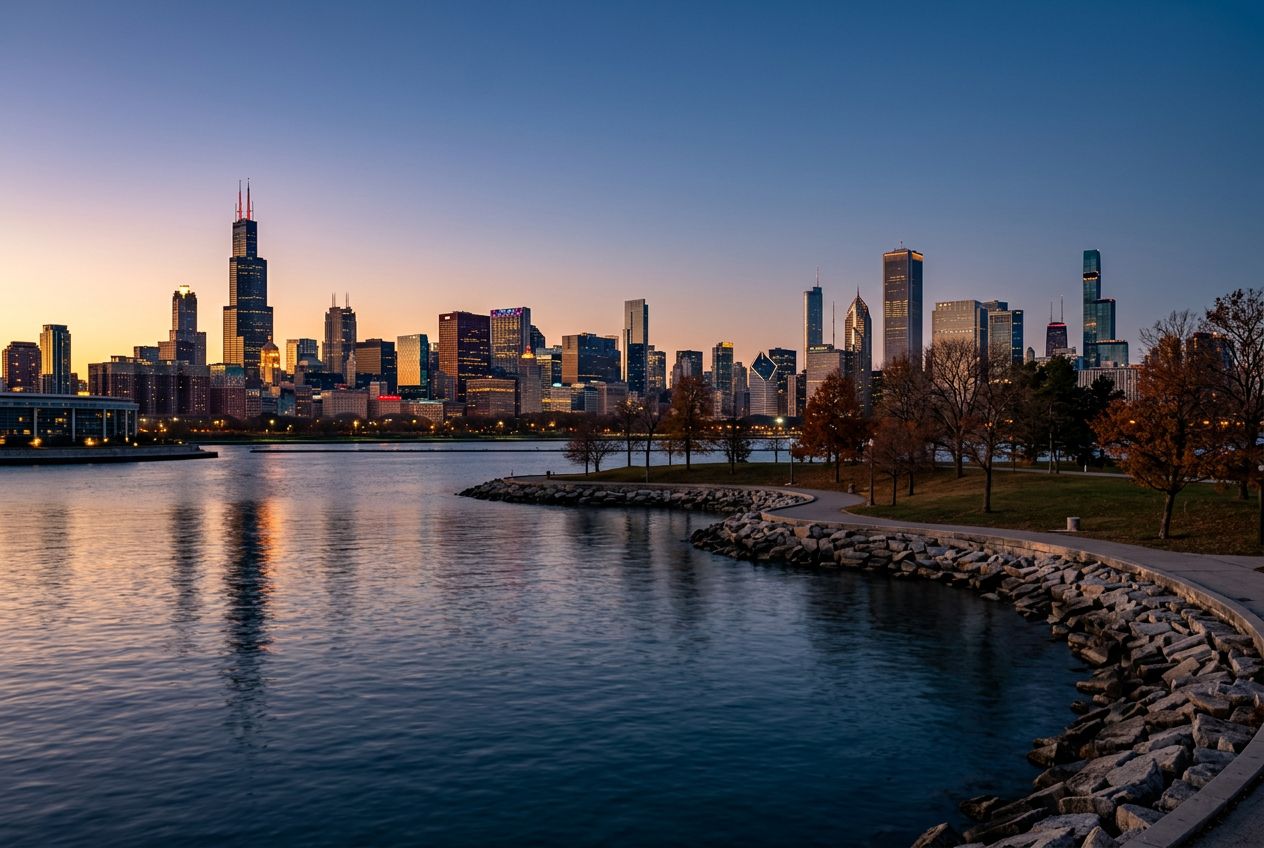
Chicago's character shows in its public art, lakefront views and skyline reflections. Its best-known places include Cloud Gate, Crown Fountain, Millennium Park and the Art Institute of Chicago. The Lakefront Trail and the Chicago Riverwalk offer car-free paths for walking, running or cycling past the city's architecture.
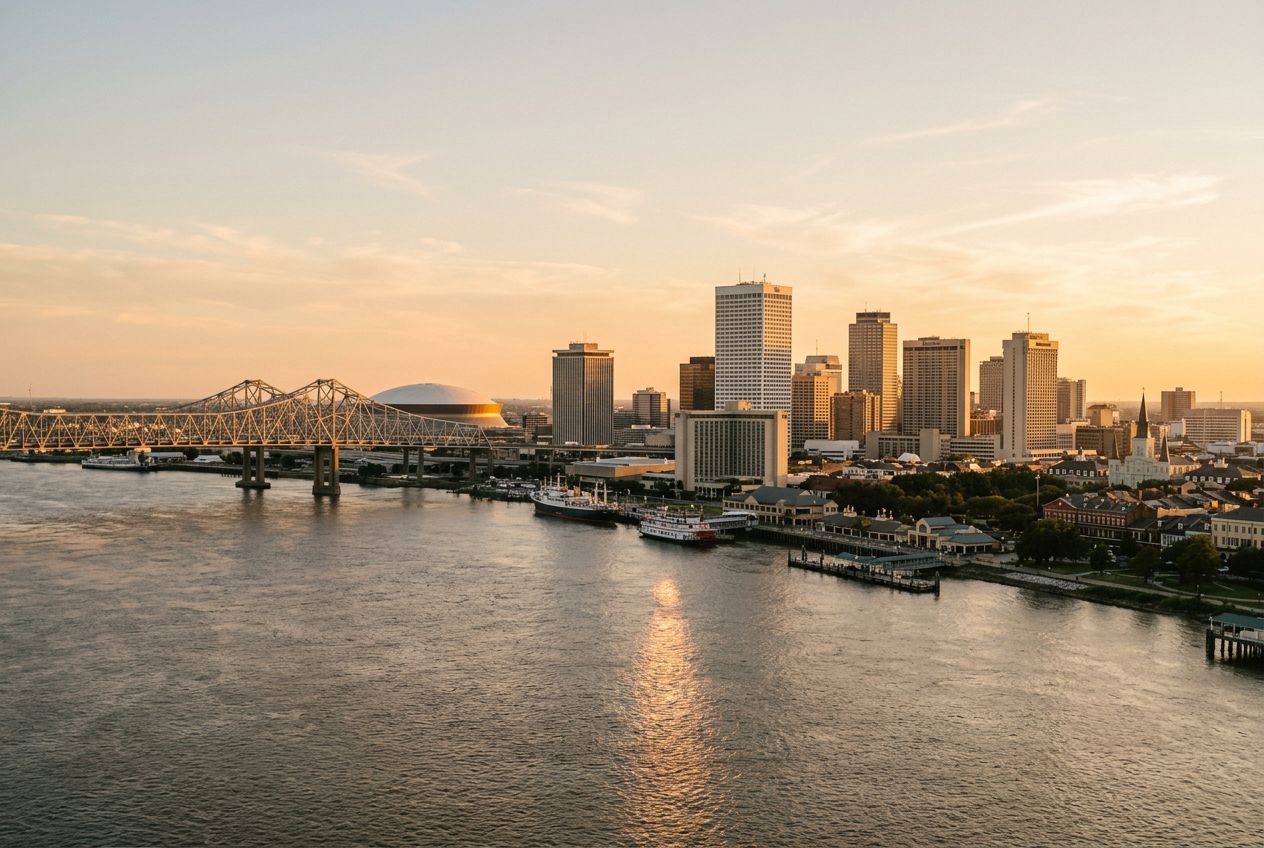
New Orleans' French Quarter is known for Jackson Square, St. Louis Cathedral and the lively French Market, all set near the Mississippi. Narrow alleys such as Pirate's Alley and Exchange Place lead to hidden courtyards, and Royal Street's galleries and Burgundy Street's murals reward slow wandering. The riverfront promenade is also a good route for a run or a bike ride past passing steamboats.
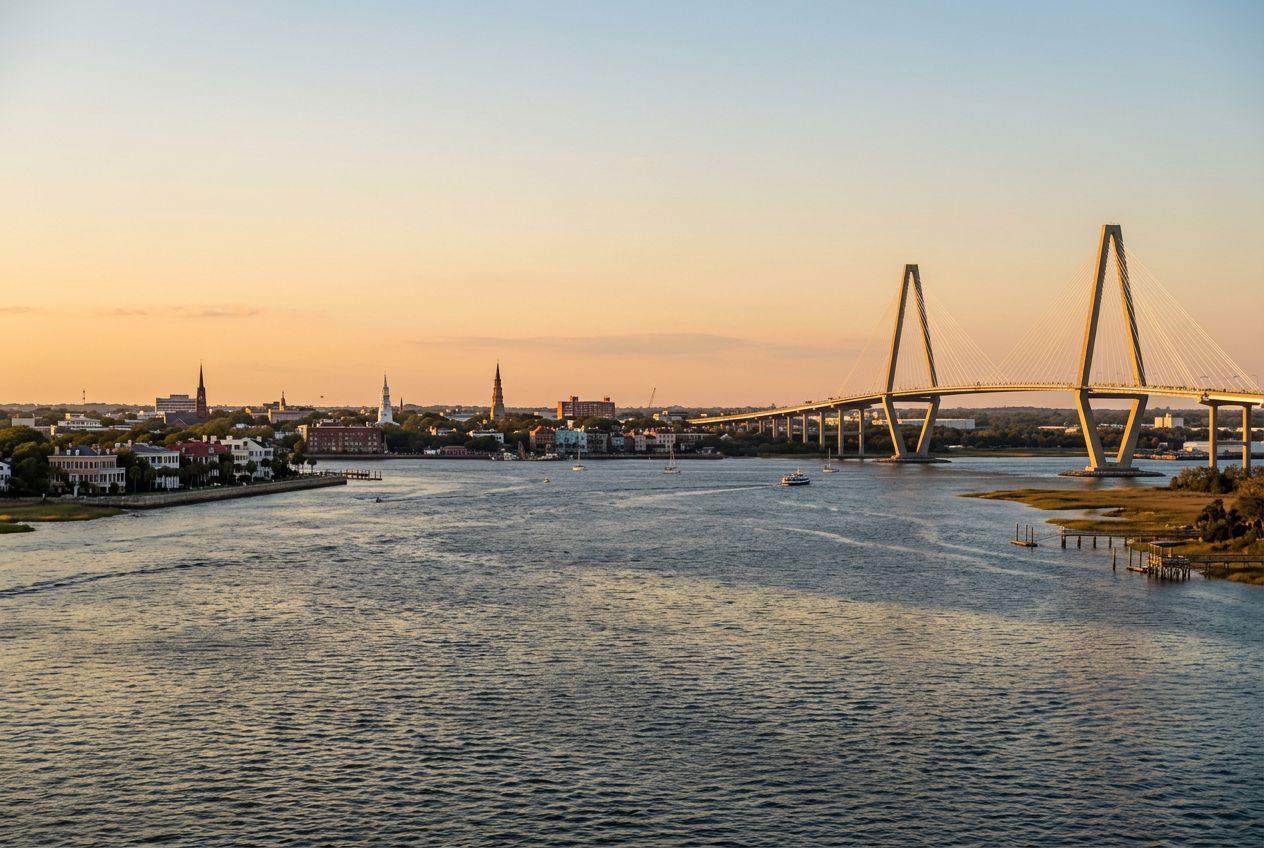
Charleston's character comes from its harbor, historic streets and pastel Georgian houses. Its best-known places include Joe Riley Waterfront Park, Rainbow Row, White Point Garden and St. Michael's Church. The car-free promenade and quiet lanes such as Philadelphia Alley make walking, running and cycling all pleasant here.
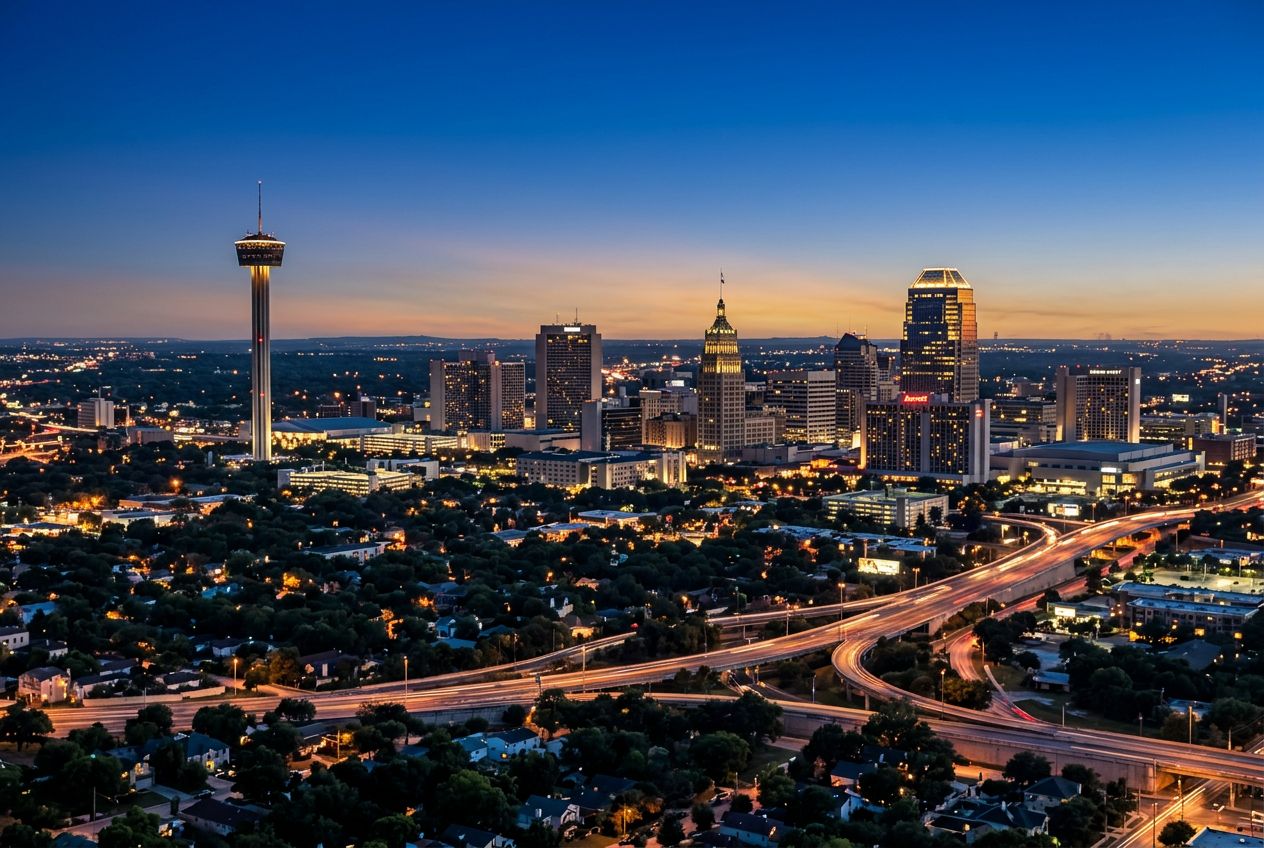
San Antonio's Riverwalk winds past bridges, bars and views of the Tower of the Americas, with the Alamo and San Fernando Cathedral close to the old Main Plaza. Its history reaches back to La Villita and the Spanish Governor's Palace. Car-free paths along the river and through Hemisfair Park and Brackenridge Park suit a slow walk, a run or a bike ride.
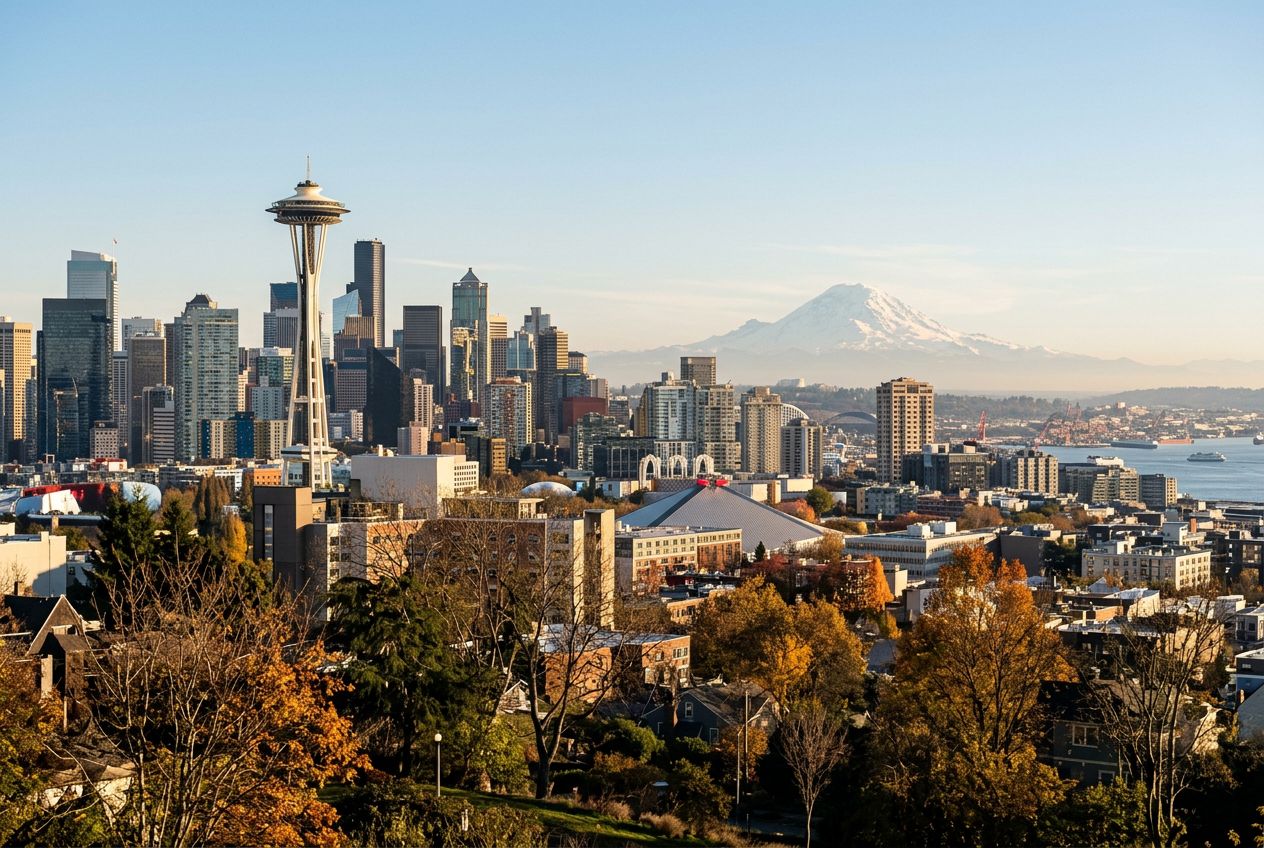
Seattle's character comes from its waterfront, Pike Place Market and the historic Pioneer Square. Elliott Bay views, the Gum Wall and the Pioneer Square Pergola sit close together in the centre. Green Lake and Lake Union offer quieter loops, and the lakeside paths suit a walk, a run or a ride.
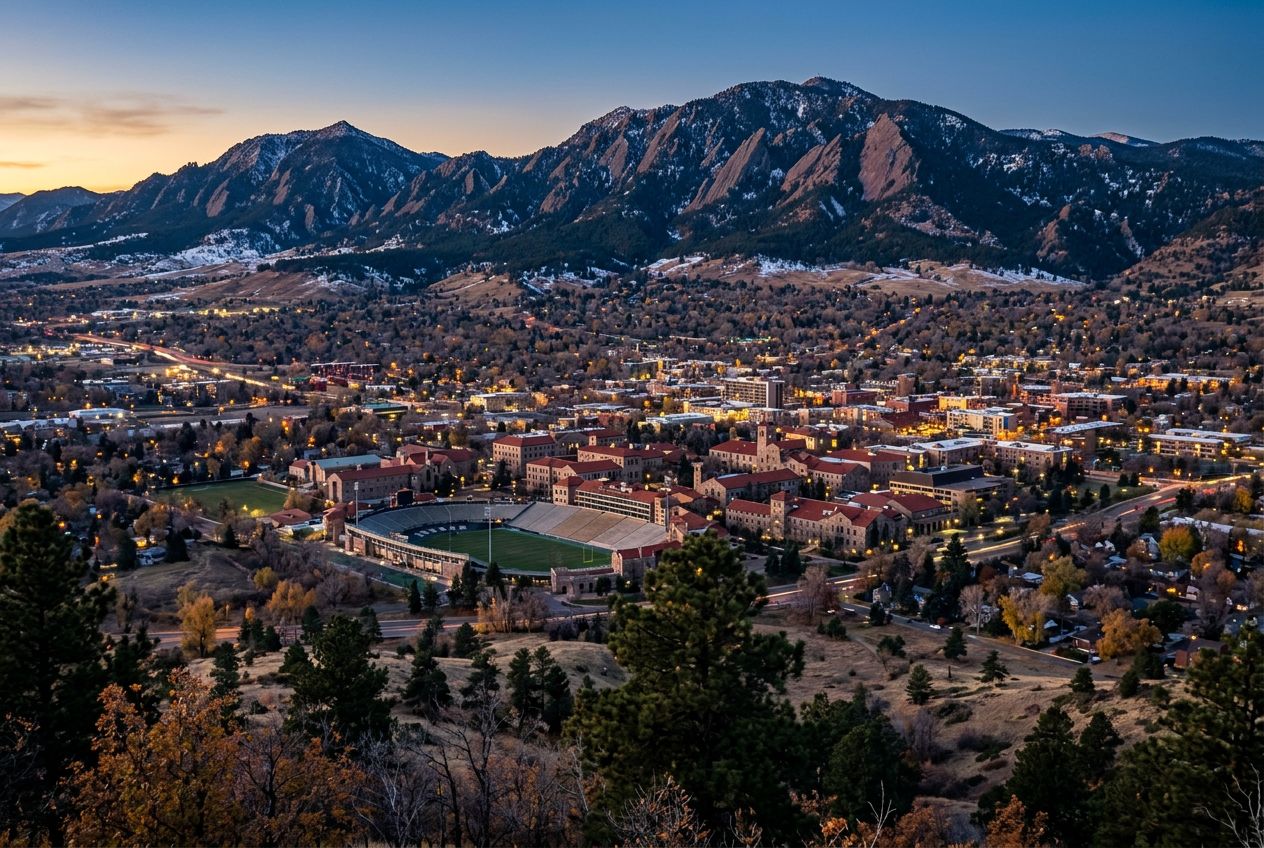
Boulder sits beside the Flatirons, with Boulder Creek running through the city and its paths. The creek path links Central Park, Eben G. Fine Park and the Pearl Street Mall. Walkers, runners and cyclists can follow the water past the Dushanbe Teahouse and the old courthouse, with mountain views opening up along the way.
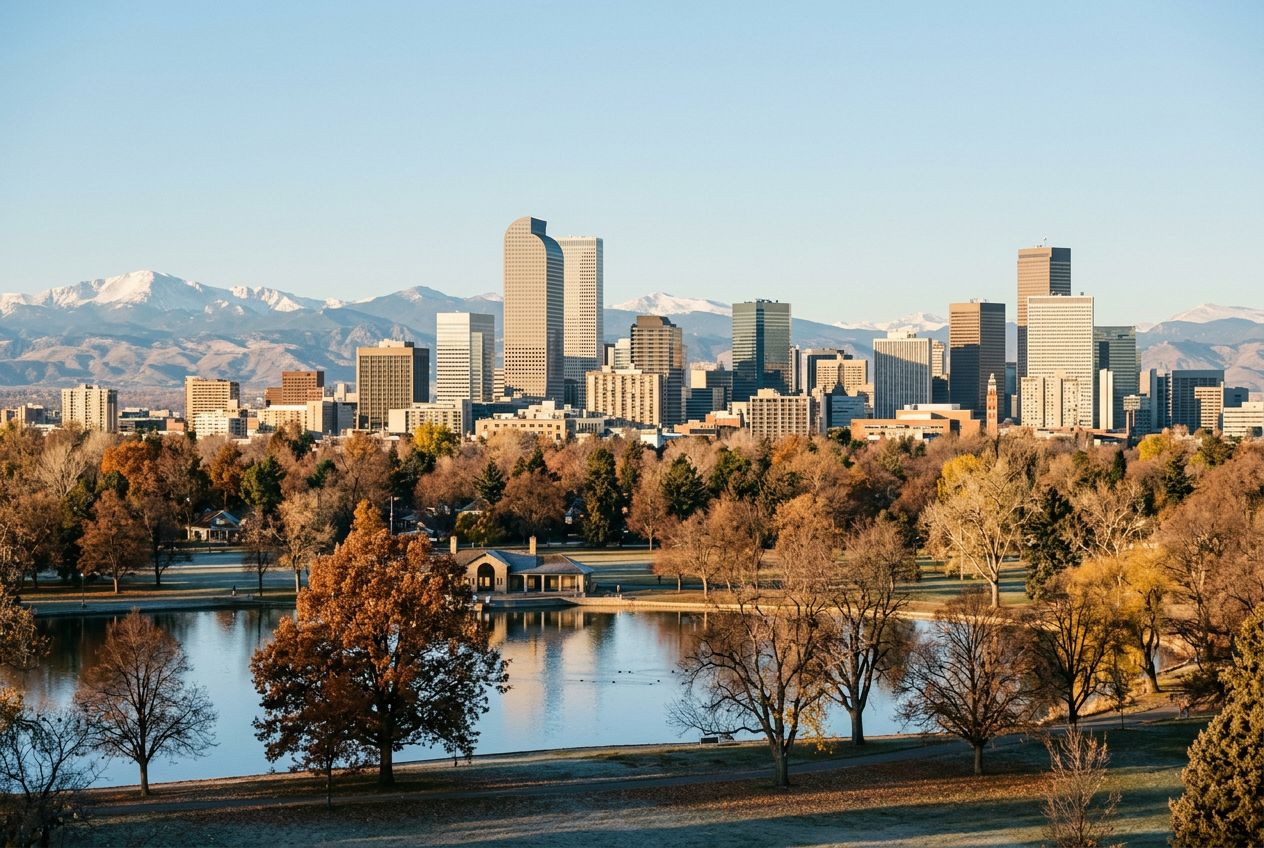
Denver's character blends Western history with a lively arts scene in its RiNo district and along downtown streets. Its best-known places include Union Station, Larimer Square and the Colorado State Capitol, with the Rocky Mountains visible from the Capitol. Car-free paths along the South Platte River and Cherry Creek let walkers, runners and cyclists enjoy the skyline.
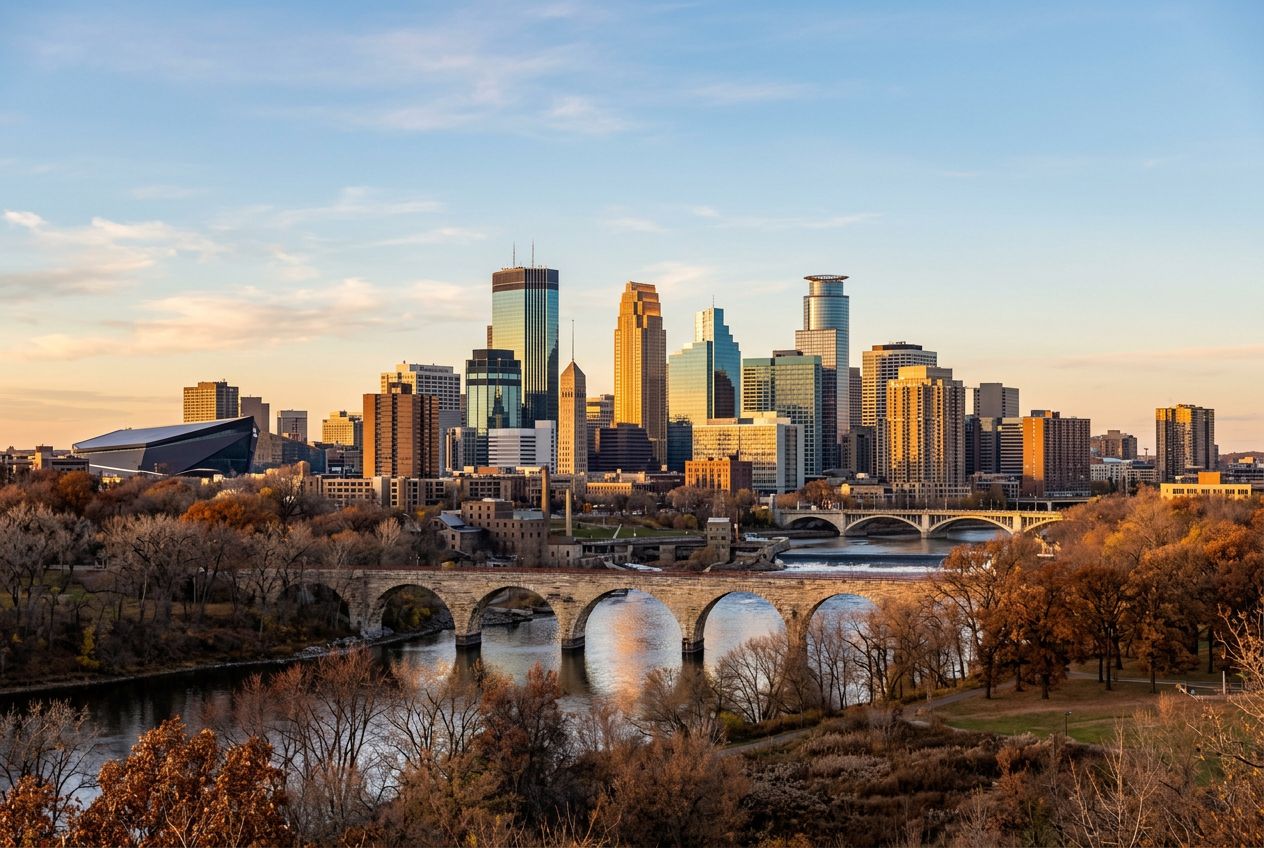
Minneapolis grew up around the waterfalls of the Mississippi River, and its old flour mills, ruins and cobblestone streets still shape the riverside. Walkers can cross the Stone Arch Bridge, wander St. Anthony Main and look out from Gold Medal Park over the falls and downtown. Quiet riverside paths make it easy to explore on foot, by bike or on a run.
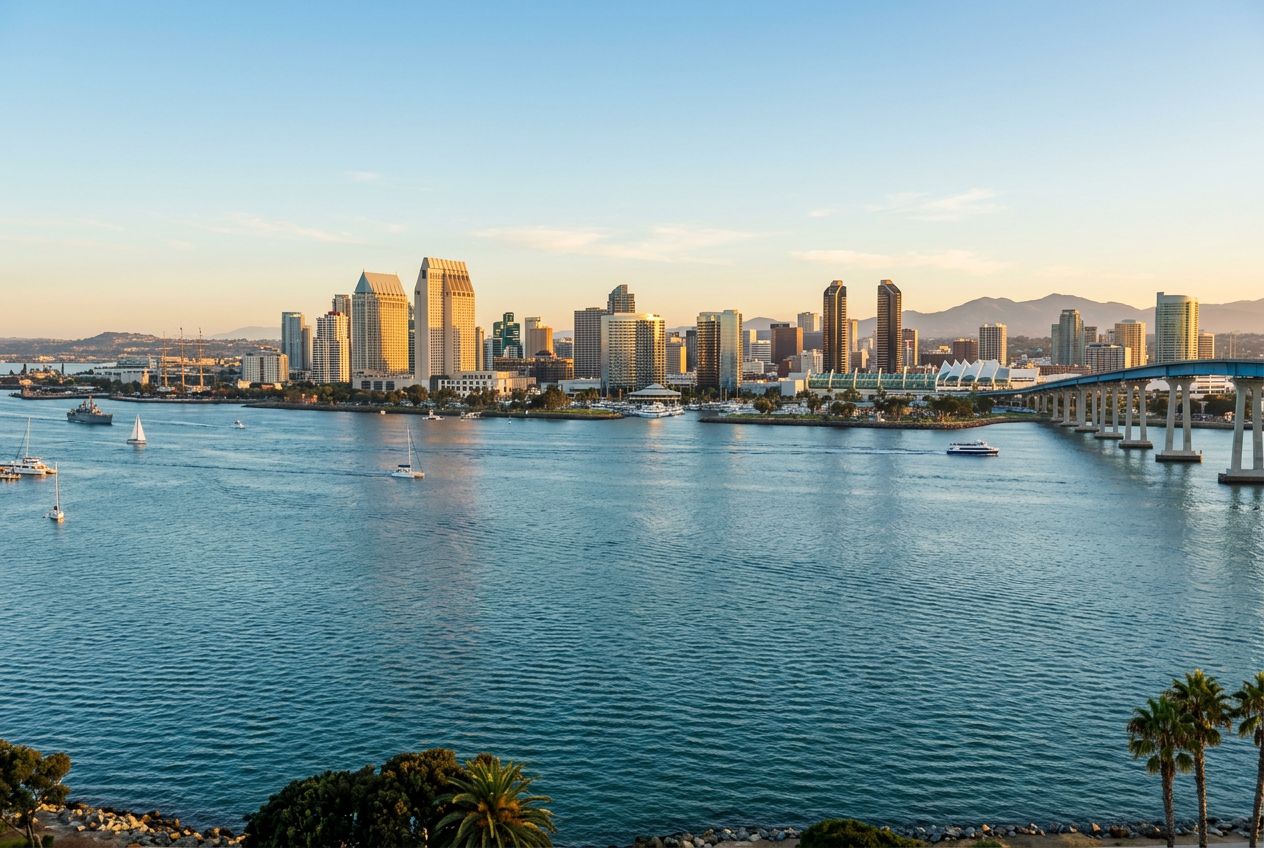
San Diego combines bay waterfront, Balboa Park and a historic Old Town. The park holds the Spreckels Organ Pavilion, the Botanical Building beside the Lily Pond and the Japanese Friendship Garden, while Harbor Island and Shelter Island draw cyclists to the water. Paths through the park and along the bay are well suited to walking, running or riding a bike.
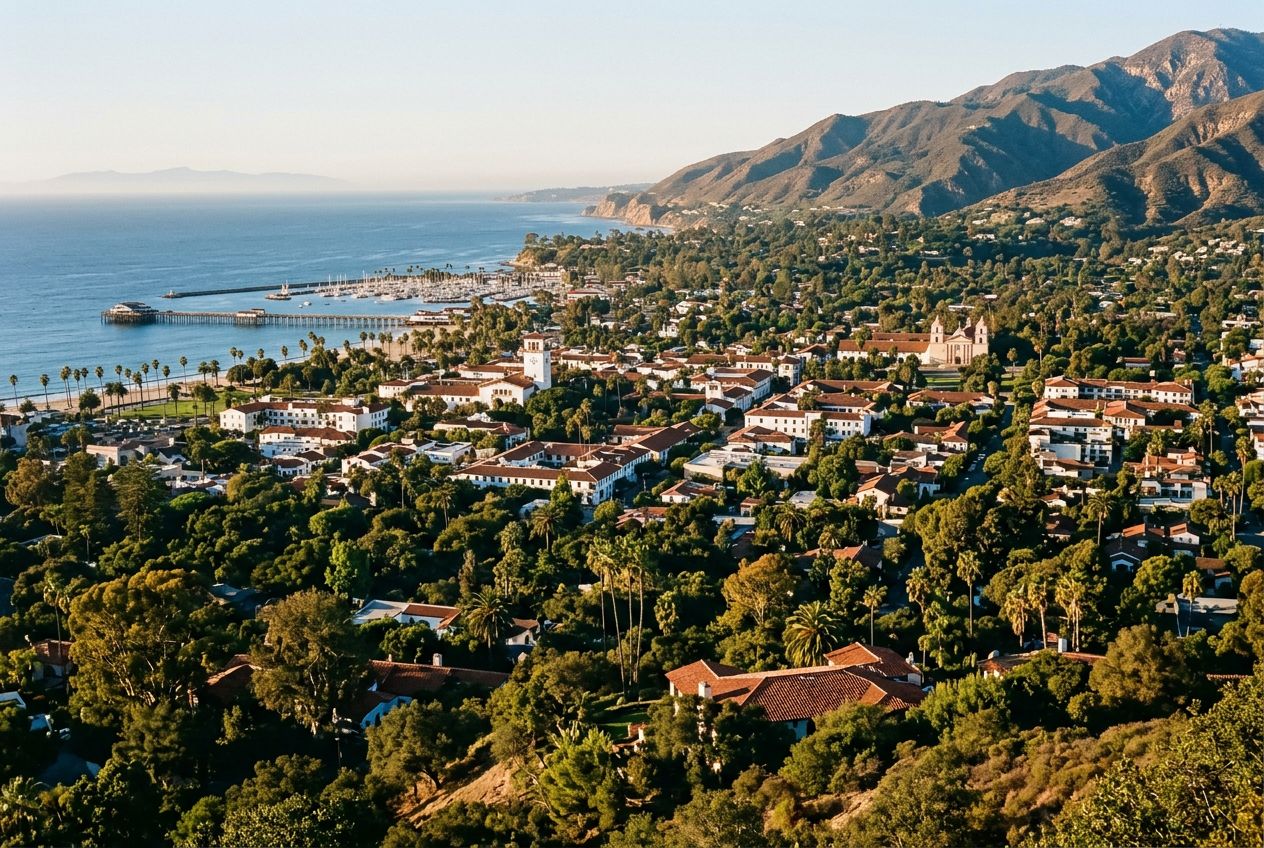
Santa Barbara sits on a palm-lined coast, with Stearns Wharf and the harbor below the Santa Ynez Mountains. Spanish Colonial buildings such as the County Courthouse, El Presidio and Casa de la Guerra give its historic streets a distinct character. The Cabrillo Bike Path and the parks along the shore make it easy to walk, run or cycle.
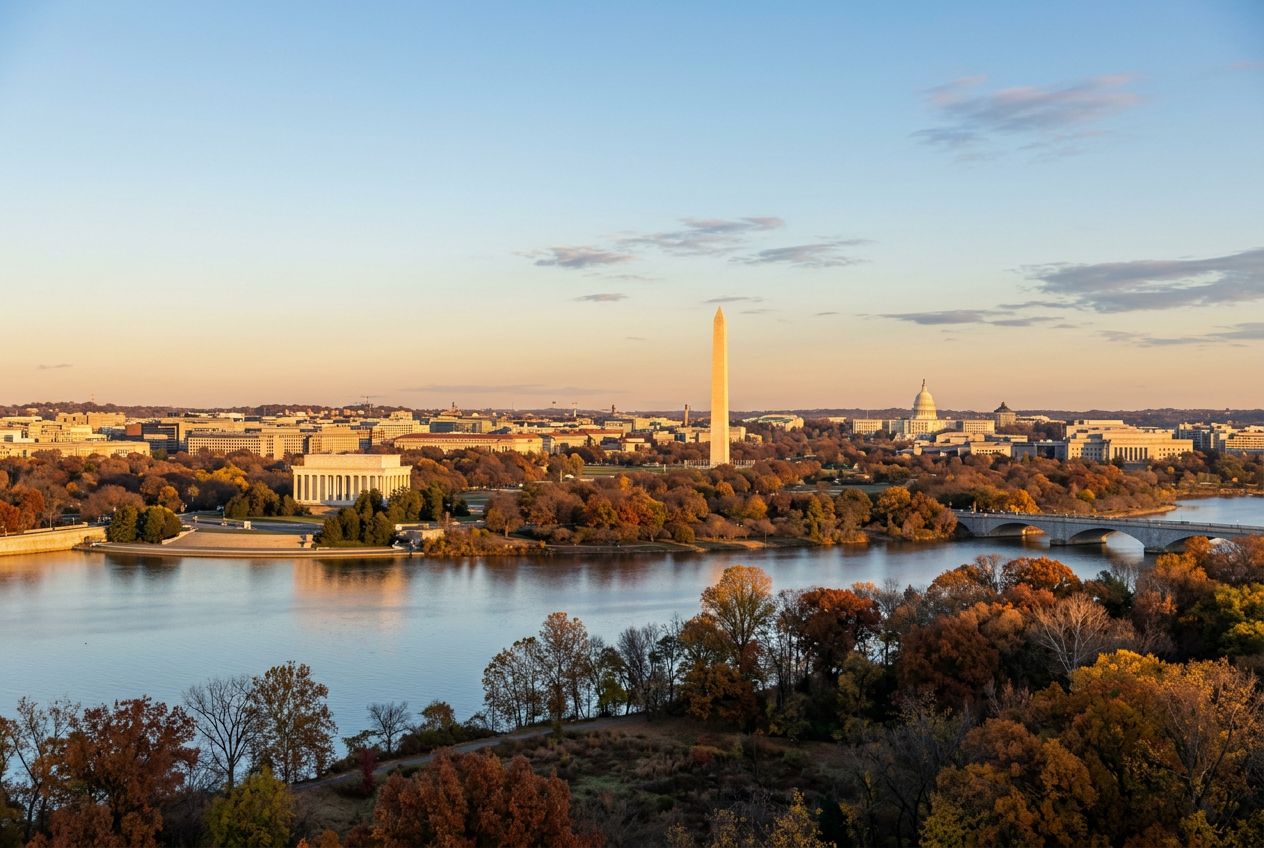
Washington DC's monuments line the Potomac and the Tidal Basin, where the Lincoln and Jefferson Memorials offer grand views. Wide car-free paths around Hains Point and the Reflecting Pool suit runners and cyclists, while the C&O Canal towpath leads to Georgetown. In Georgetown's cobbled alleys, old townhouses and courtyards offer a quieter pace.
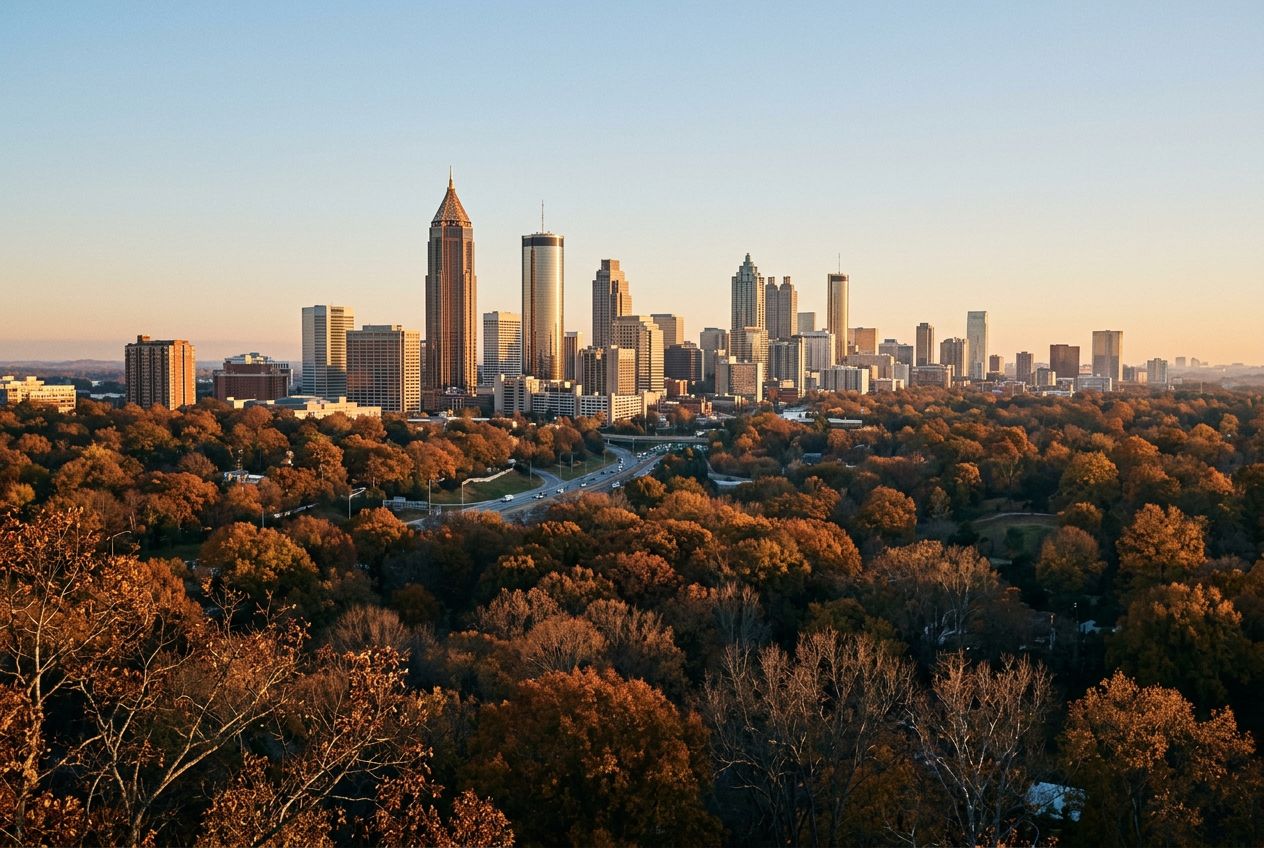
Atlanta's outdoor life centres on the BeltLine, Piedmont Park and the Chattahoochee River, with murals and public art along the way. Walks through Cabbagetown, Inman Park and Krog Street Market reveal the city's creative side. Car-free trails make runs and rides easy, with skyline views from the BeltLine and quieter forest paths along the river.
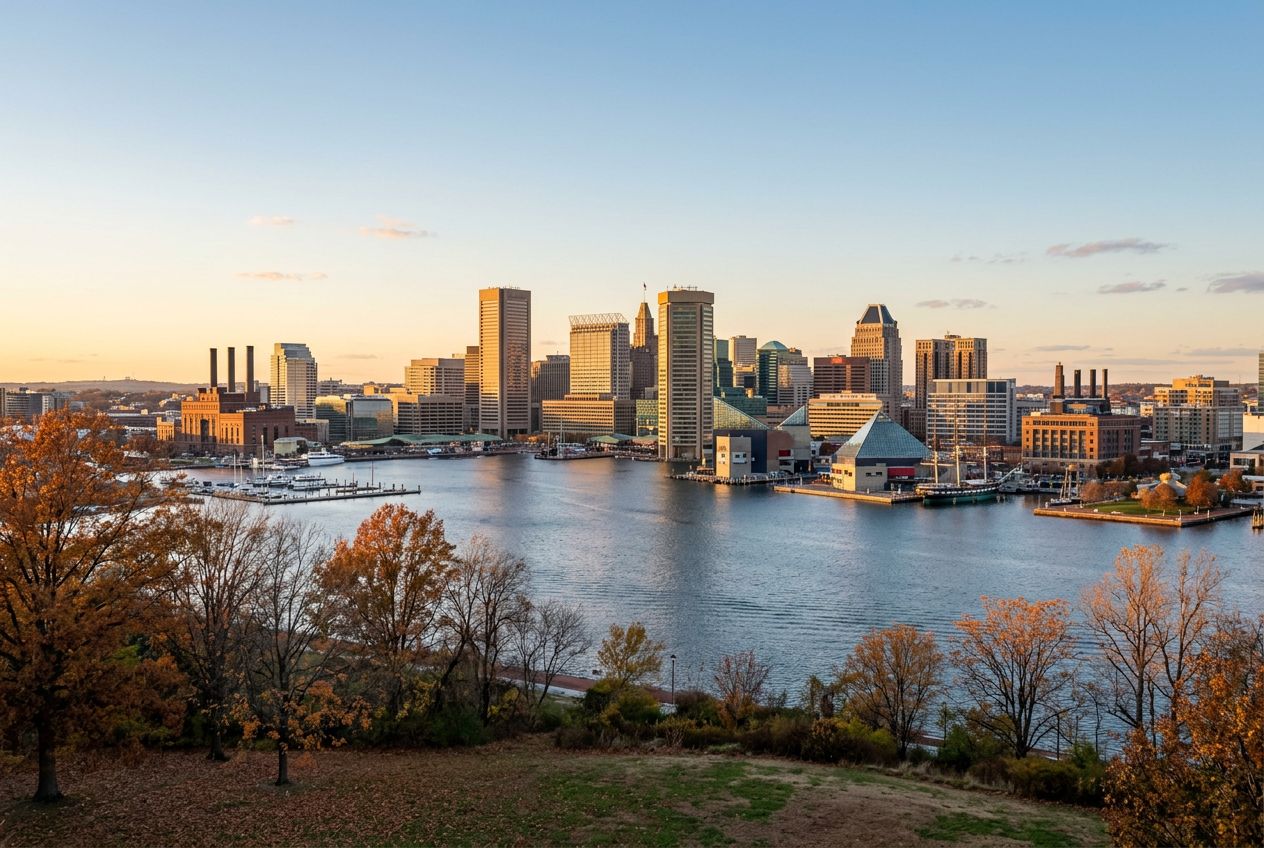
Baltimore's Inner Harbor, Federal Hill and the historic Fells Point waterfront give the city its shape. Old churches, the Phoenix Shot Tower and the Star-Spangled Banner Flag House mark its long history. Wide, car-free promenades along the harbor suit walkers, runners and cyclists, and the views from Federal Hill are a highlight.
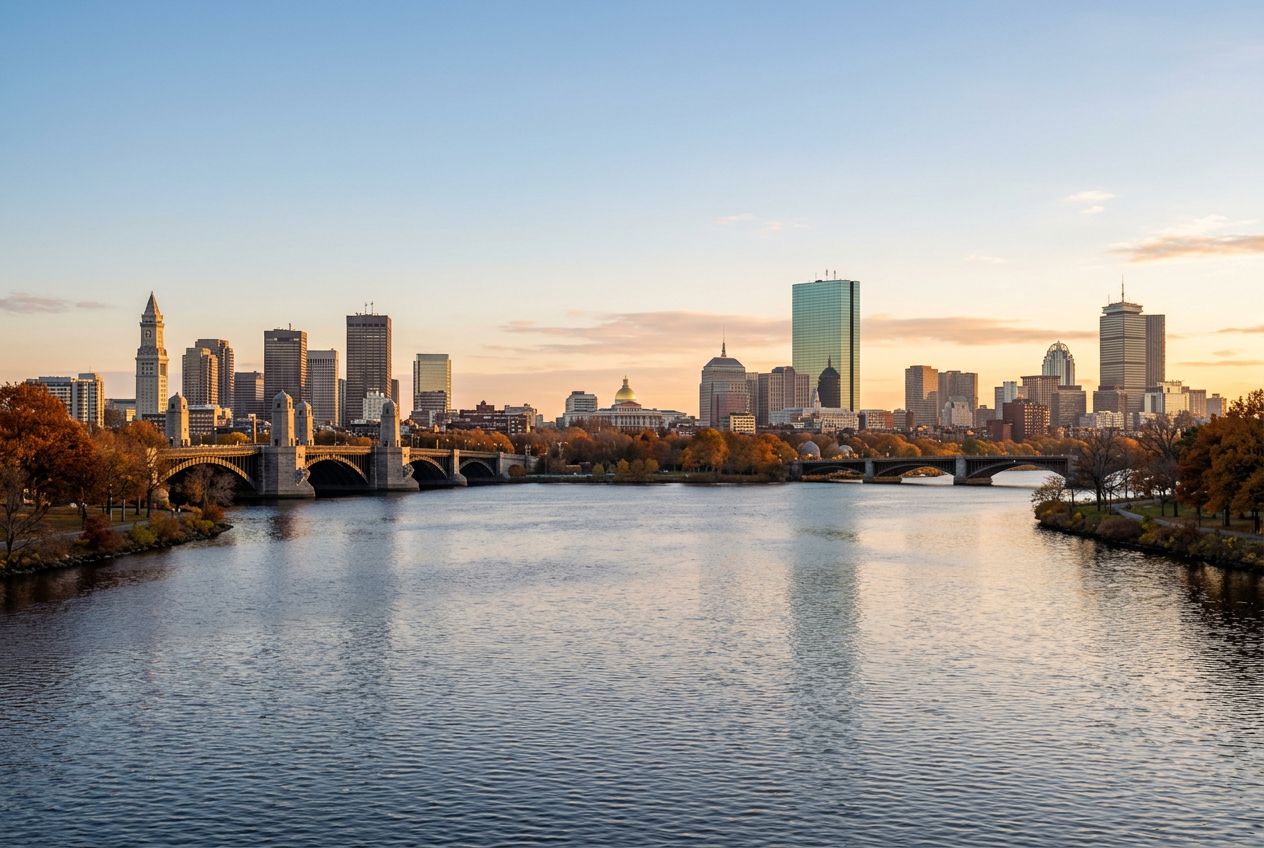
Boston's history runs through Beacon Hill, the Old North Church, the Paul Revere House and Boston Common, America's oldest public park. Acorn Street's cobblestones, the Public Garden and the old alleys of the Blackstone Block add to the sense of a city shaped by its past. It is well suited to slow walks, with a few stops in old taverns along the way.
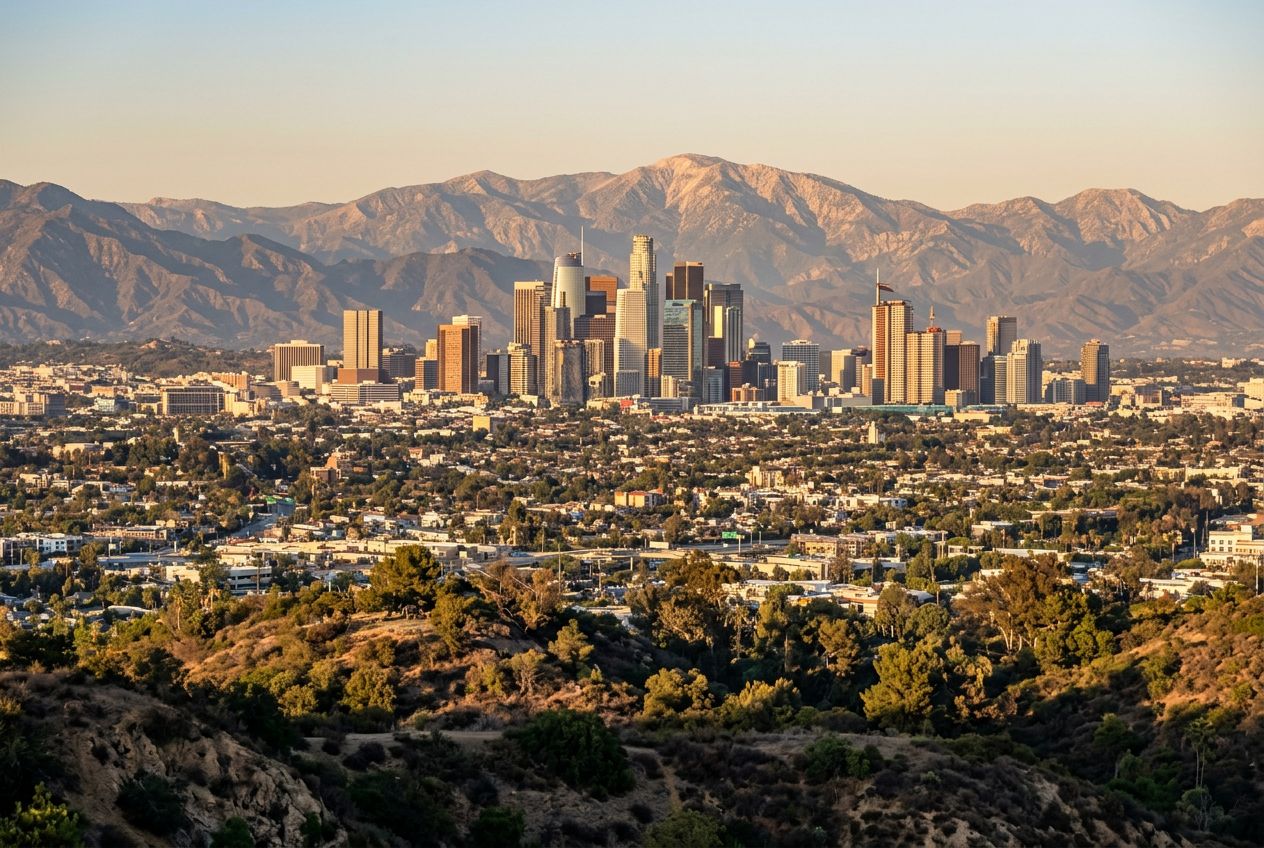
Los Angeles shows many sides, from the murals and galleries of the Arts District to the Victorian Bradbury Building and the historic downtown core. The revitalized Los Angeles River Greenway offers car-free paths for runs and rides through urban nature. Between the art, old theatres and Walt Disney Concert Hall, the city rewards slow exploration on foot.
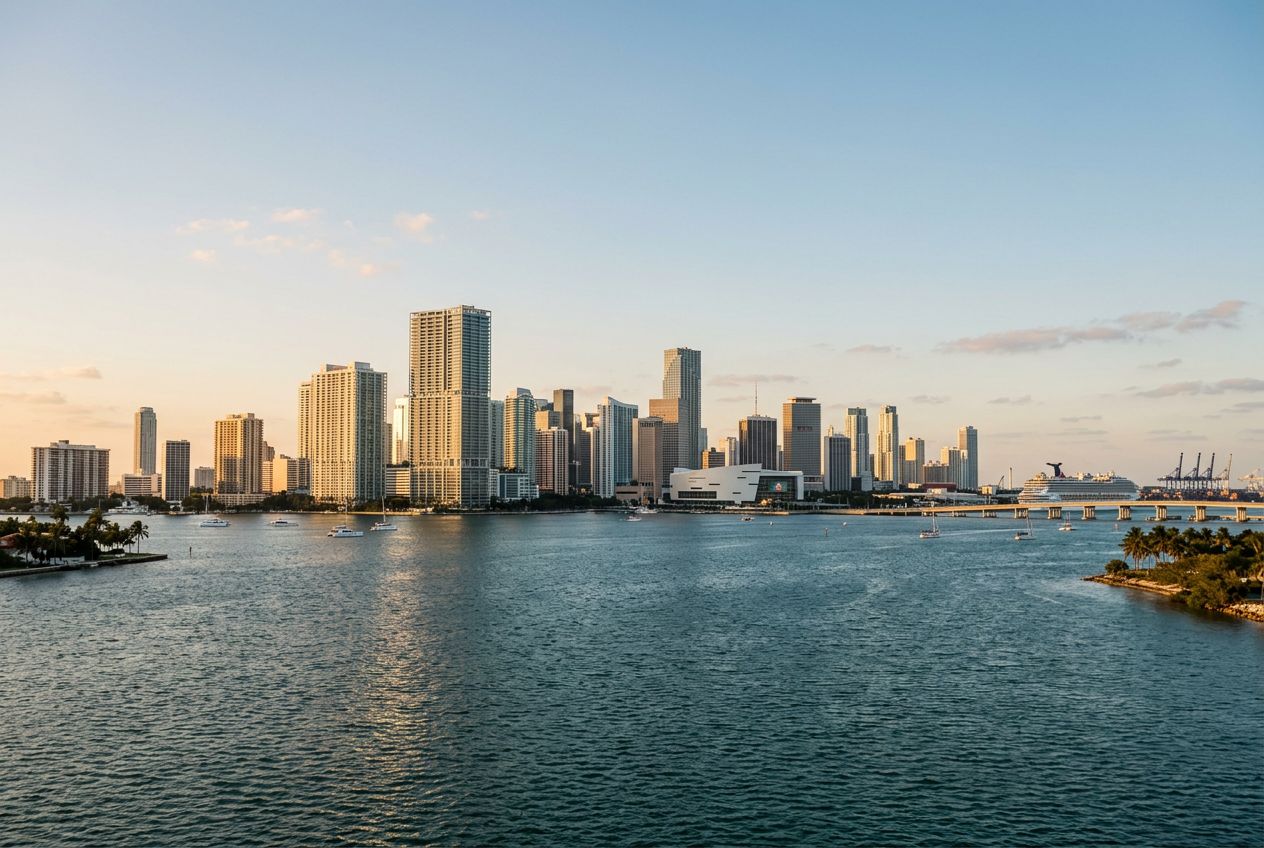
Miami's character is set by its bayfront parks, Art Deco streets and bright Wynwood murals. Biscayne Bay and the downtown skyline frame car-free waterfront paths, while Ocean Drive and Española Way show the pastel architecture of South Beach. Wynwood's alleys, galleries and lively bars reward a slow walk after dark.
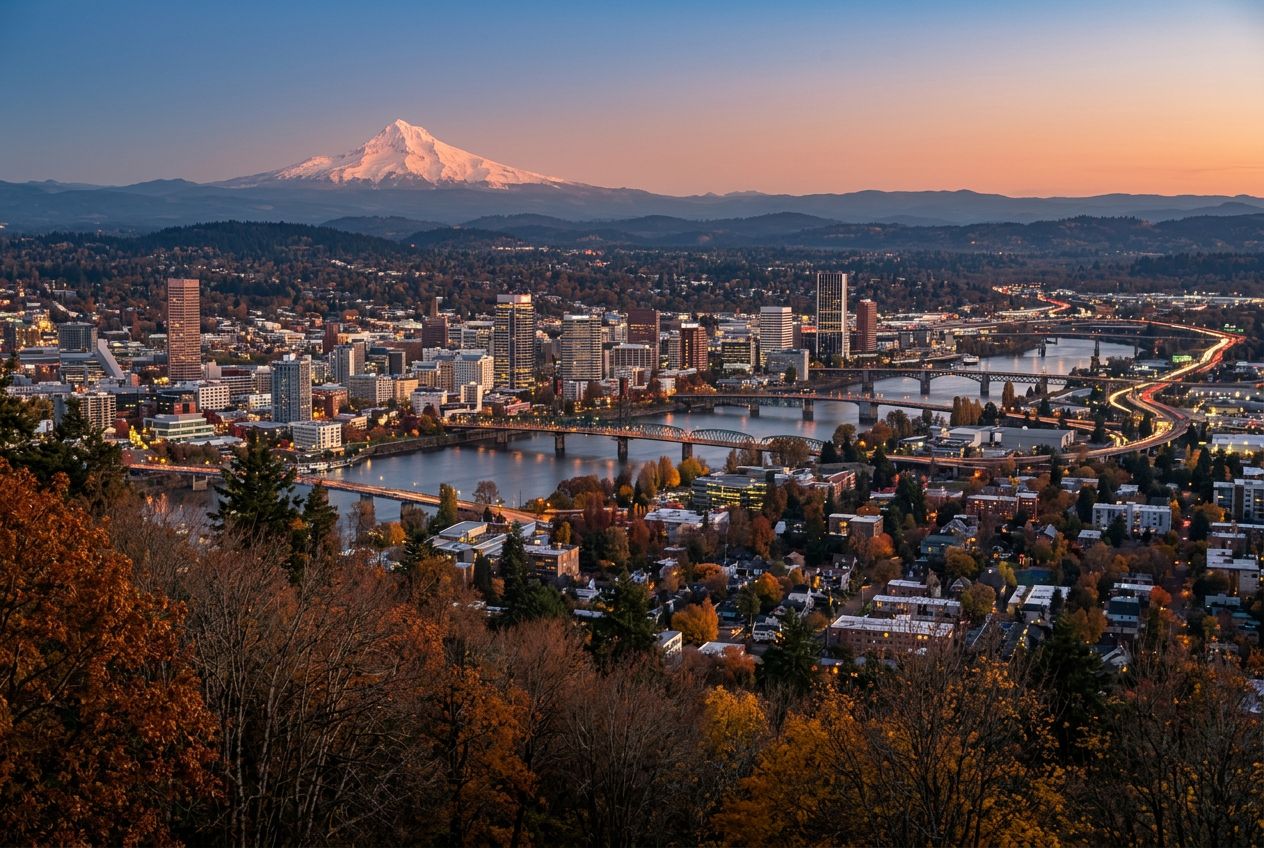
Portland is organised around the Willamette River, with bridges, parks and waterfront paths linking its neighbourhoods. Tilikum Crossing, a car-free bridge, and the Vera Katz Eastbank Esplanade give clear views of the skyline. Quirky landmarks such as Mill Ends Park and Powell's City of Books add a playful side, and the city is well suited to walking, cycling or running.
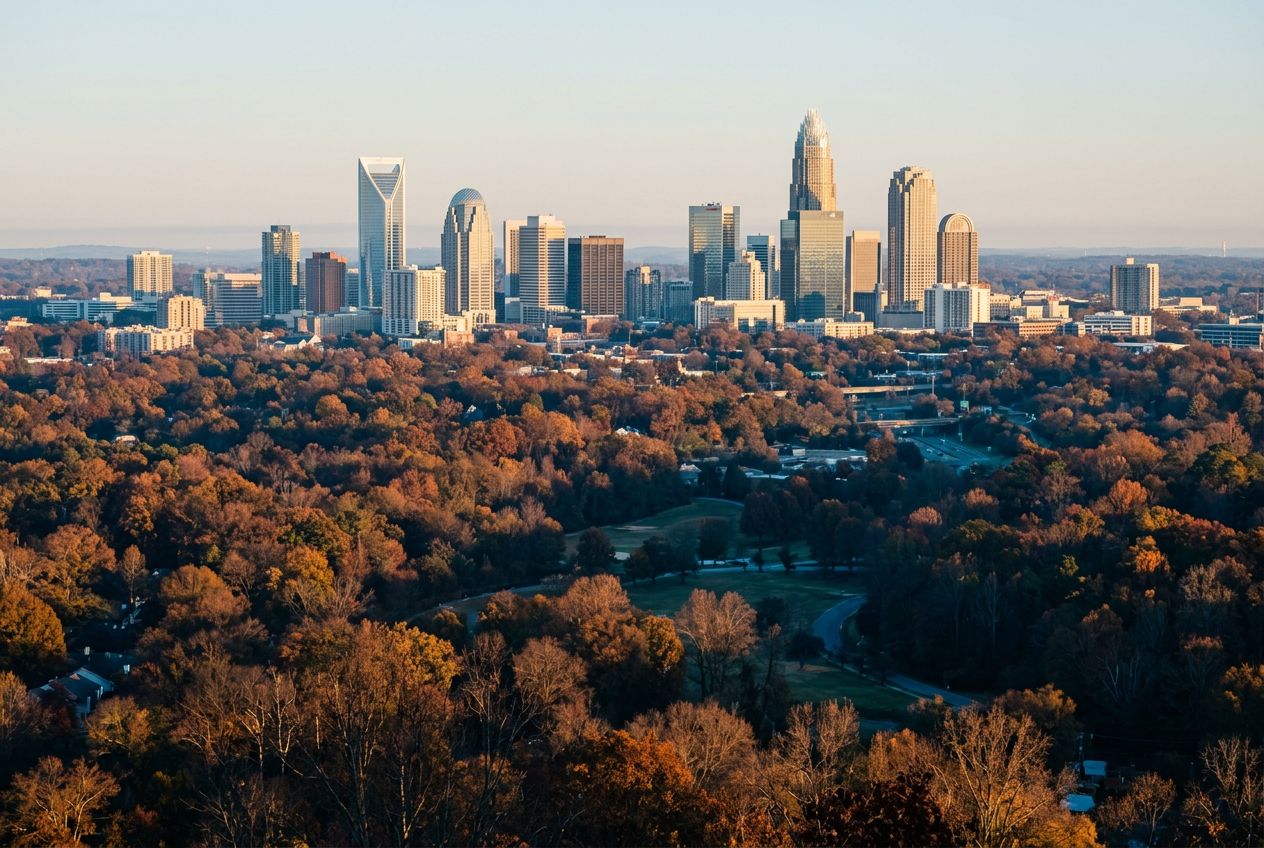
Charlotte's character is shaped by its green spaces, which sit close to downtown skyline views. Freedom Park, Little Sugar Creek Greenway and Midtown Park offer wide car-free paths for walking, running and cycling. Historic neighborhoods such as Fourth Ward and Myers Park add Victorian homes and tree-lined avenues to the mix.
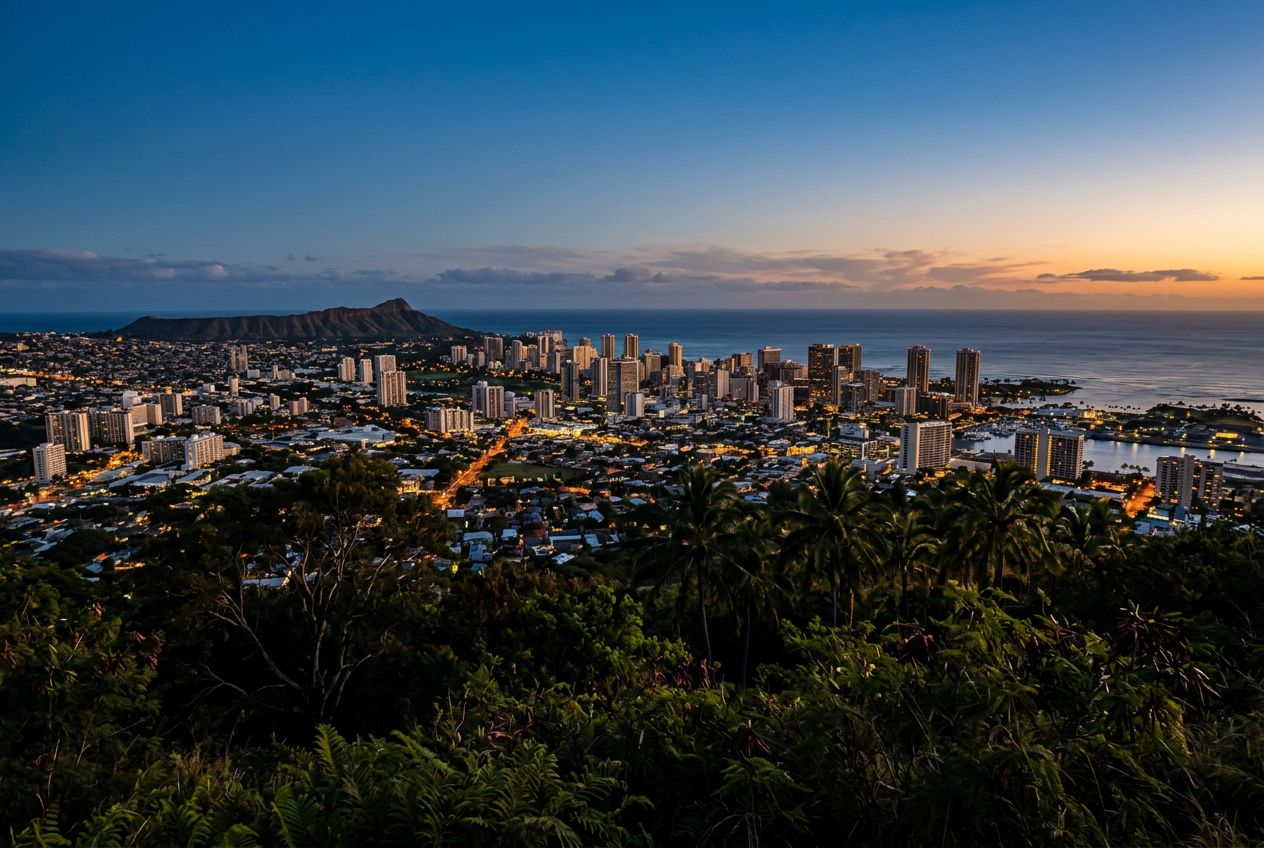
Honolulu's shoreline is shaped by long beaches, leafy parks and views of Diamond Head, with Waikiki Beach, Kapiolani Park and the Duke Kahanamoku Statue among its best-known places. Runners and walkers can follow the traffic-free Waikiki Beach Path and the quieter Ala Wai Canal Path, while cyclists can ride past Magic Island and the lagoon at Kahanamoku Beach.
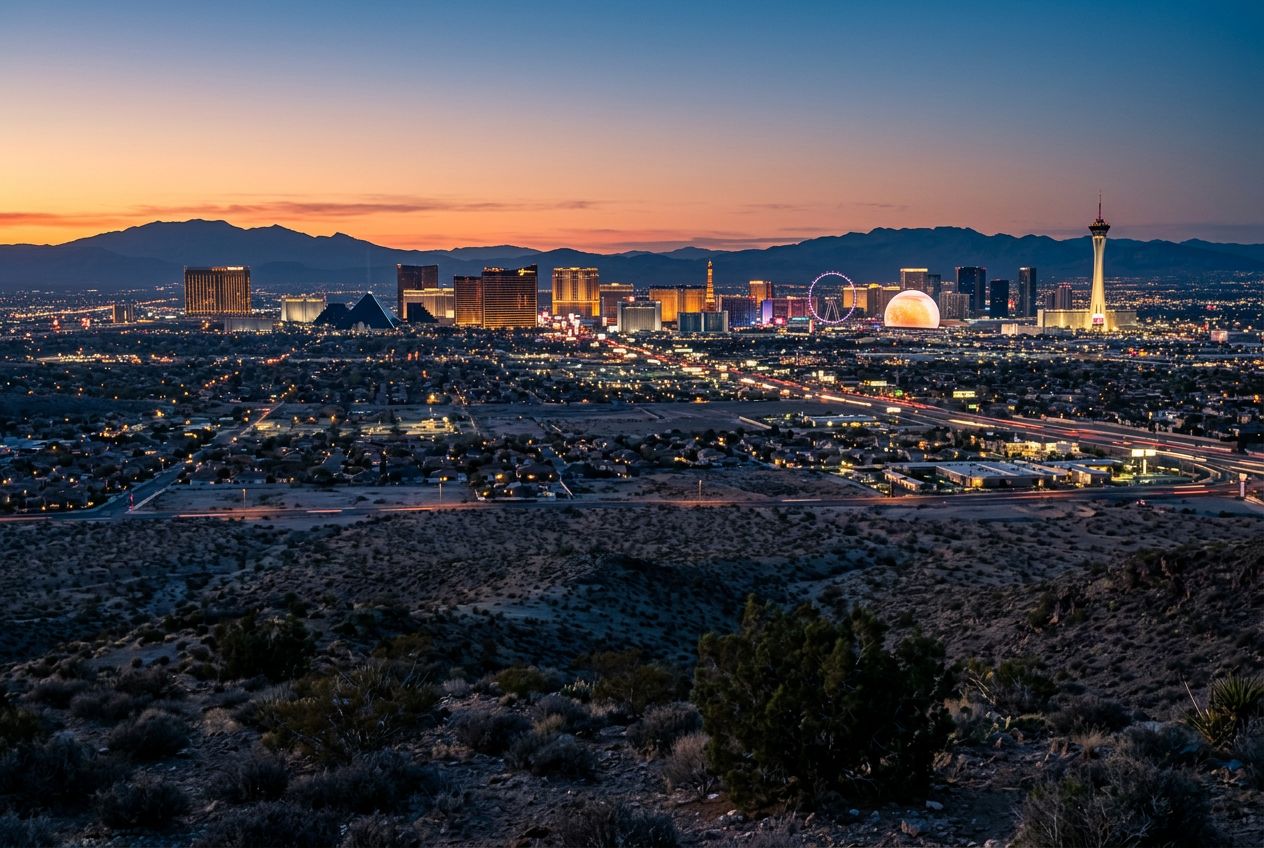
Las Vegas offers two sides, from the Strip's fountains, Bellagio Conservatory and Mirage Volcano to the murals and galleries of the Arts District downtown. Walkers can wander Art Square and Colorado Street's ever-changing murals, while runners can pass Symphony Park and The Smith Center, and cyclists can take the paths of Clark County Wetlands Park.
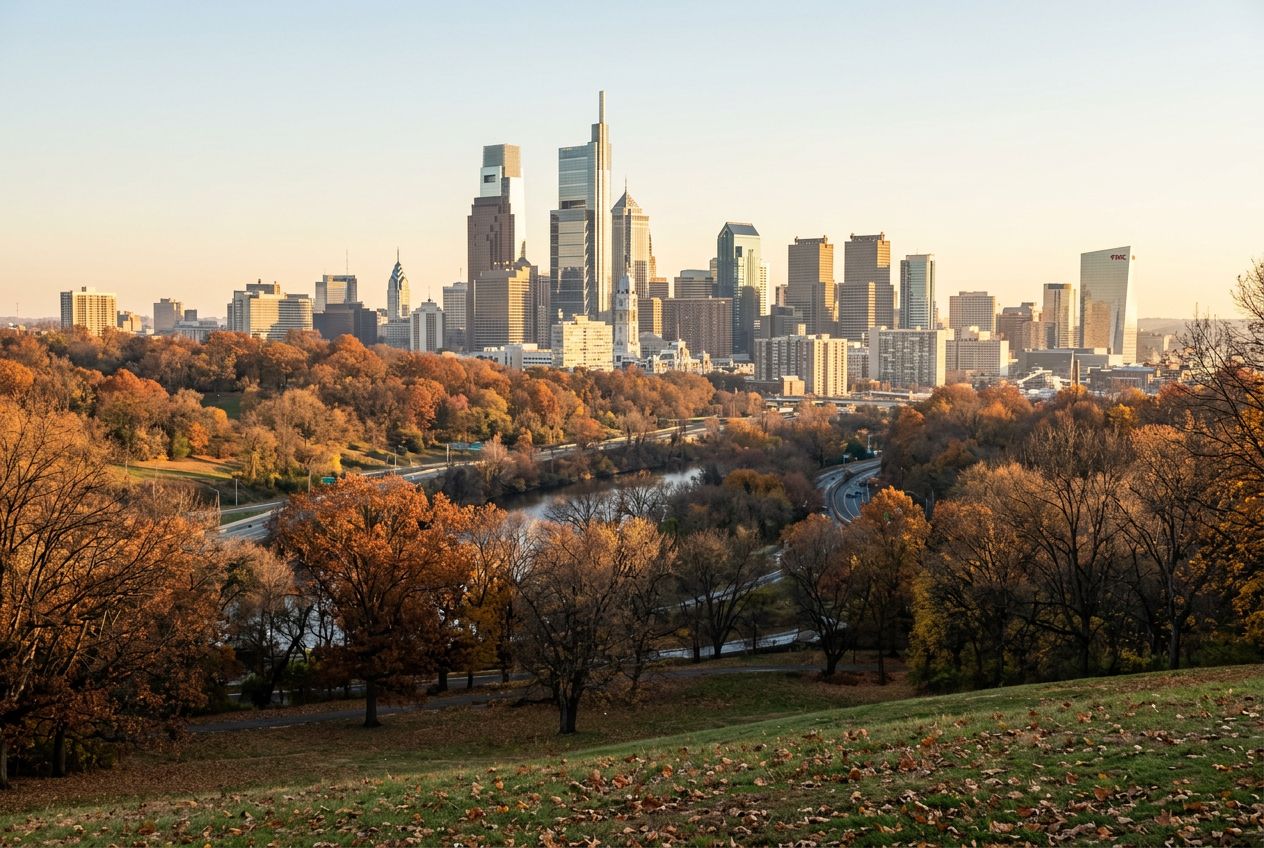
Philadelphia's story runs through its colonial squares, historic alleys and river. Elfreth's Alley, Head House Square and Washington Square offer calm glimpses of the 18th century, while murals brighten hidden lanes. Along the Schuylkill, Boathouse Row and Kelly Drive make a flat route for walking, running or cycling.
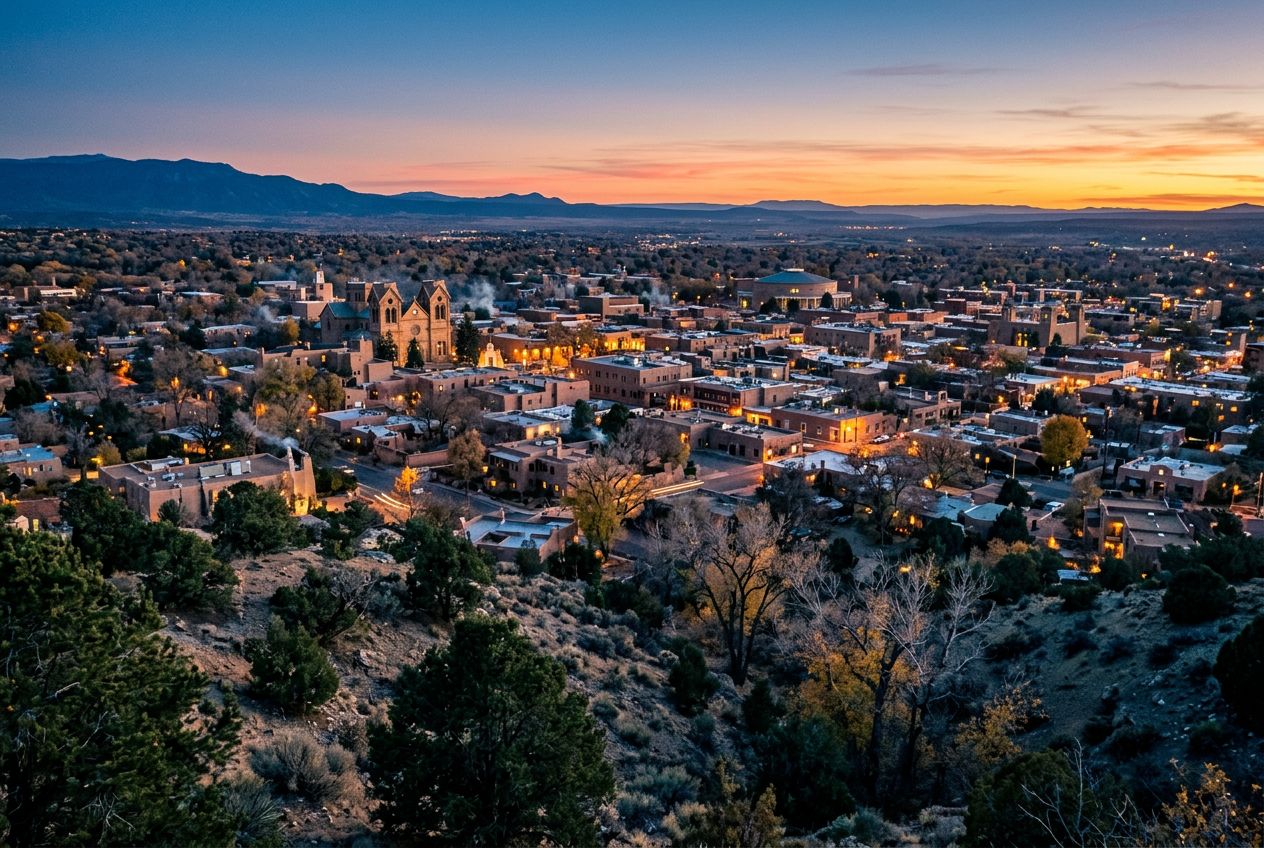
Santa Fe is known for adobe architecture, galleries along Canyon Road and the historic Plaza. Its old sites include the Palace of the Governors, the Cathedral Basilica and Loretto Chapel, while quiet alleys and courtyards reveal more art. The walk through the centre is short and easy on foot, with the Acequia Madre offering a calm path.
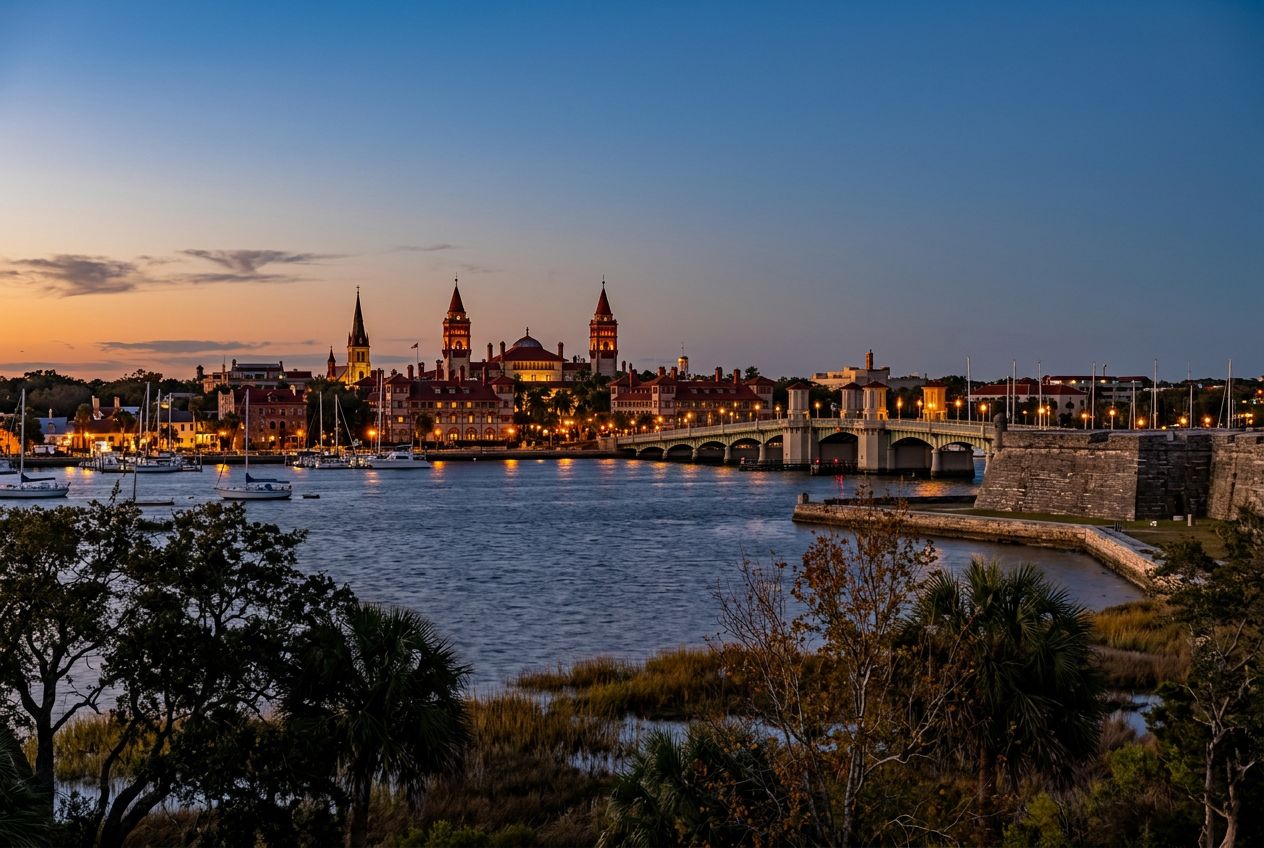
St. Augustine is a historic coastal city with the 17th-century Castillo de San Marcos overlooking Matanzas Bay. Its waterfront has the Bridge of Lions, a marina and the pedestrian lanes of the old town, including Aviles Street, described as America's oldest street. Wide waterside paths make it easy to run or cycle, with bay views at every turn.
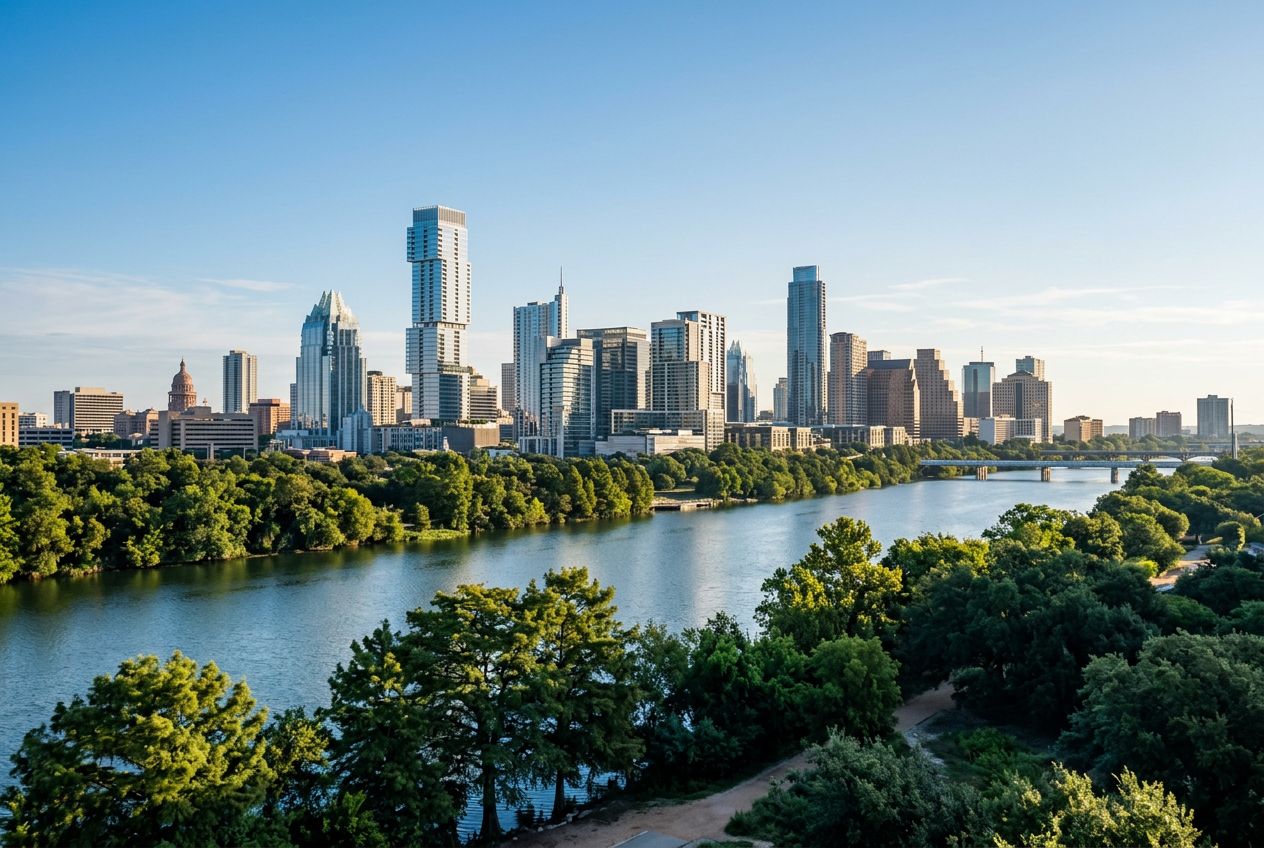
Austin is shaped by Lady Bird Lake, its skyline views and a lively East Side full of murals, sculptures and small galleries. Trails around the lake offer a ride or run with water views and a boardwalk section. Downtown parks and rooftop gardens make the city easy to explore on foot, with craft beer bars close by in the evening.
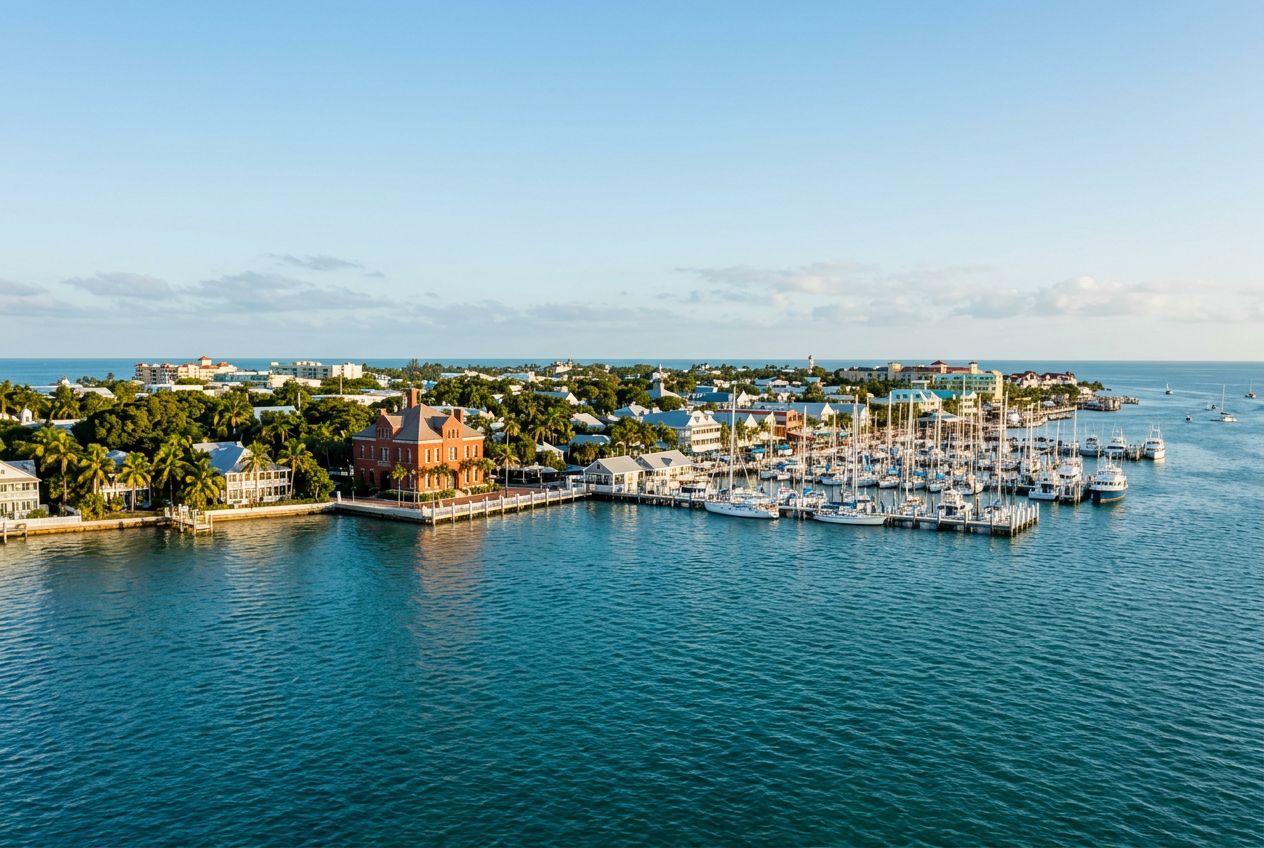
Key West's waterfronts and historic streets give a run its own pace, with Truman Waterfront Park, Fort Zachary Taylor and the Southernmost Point Buoy among the landmarks along the way. Around Bahama Village and Whitehead Street, colourful houses, small shops and the Hemingway Home add charm, and the White Street Pier offers panoramic ocean views for anyone on foot or by bike.
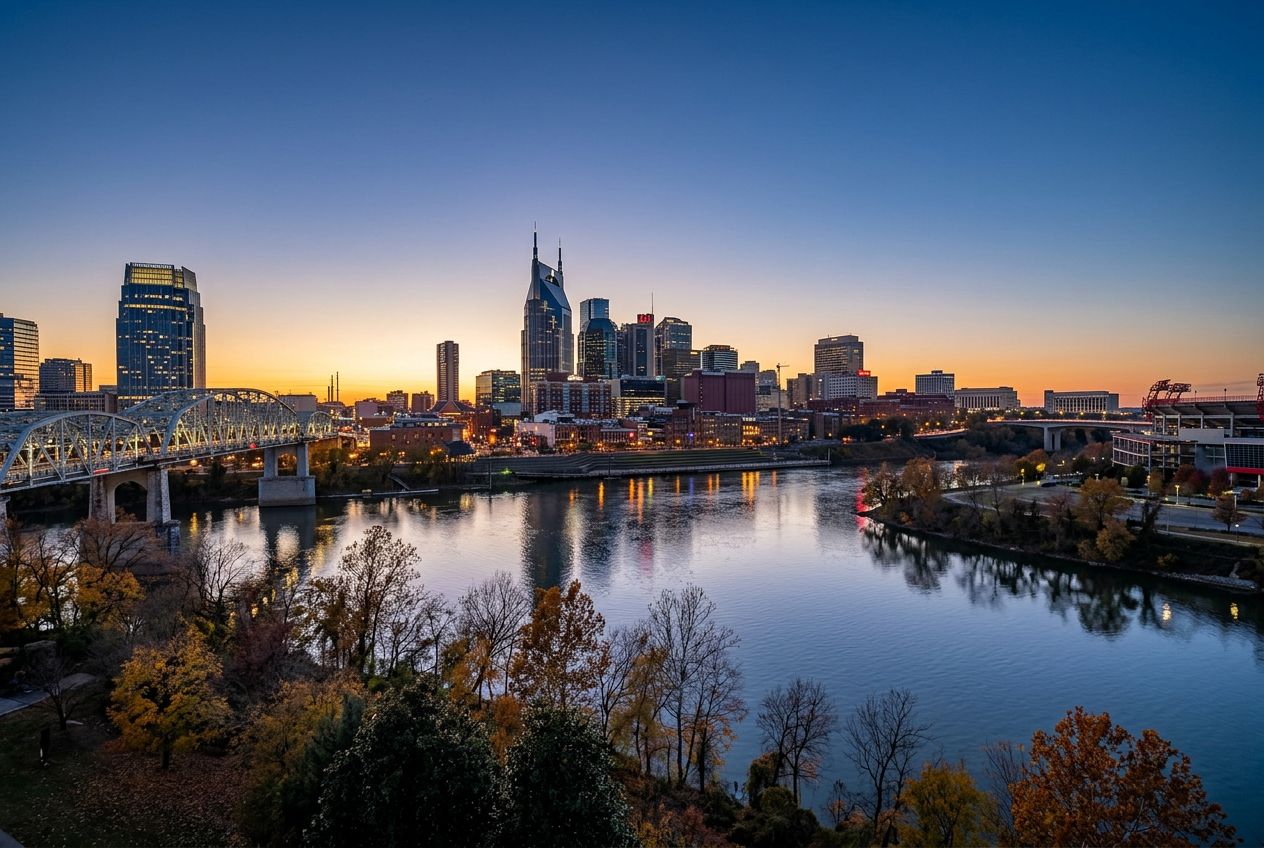
Nashville's riverside is shaped by the Cumberland River, where the John Seigenthaler Pedestrian Bridge gives sweeping skyline views. Greenways and the Bicentennial Capitol Mall State Park lead toward the State Capitol, while Printers Alley and the Ryman Auditorium bring the city's music history into focus. Fort Nashborough recalls the city's first settlement, and the paths suit a relaxed bike ride or a walk.
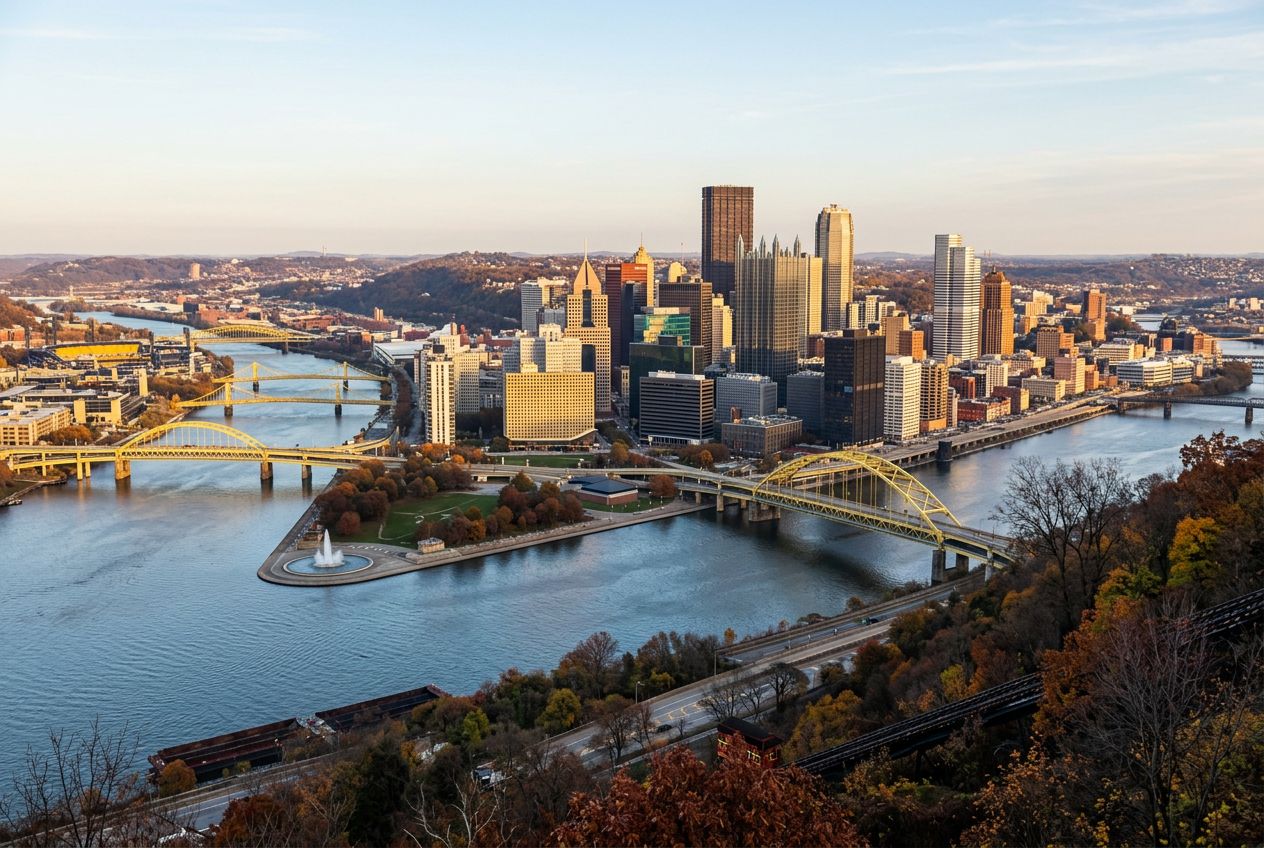
Pittsburgh sits where the Allegheny and Monongahela rivers meet, and its bridges, stadiums and downtown skyline shape many routes. Point State Park marks the confluence, and wide riverfront trails run along both banks. Hills, old taverns and speakeasies add character, and the city is easy to explore on foot, by bike or on a run.
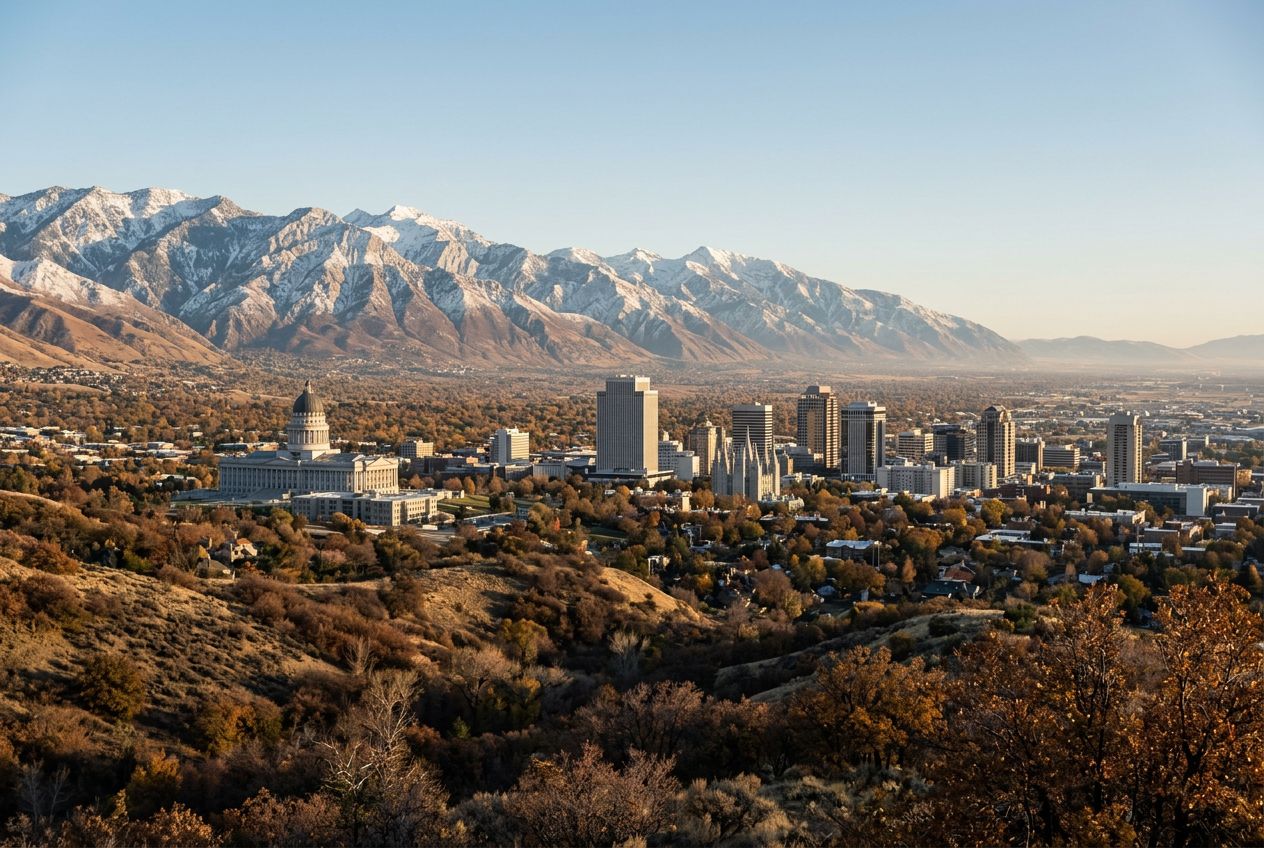
Salt Lake City lies between green canyons and the Wasatch Mountains, with City Creek running through its parks and downtown. Its historic core holds Temple Square, the Utah State Capitol and the pioneer-era Beehive House and Lion House. Car-free paths along City Creek and the Jordan River make the city pleasant to walk, run or cycle.
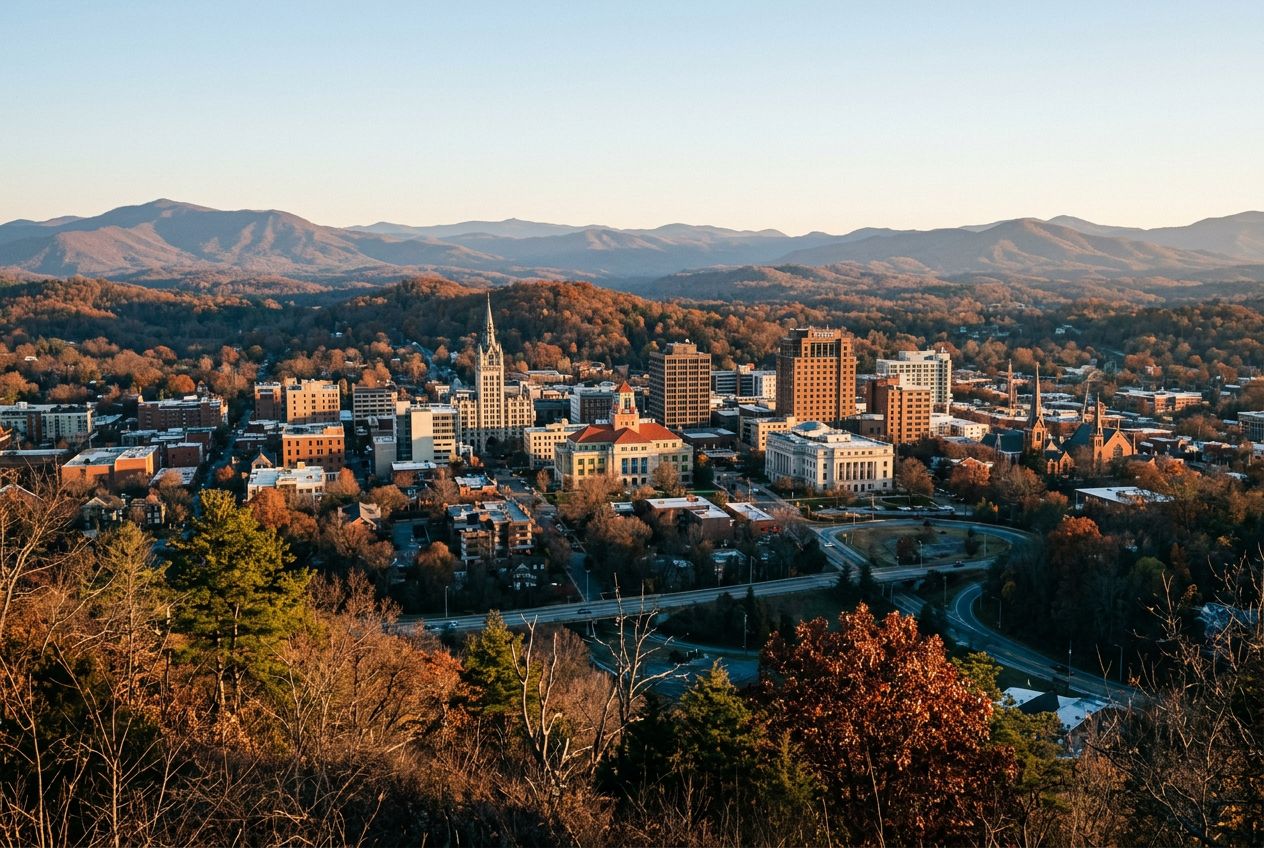
Asheville's character comes from the French Broad River, its greenways and the creative River Arts District. Long paths follow the water through parks like Carrier Park and along quieter stretches such as Hominy Creek. Walkers, runners and cyclists can all find a calm route here, with murals and studios along the way.
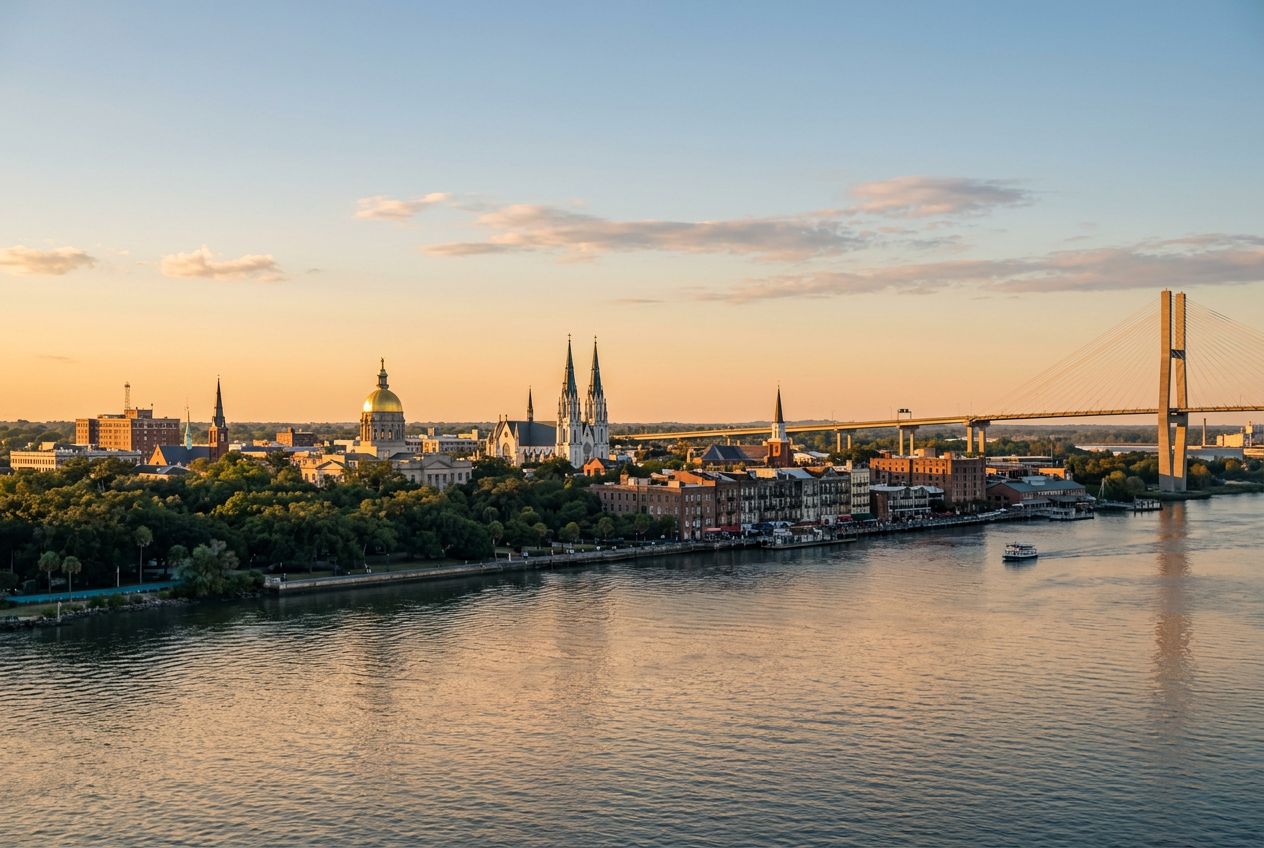
Savannah's streets are shaped by its historic squares, with Forsyth Park and its fountain at the heart of the city. The Savannah River shapes the waterfront, where River Street, Eastern Wharf and the Riverwalk offer views of passing ships. Its squares and car-free paths suit walking, running or cycling at an unhurried pace.
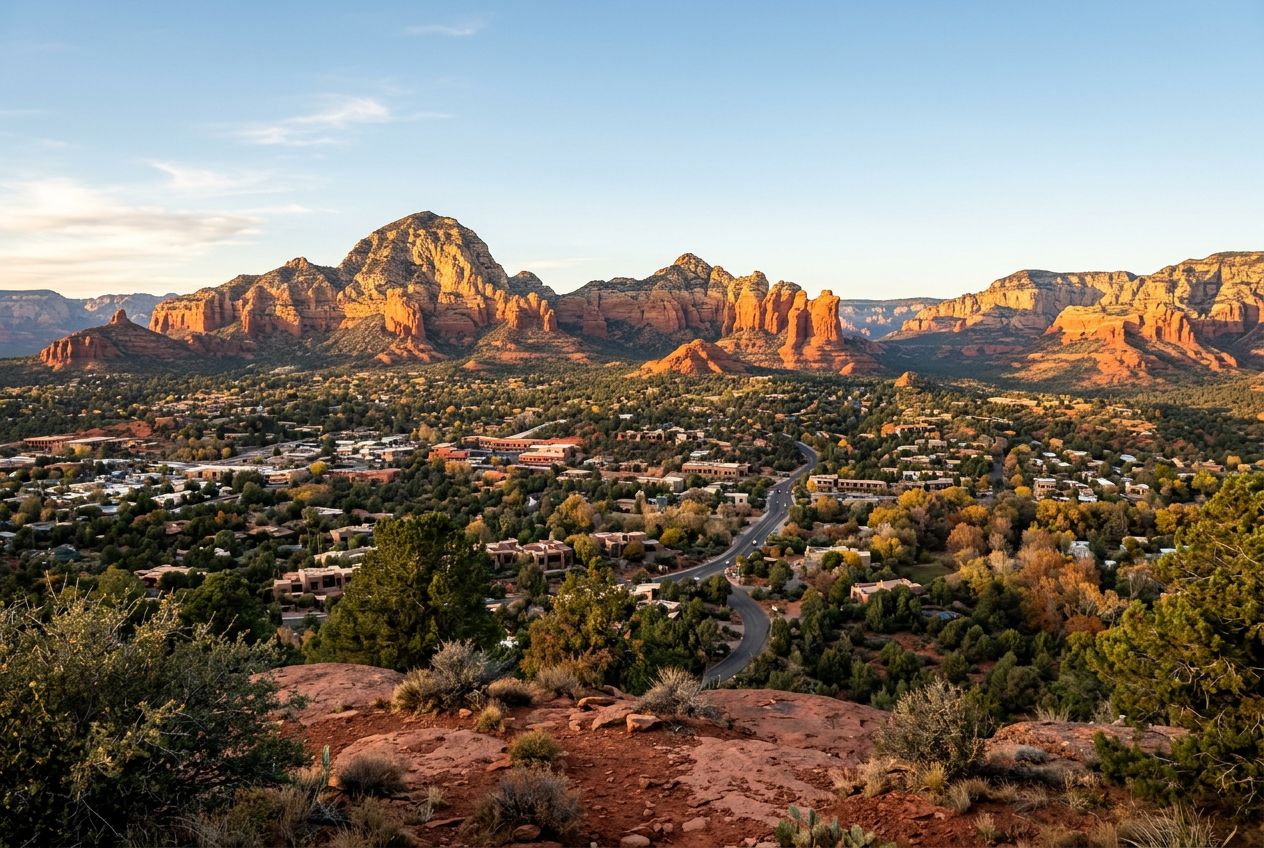
Sedona is a town of red rock formations, with Coffeepot Rock and Thunder Mountain rising above its neighborhoods and parks. Quiet residential roads and paths make it easy to explore by run or bike, with wide views opening up at almost every turn. The city noise tends to fade once you reach the open scenery beyond the streets.